

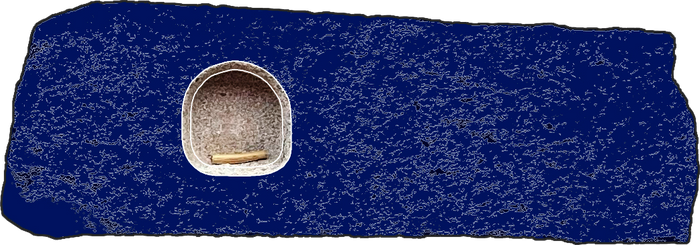
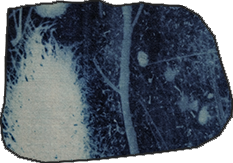
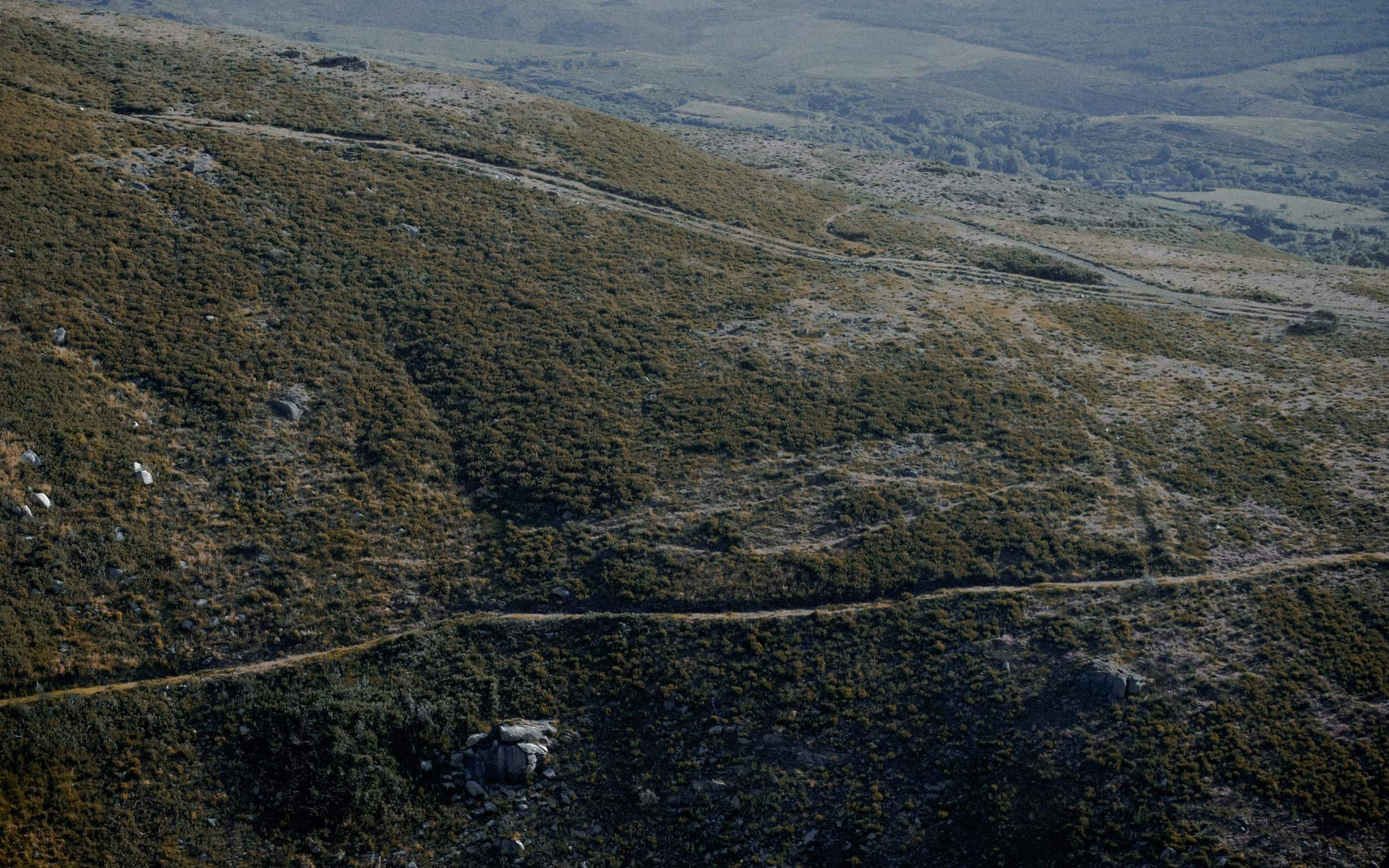
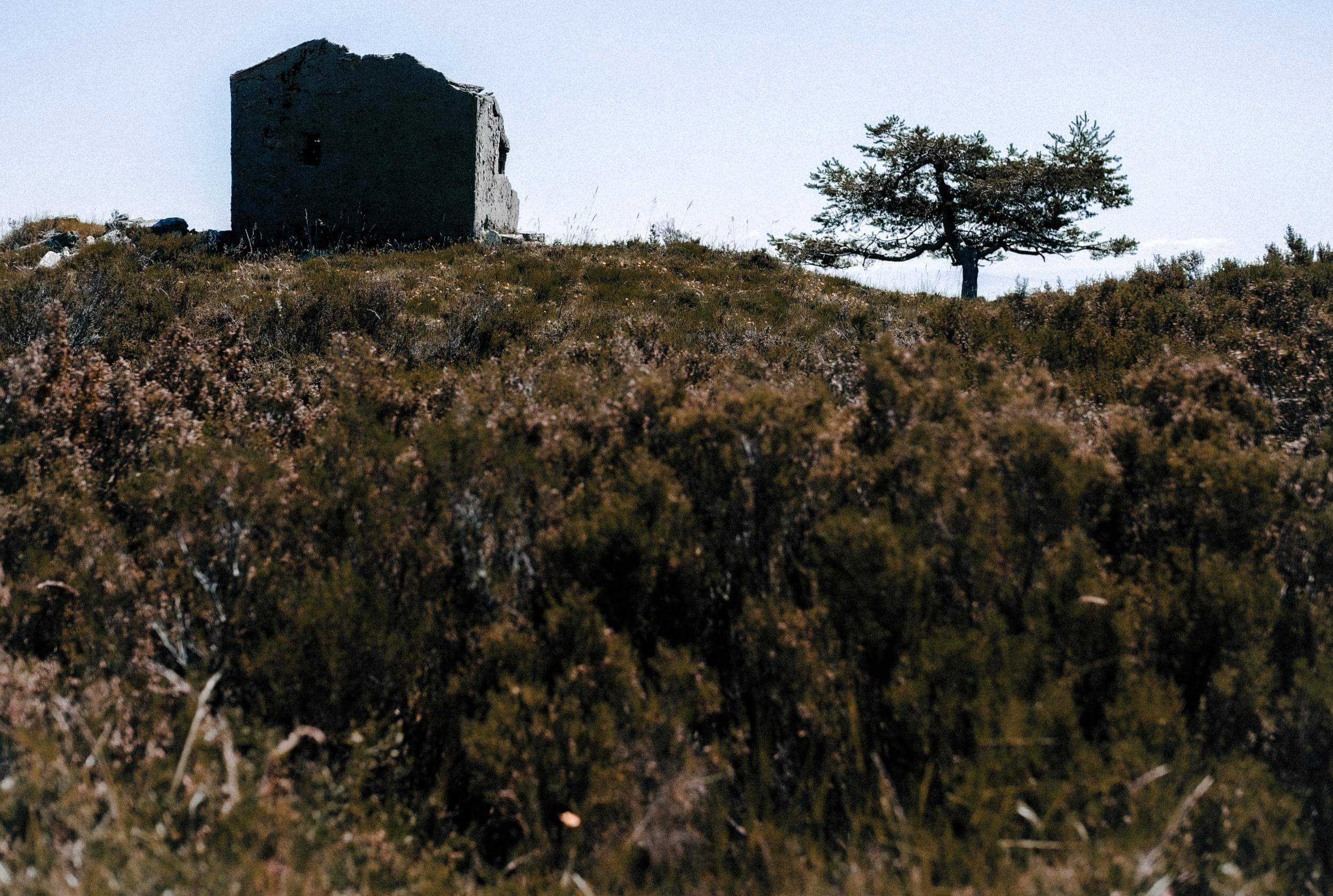
In Senderiz, Los Petos de Animás (i.e. pockets of the soul) merge with the stone walls, tracing our daily paths and routes. It follows the arrows of all who have passed here before, led by the urge to engage within the perennial landscape.
A peto is not just a compact we sew within our jackets to keep practically useful objects. This seemingly small patch close to our skin, this time, we prefer it to be filled with a photo, a stone, a word, a plant, an antenna, a mural. We expand and stretch the shape of our notions within each pocket piece, as a segment of the village of Senderiz.
We lend bits of our inward worlds and combine them with the natives' microcosm, walking by their houses, benches and fountains, with the attempt to map what all of us had seen and felt, leaving our impermanent footprints on their solid ground.
about
- We will depart with a few new wrinkles on our faces, but the spirit of Senderiz remains intact. Nature's cycle continues to persist in the half-time of a football match, capturing the essence of the pale intermediate space, a silent human state. Ideally, the sun and the clouds will make a pact to keep the sky steady and clear, until we dare to hear the hushed tone of Galician locals who embrace each smile and tear with their fellow animals, rocks and rivers. -

Walking Senderiz
Rosita Uricchio
Everyday walking in Senderiz where plants, stones water and little creaturesshare the same place as us. A diary of all small things we forget in our busy lives.
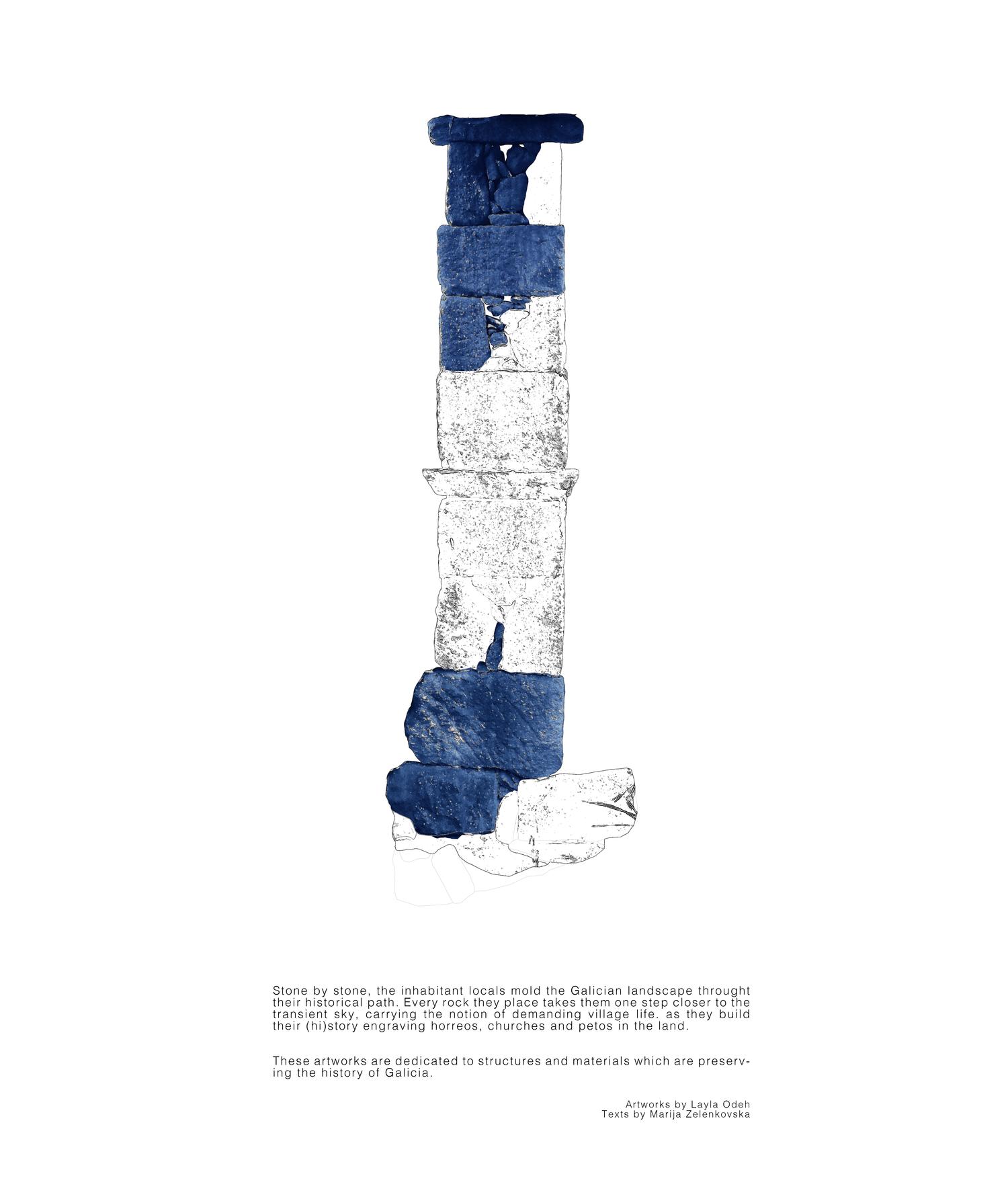
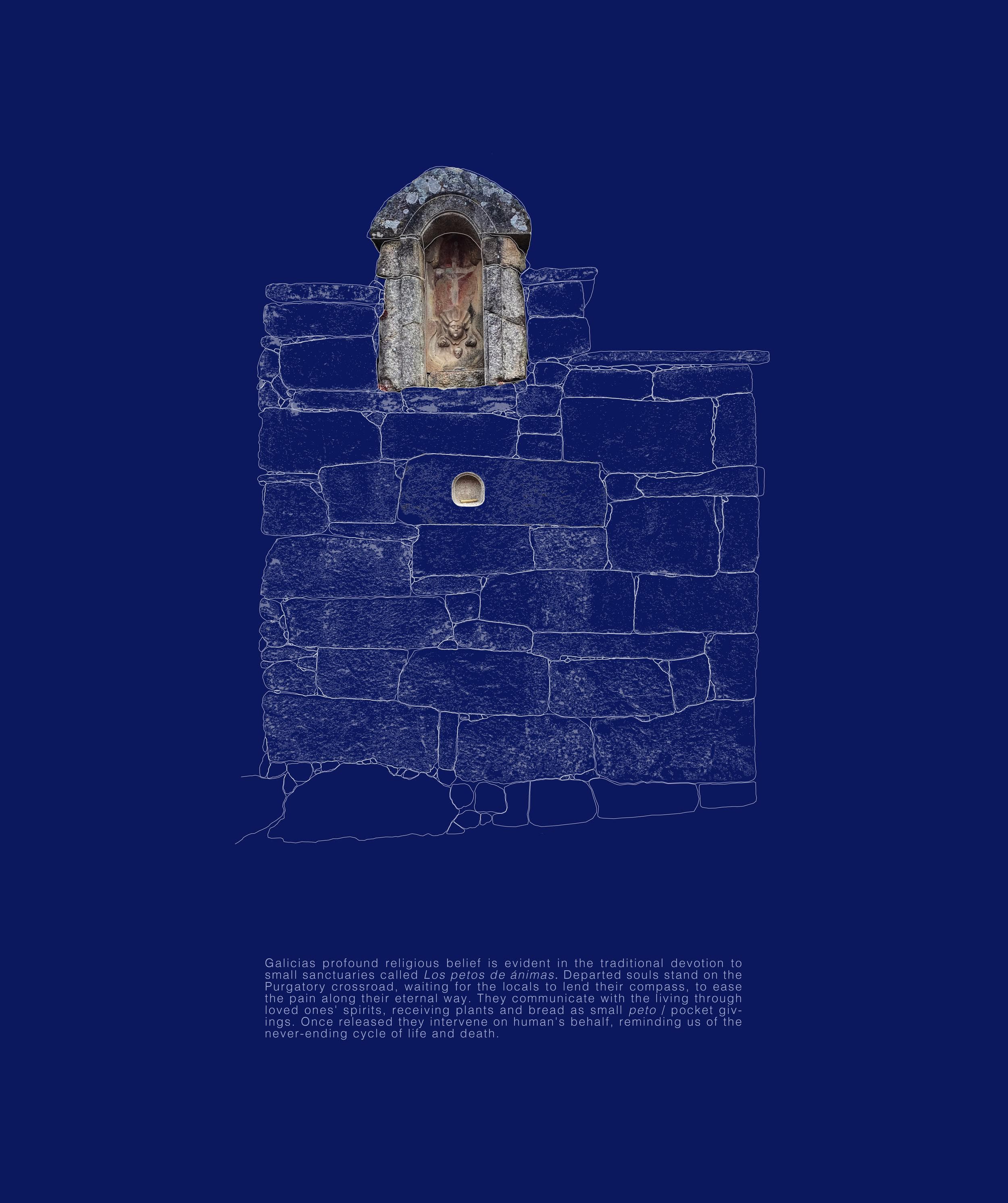
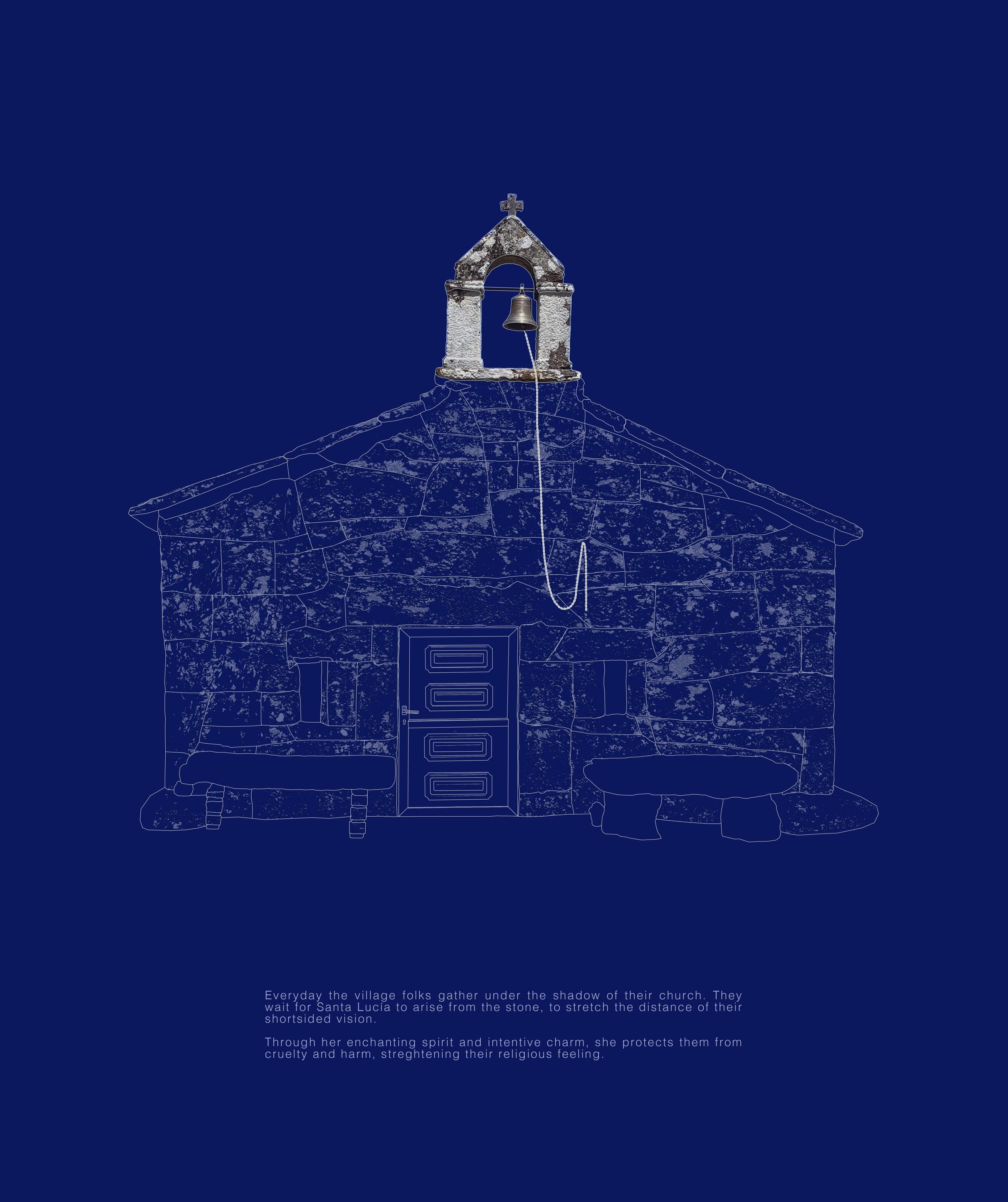
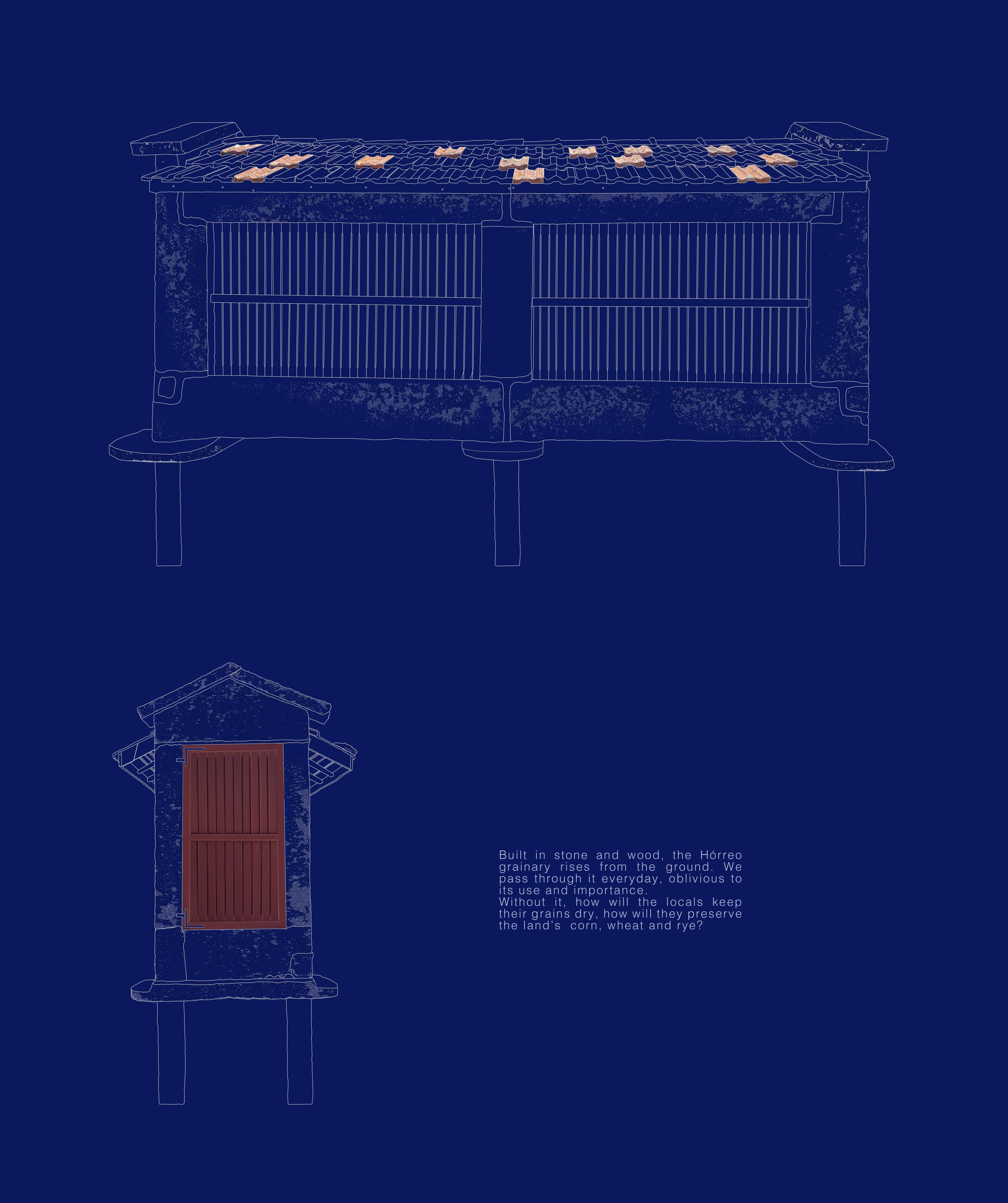
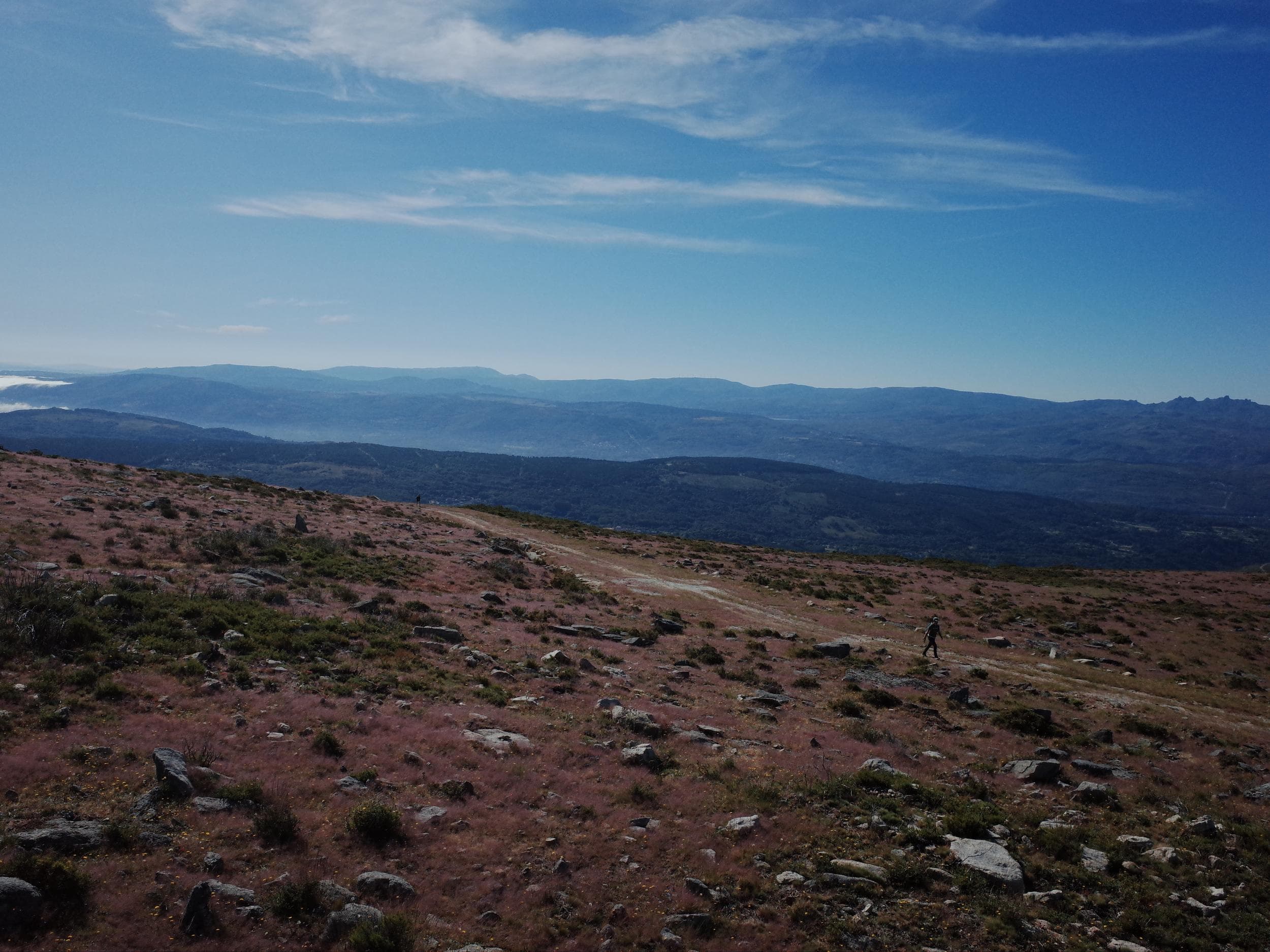
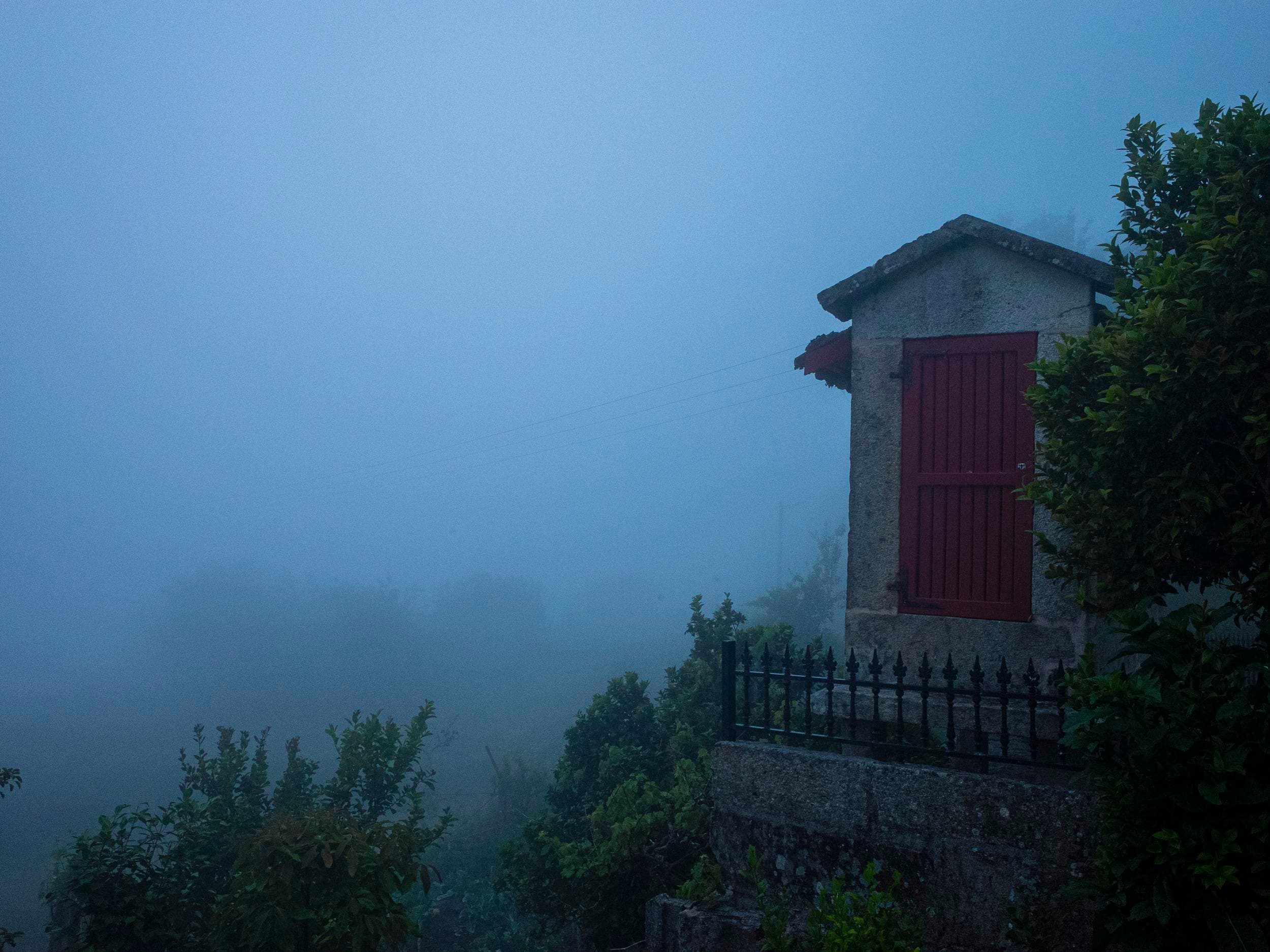
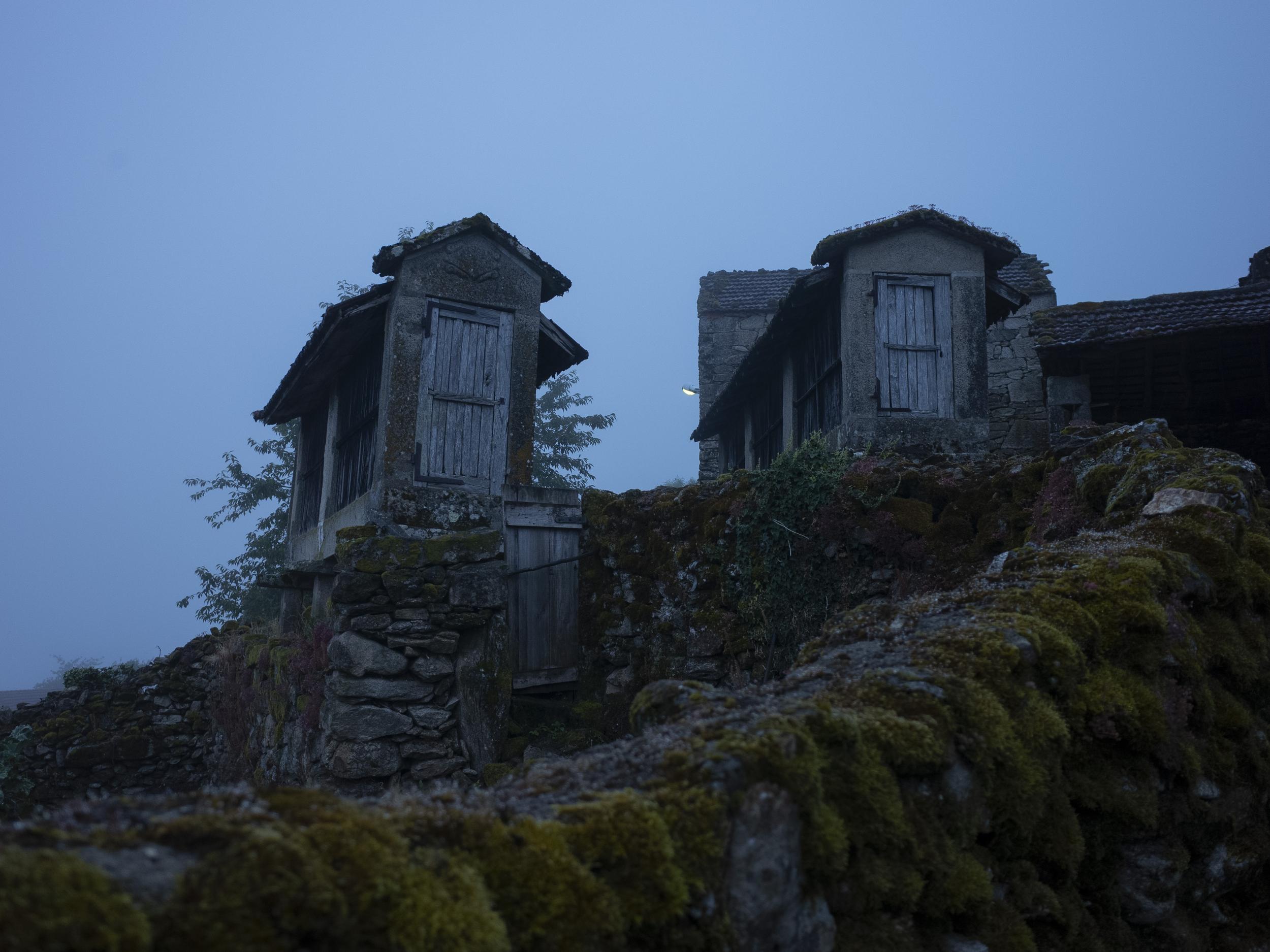
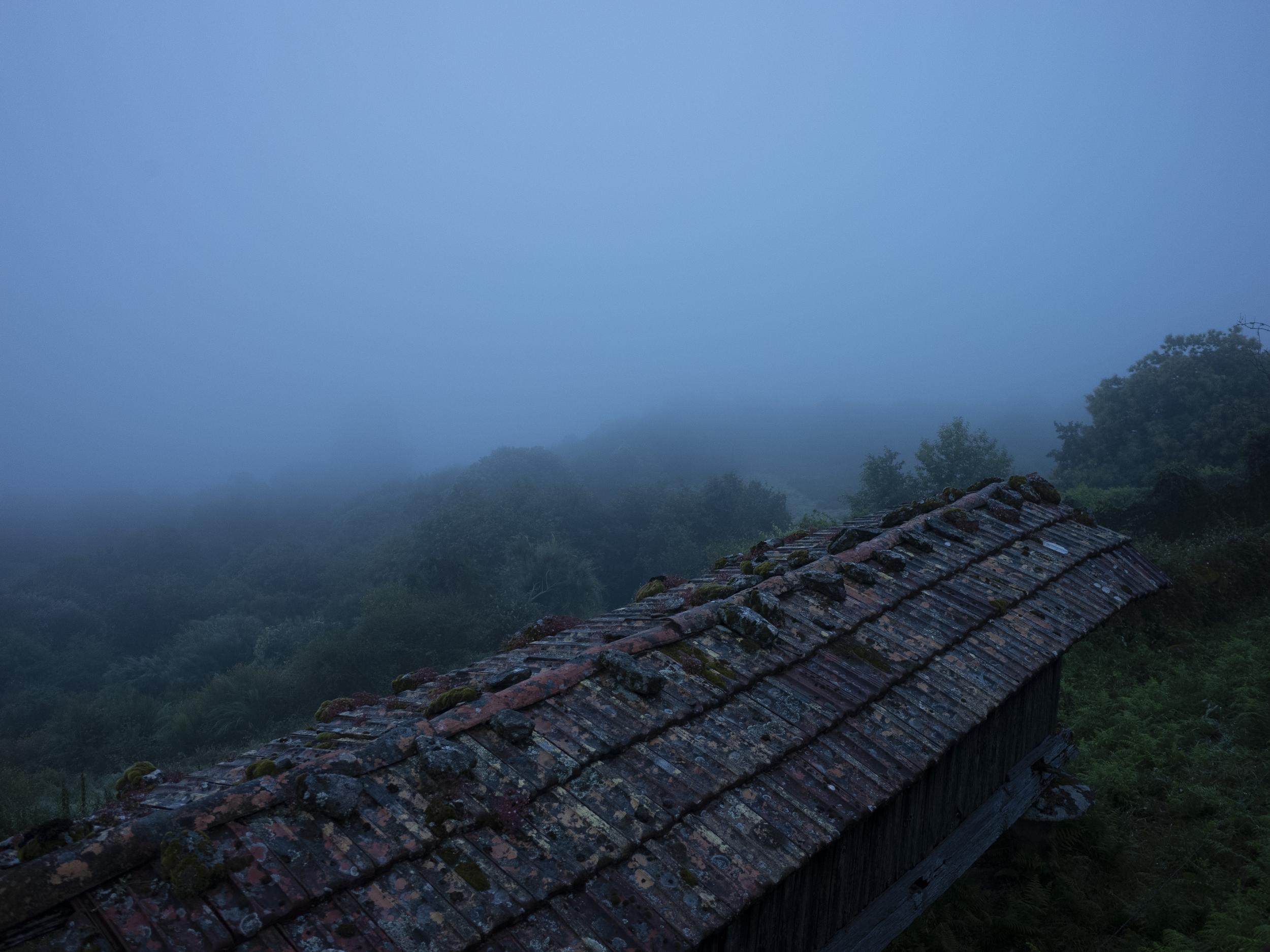
These artworks are dedicated to structures and materials which are preserving the history of Galicia
Artwork & Photos by Layla Odeh
Text by Marija Zelenkovska
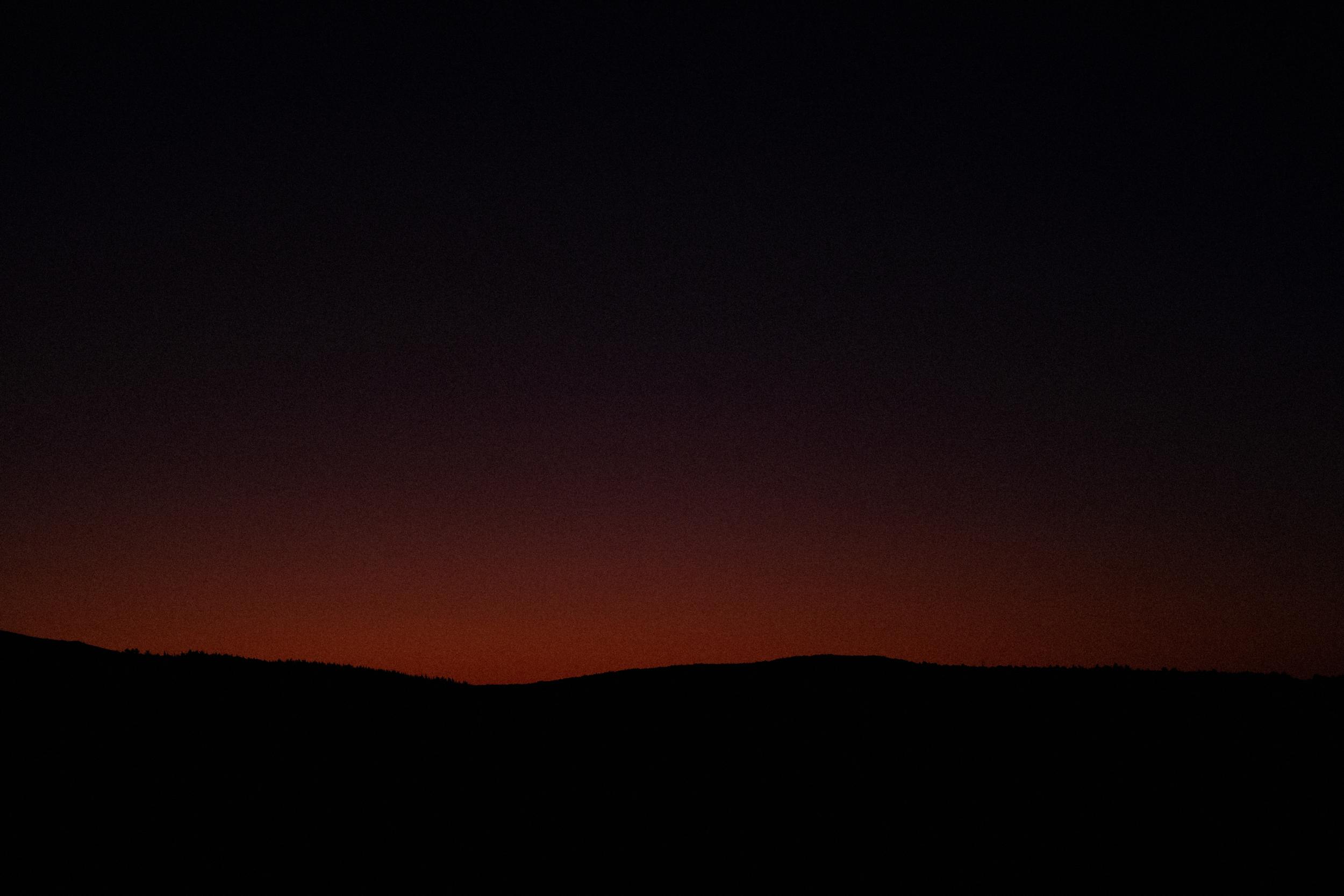
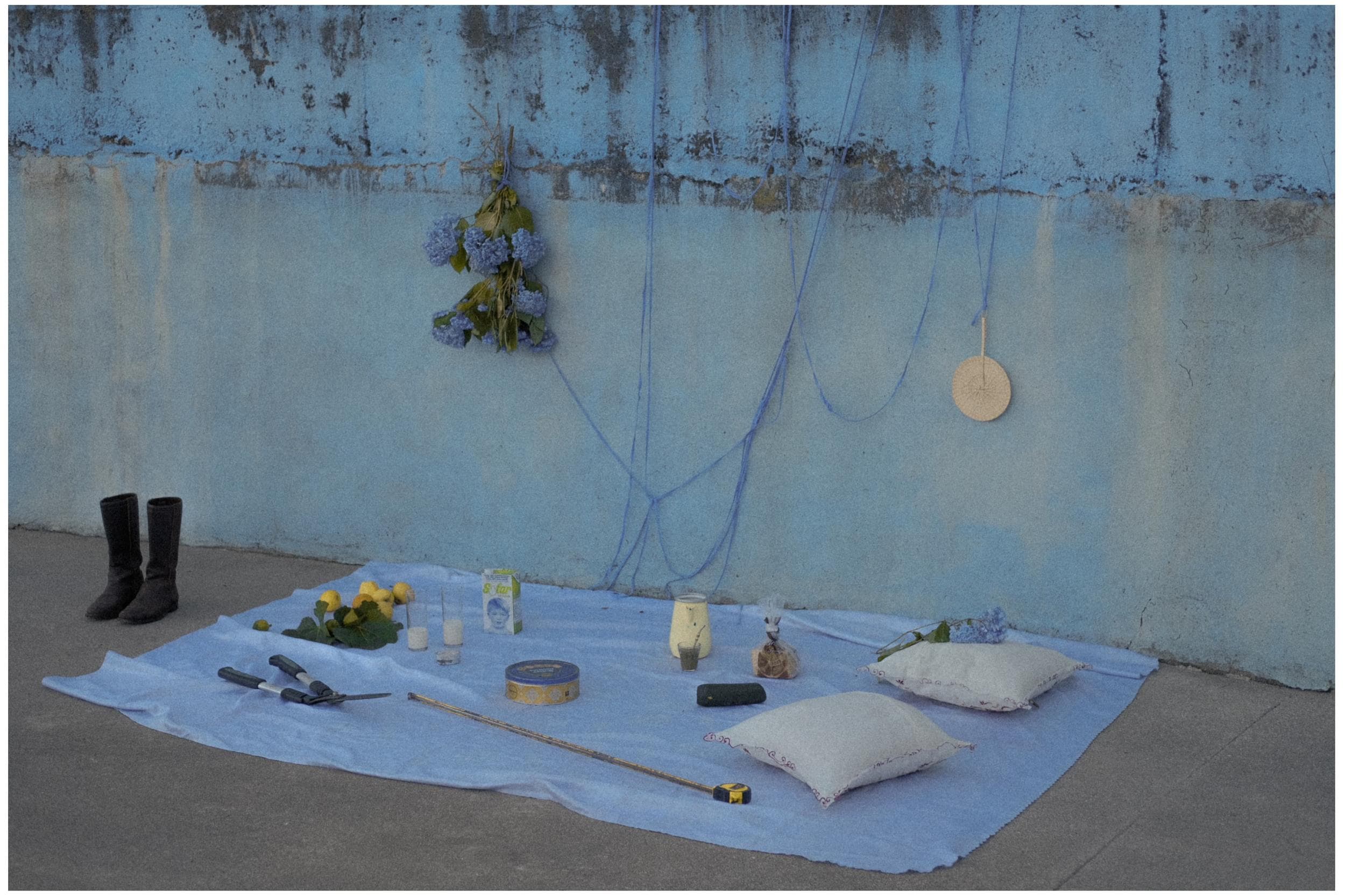
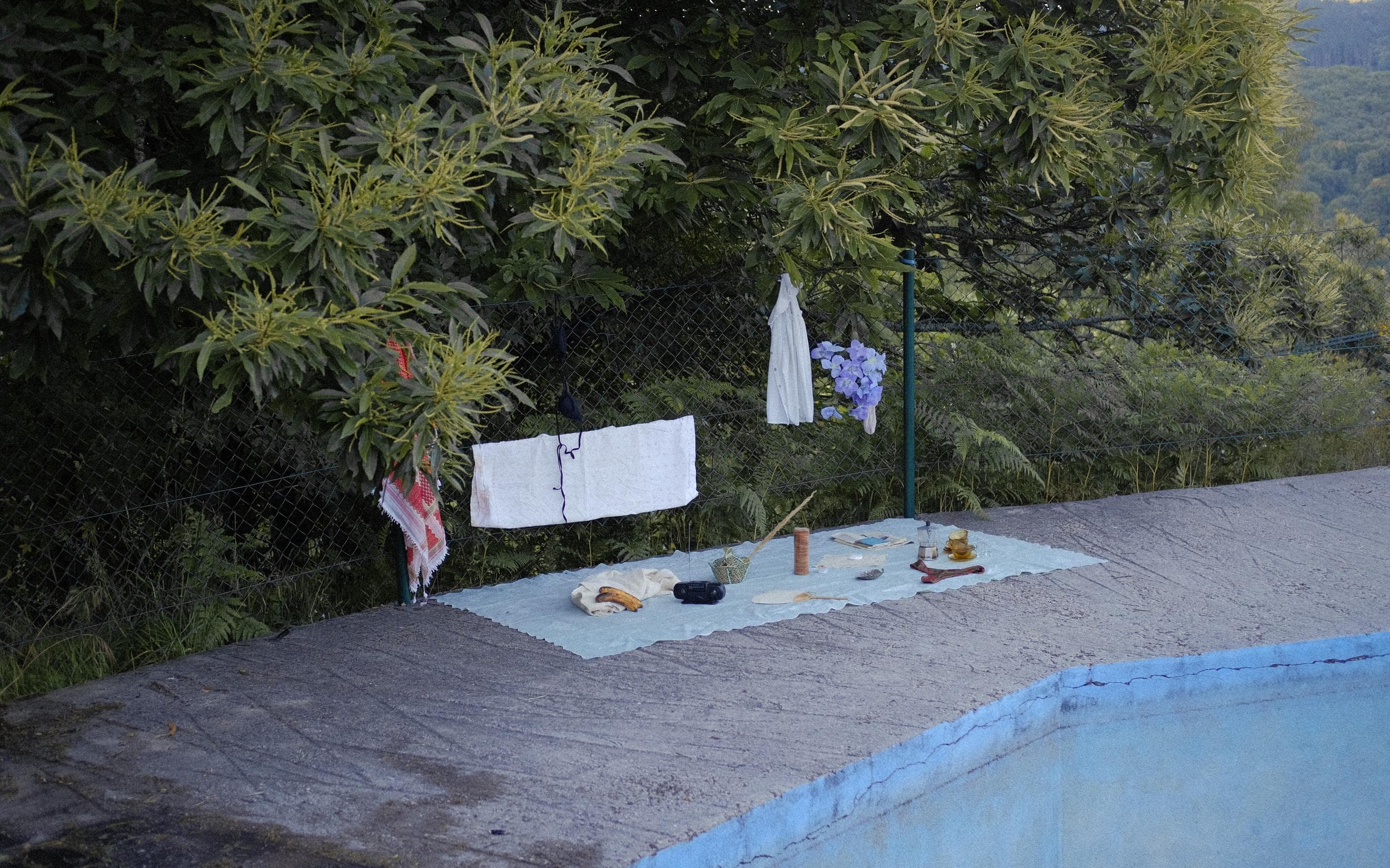
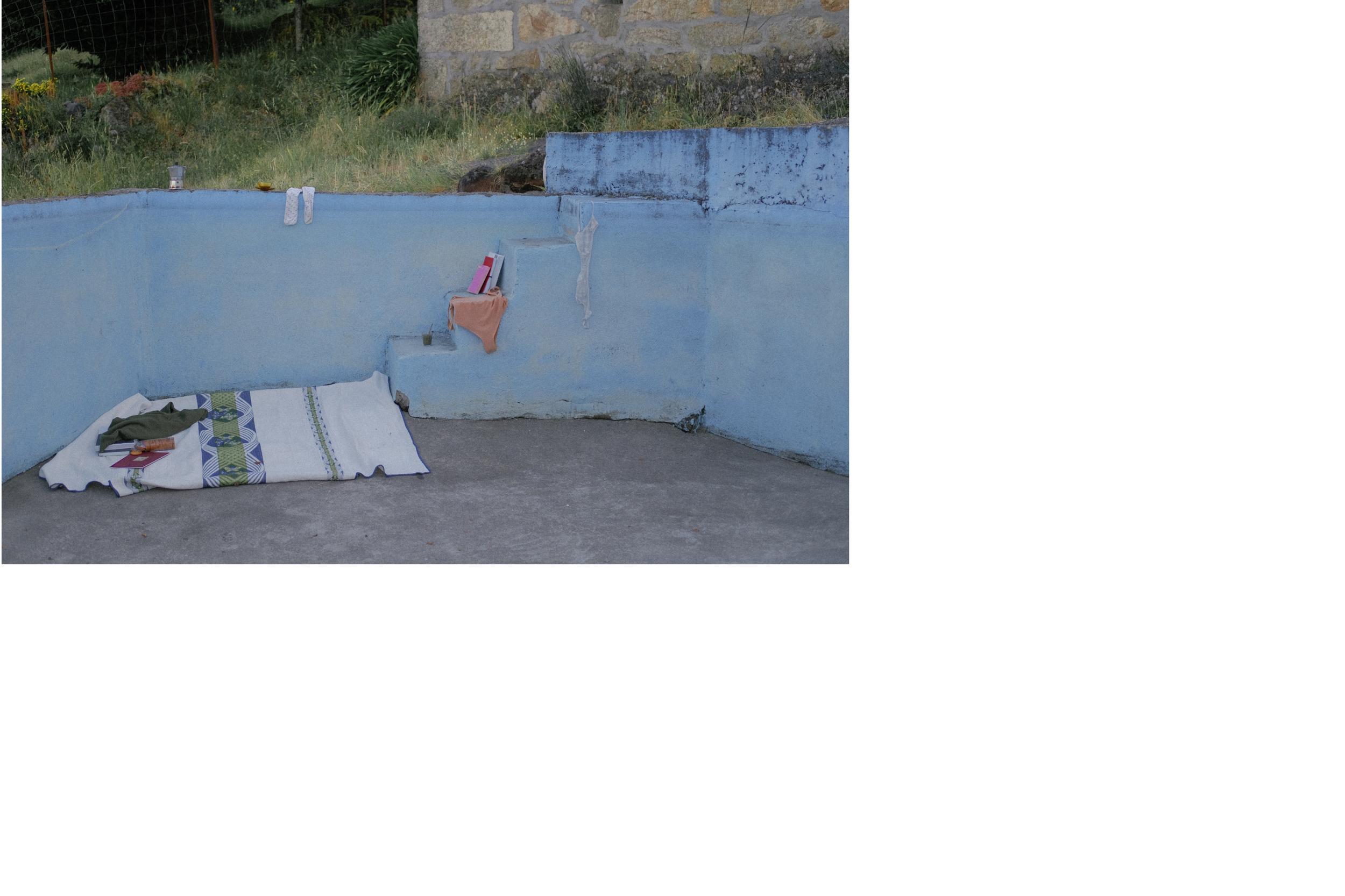
Transient Presence
Nađa Stanišić & Layla Odeh
Border Fieldnotes: Senderiz
André Araújo
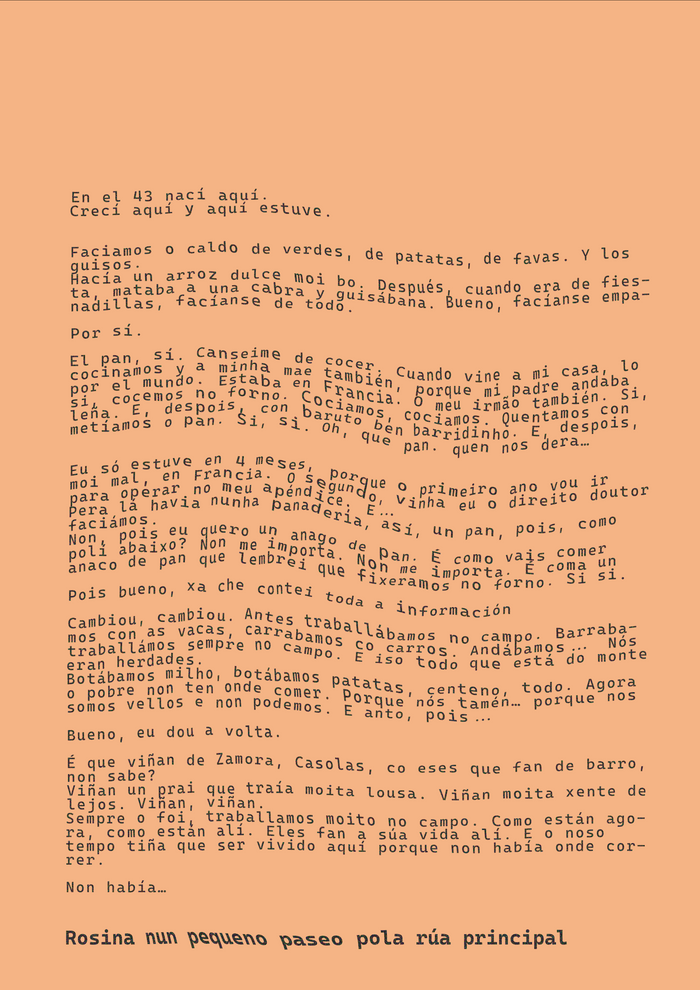
Henri Lefebvre 1 presents spaces as produced within a triad that relates how they are conceived, perceived and lived, that is, respectively by their representations, social practices and discourses. The places we pass are permeated by this intangible yet resonant bond.
The village of Senderiz is no exception.
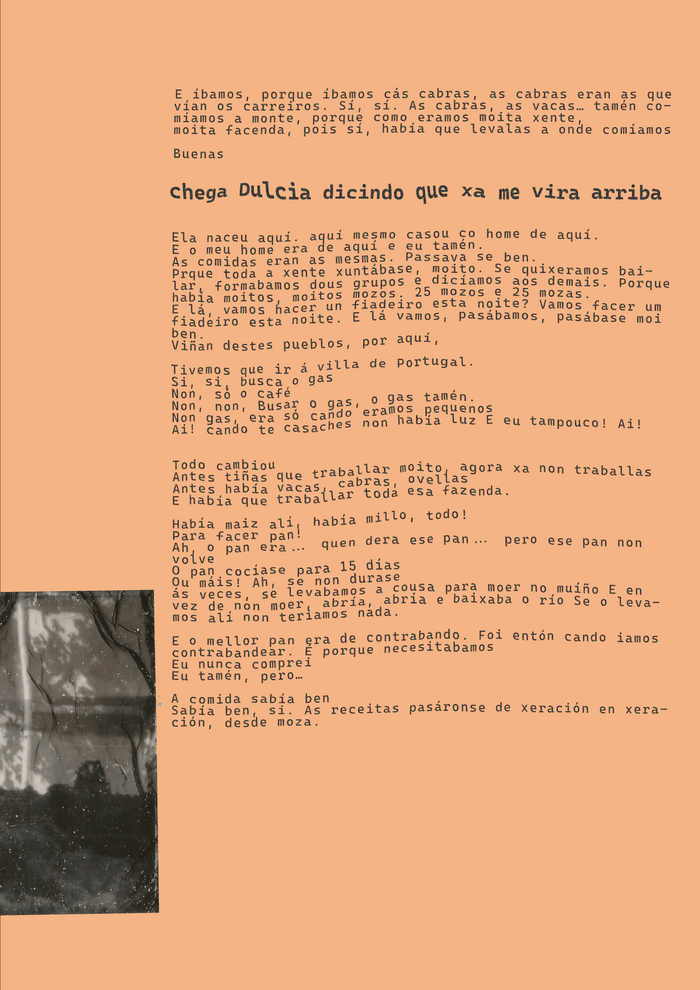
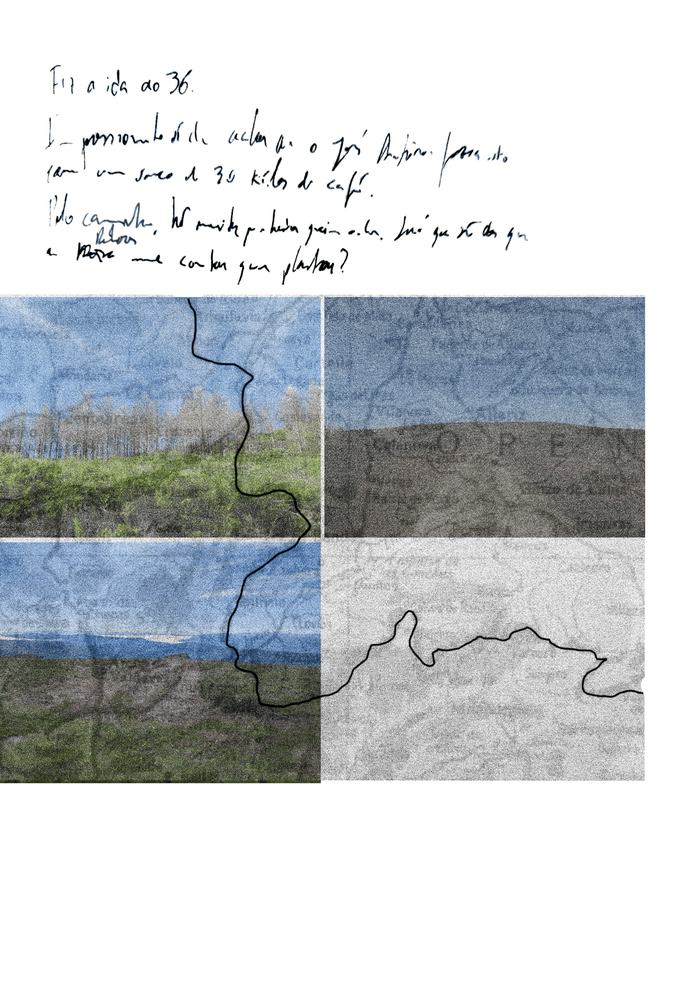
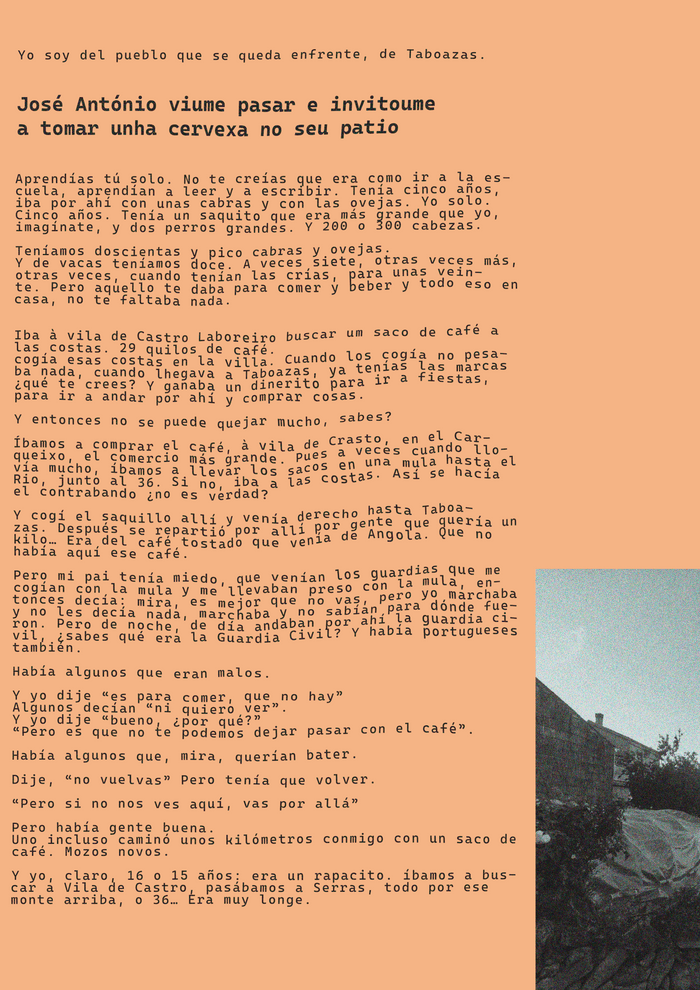
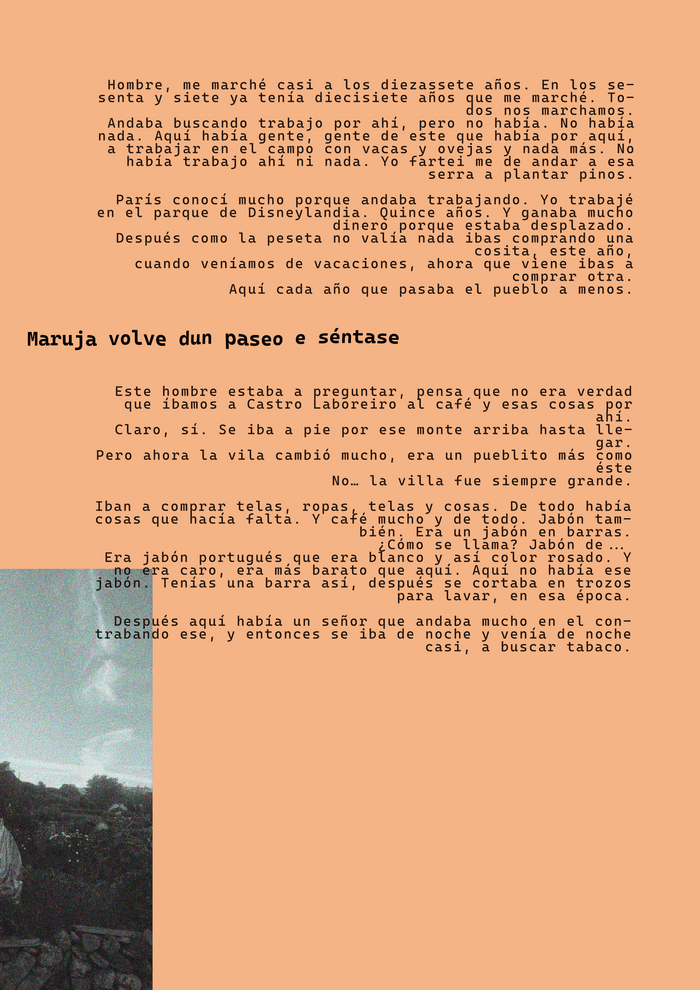
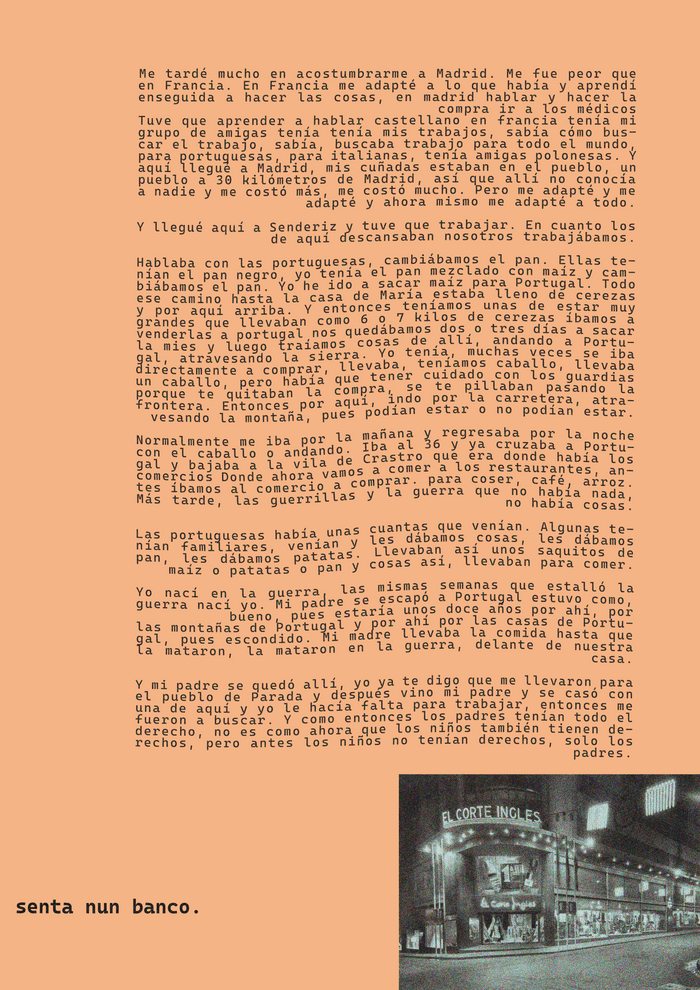
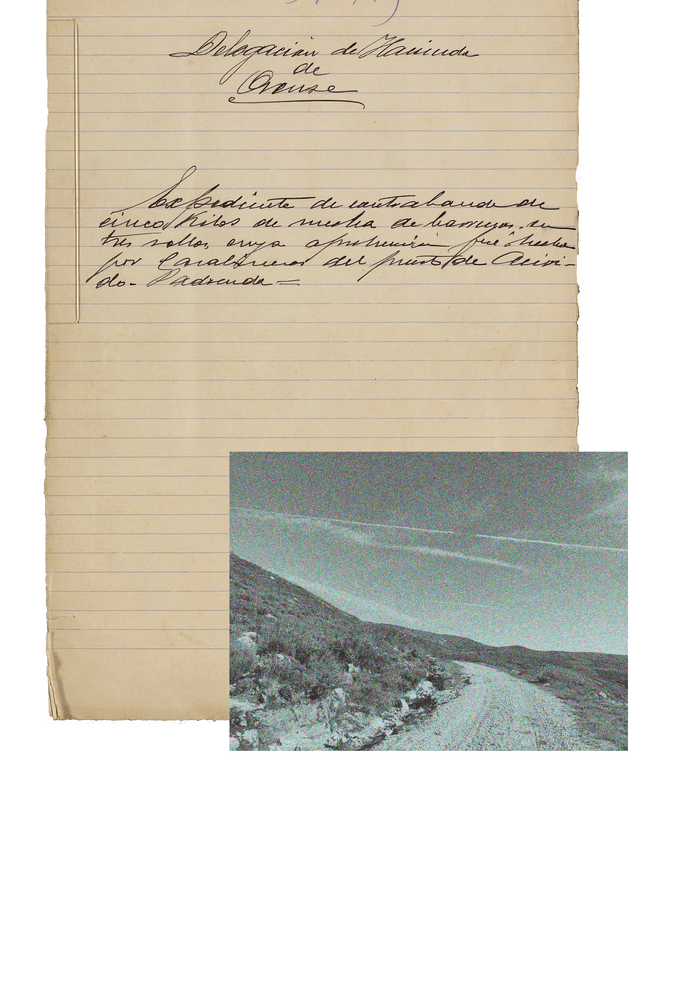
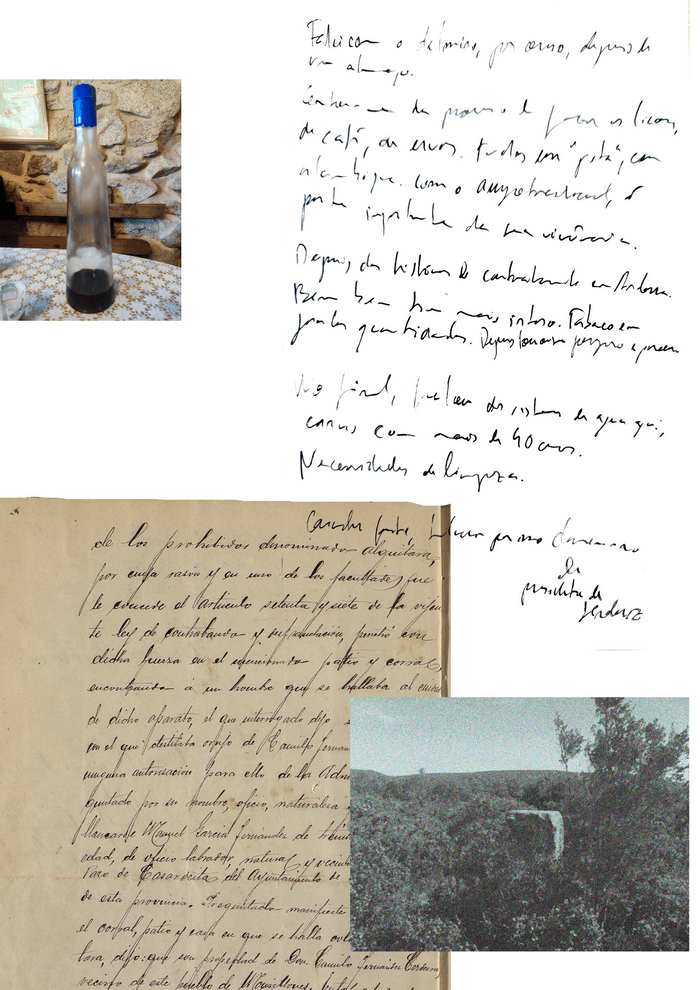
Being immersed in the territory has led to the weaving of an affective cartology, interlaced with the memories of those who had 200 goats in their care at the age of five, the Portuguese and Spanish women who exchanged rye for corn bread at the border, the 29-kilo bag of smuggled coffee carried for countless kilometres. Work in the fields as well as emigration. Codes, memories, languages. Things that generations have learnt. The “Caldos”, the smells and the bread that “will never come back”. The stories of hardship that it is hoped “remain behind us”, mixed with nostalgia of those days when we were 25 boys and 25 girls dancing without light.
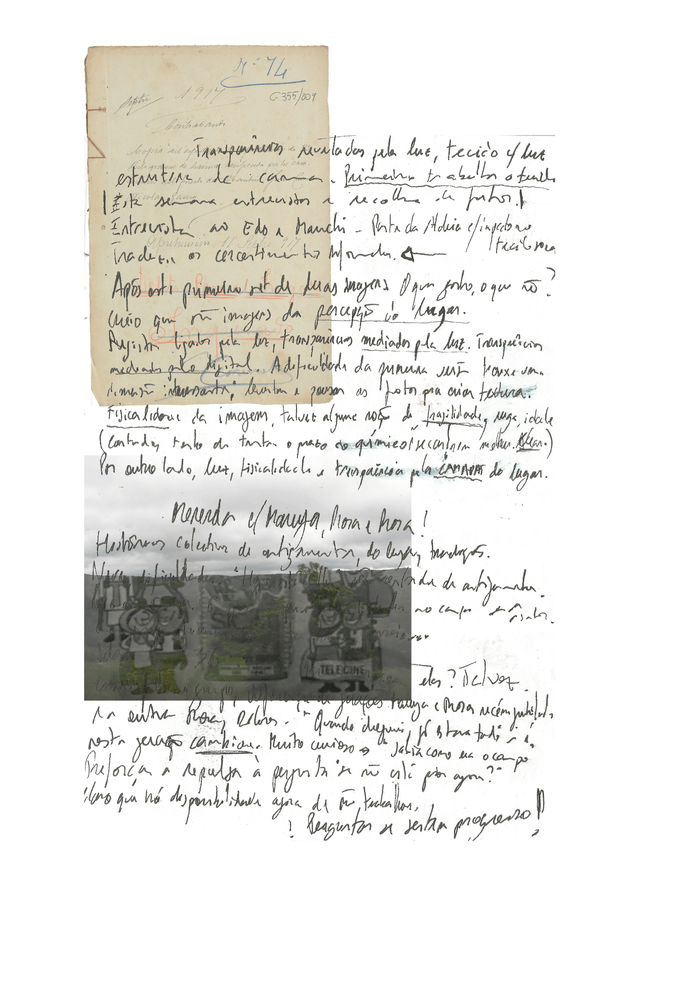
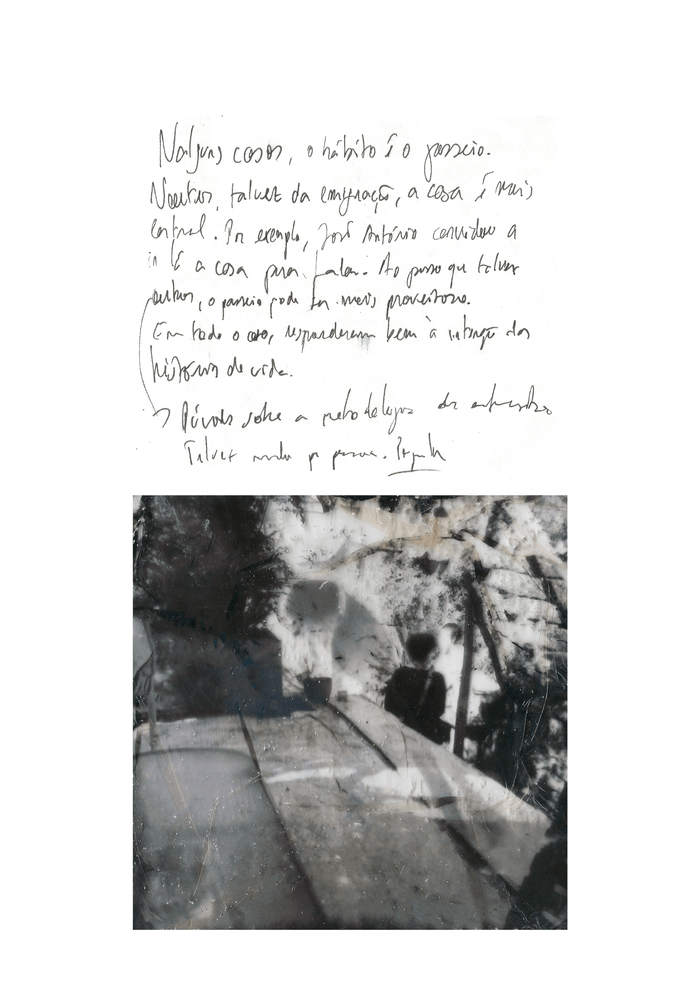
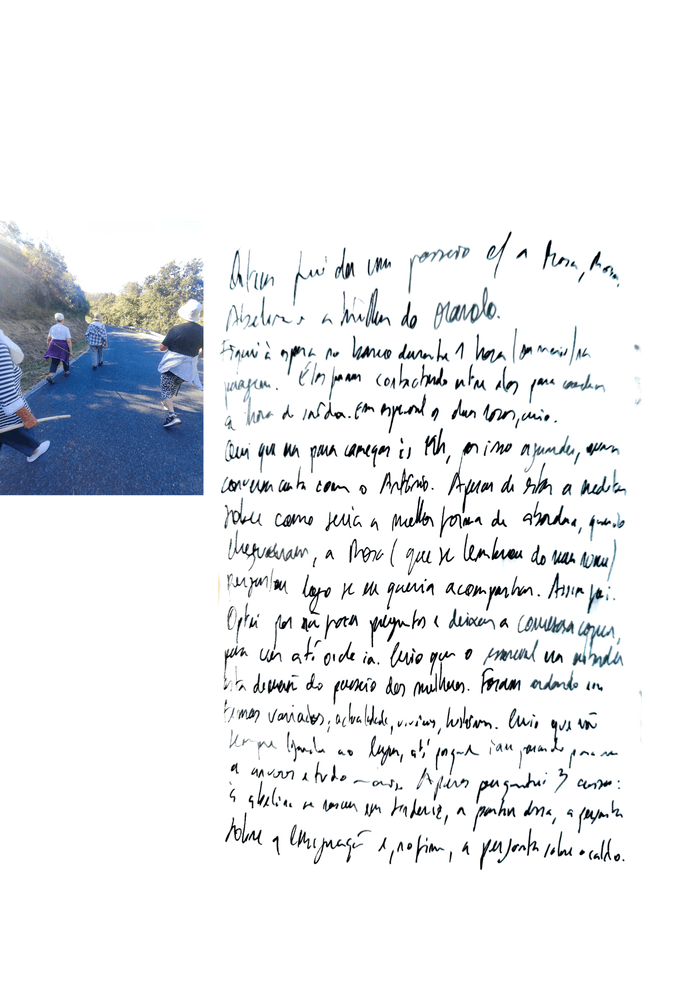
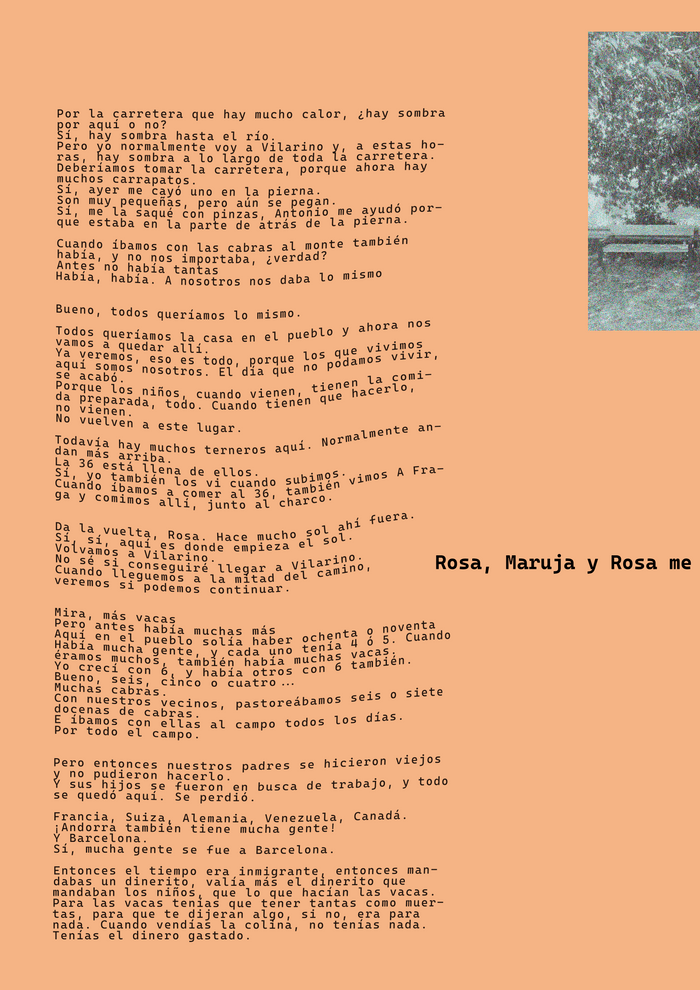
All this contact with the territory is reflected in the fieldnotes, where meditations, interactions, methodological doubts, archives and, step by step, how the various dimensions of the place began to be established through the image, light and layers are displayed beside transcripts of conversations with locals which, from records of short walks, casual encounters to invitations into their homes, reflect the inability to epistemologically imagine this village beyond its echoes.
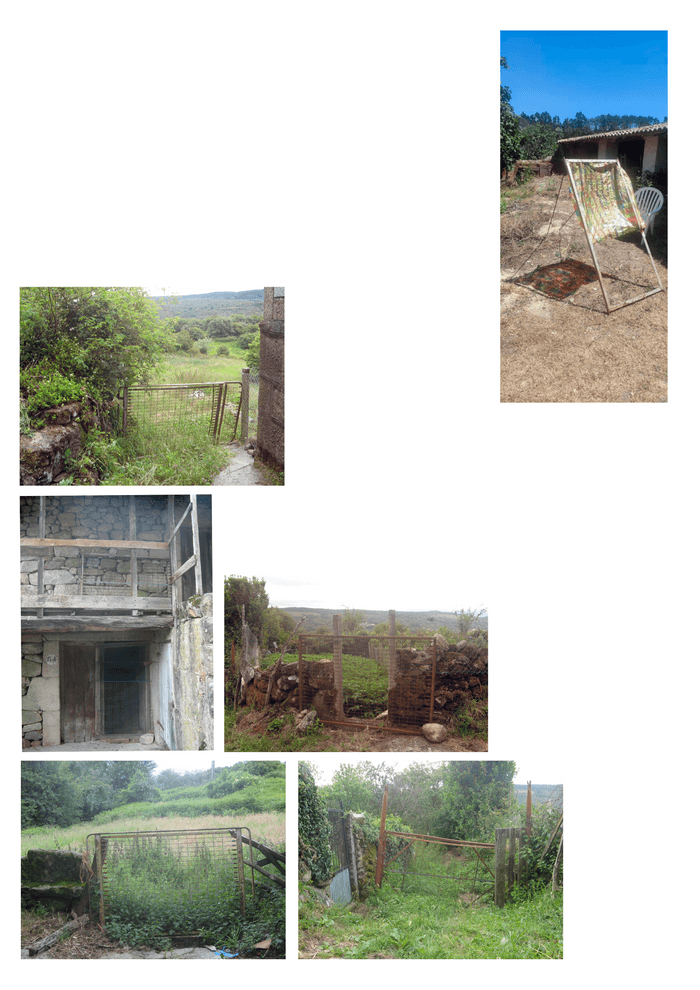
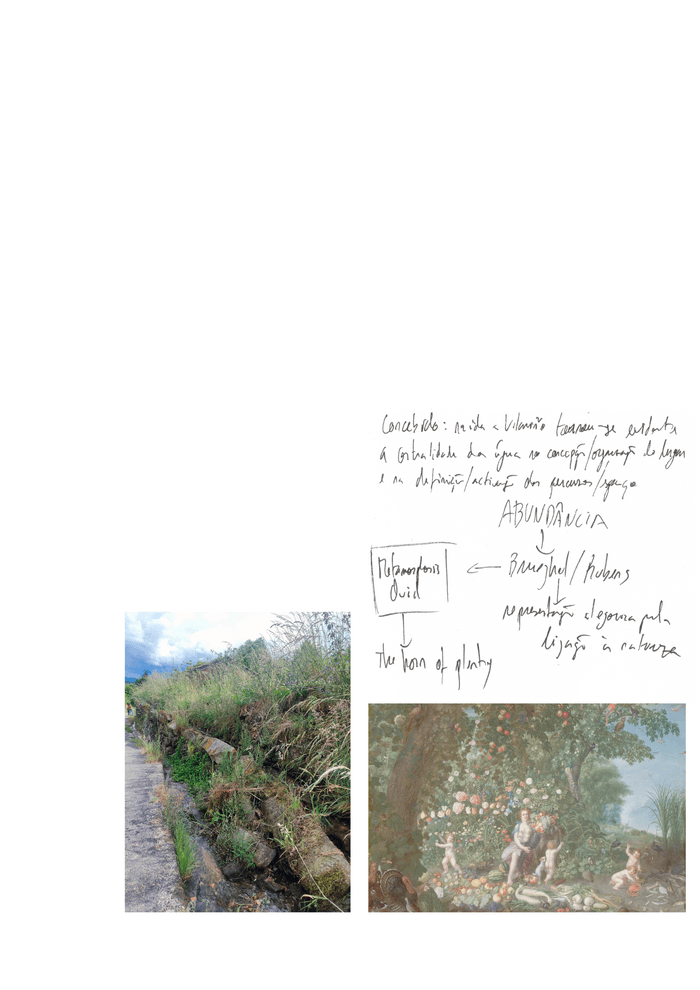
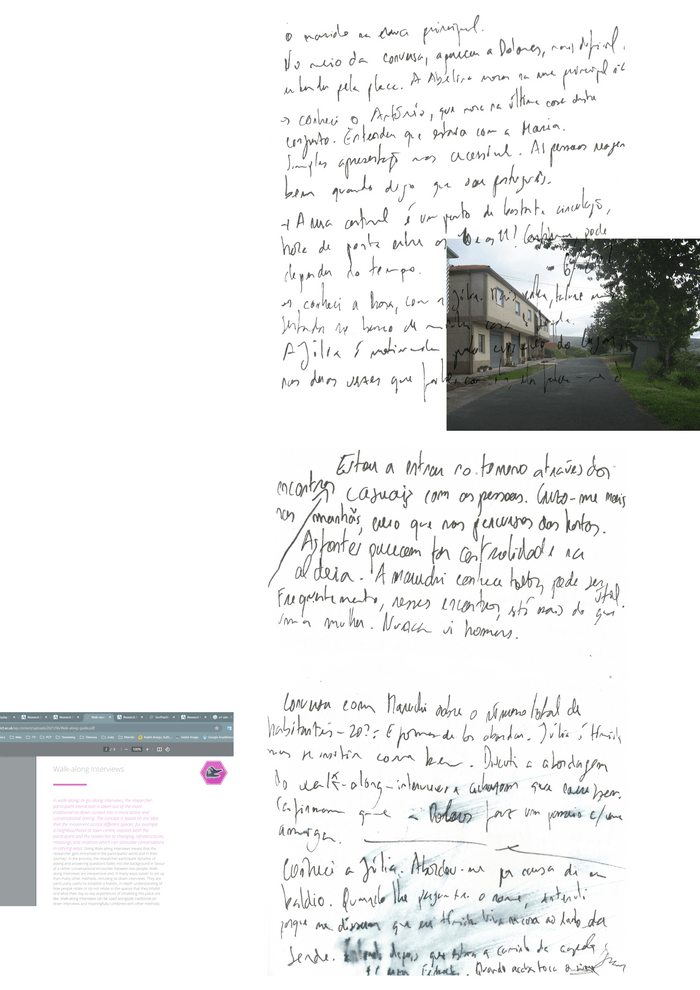
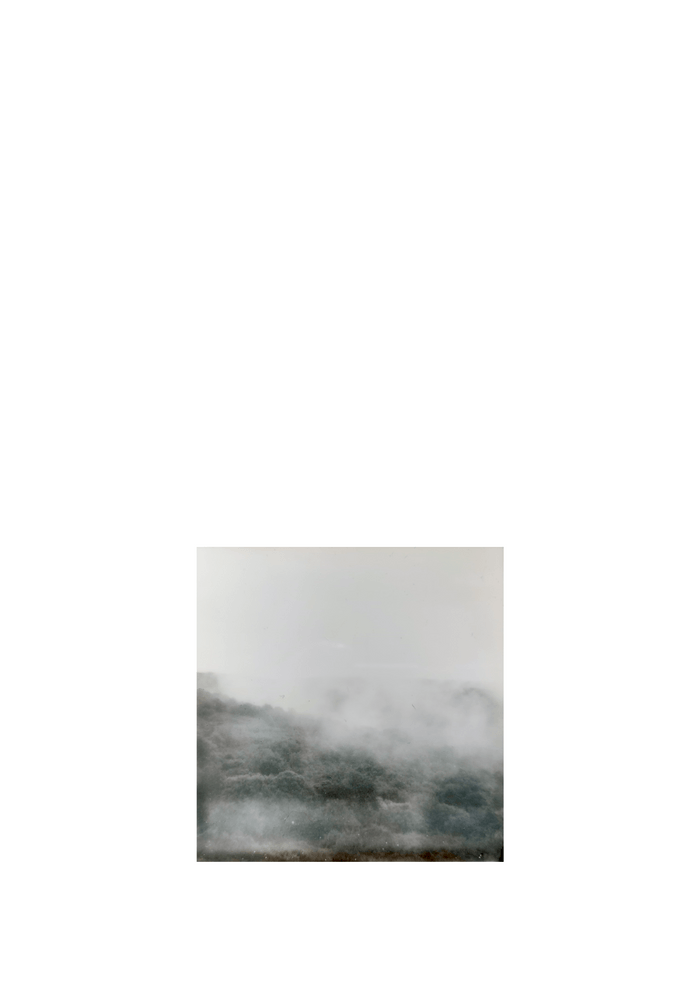
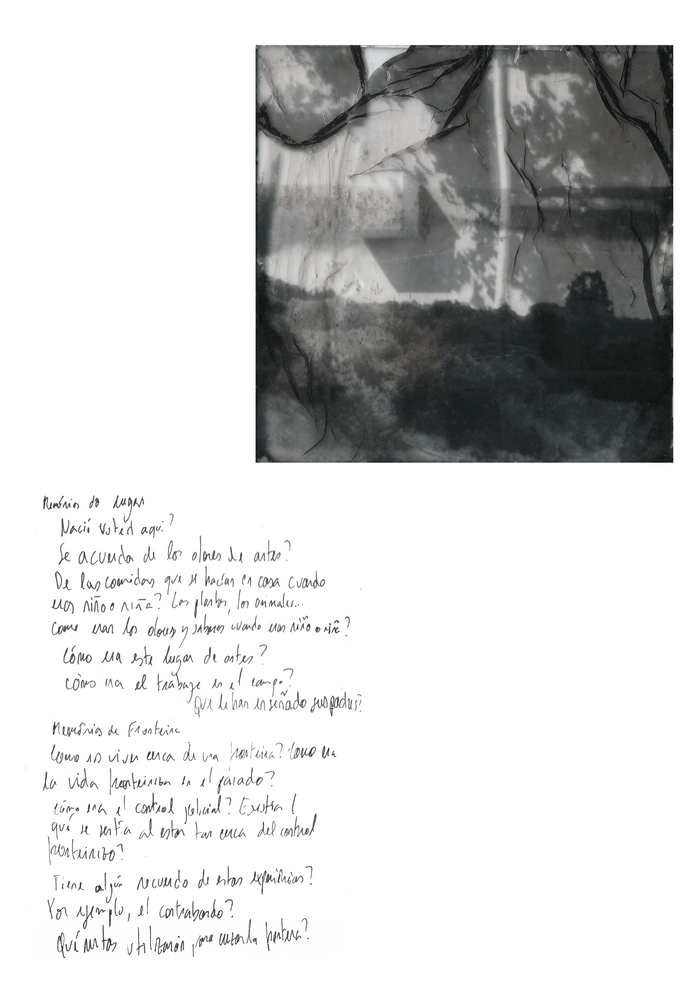
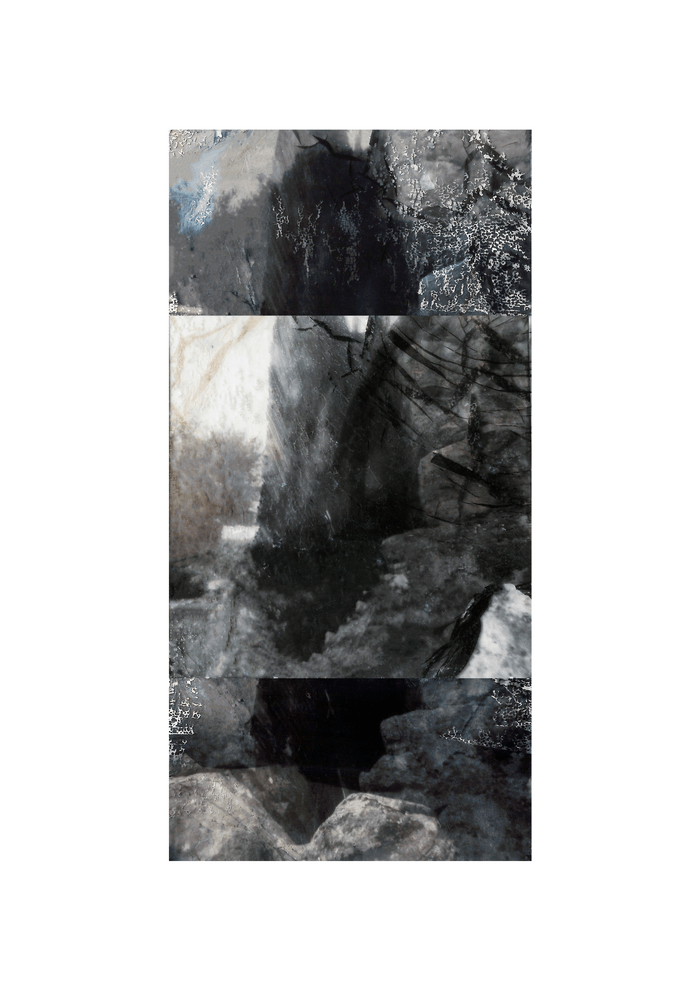
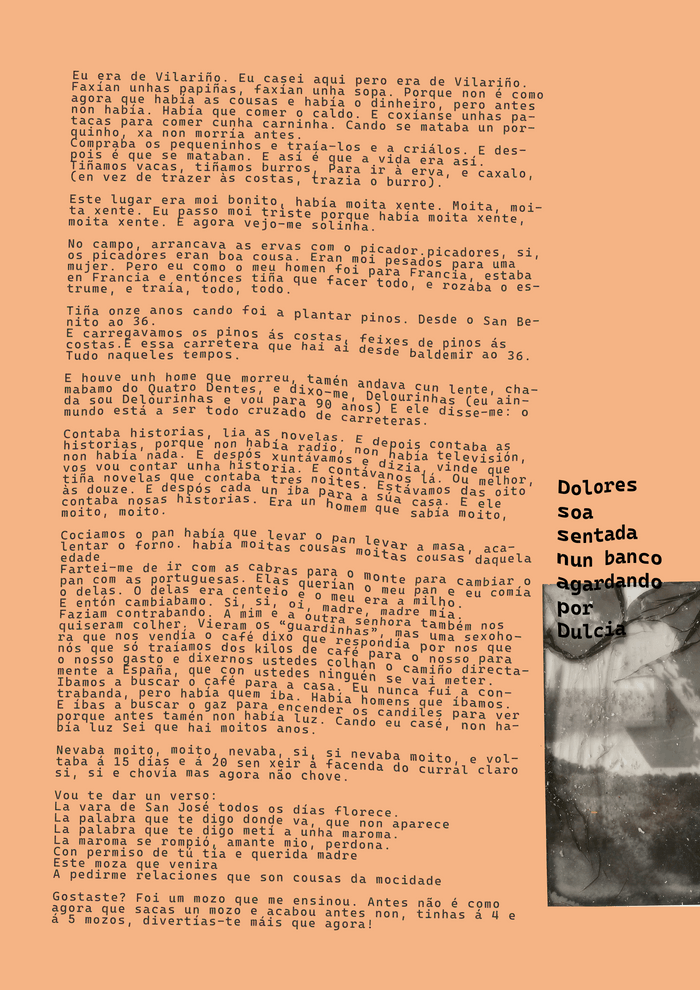
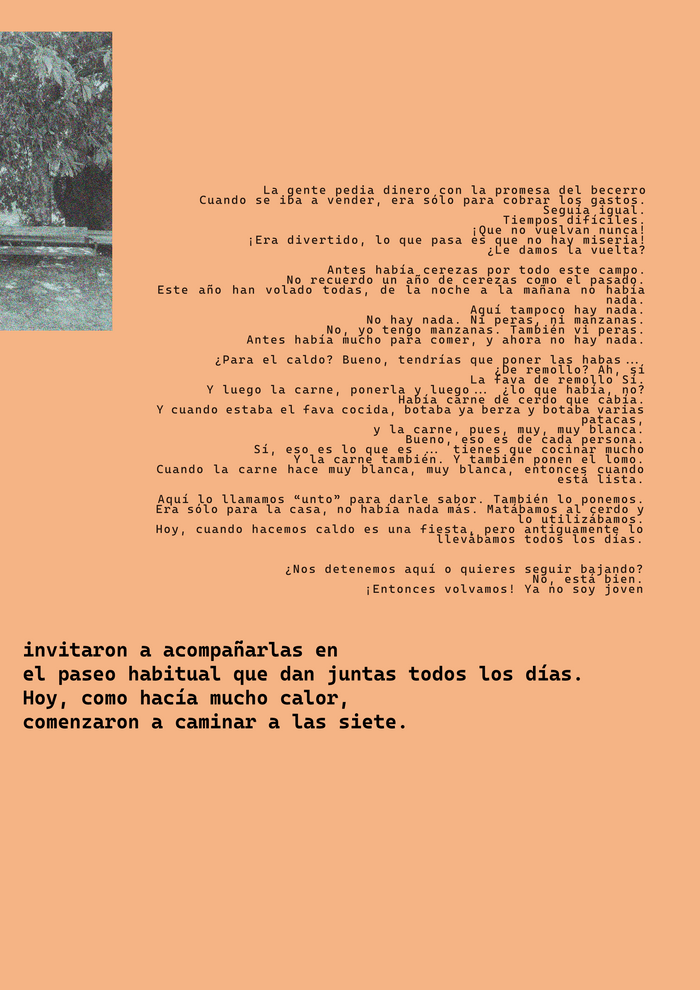
ENG version of interviews available here1 -H. Lefebvre, The Production of Space . Oxford: Blackwell, 1991.
36
André Araújo
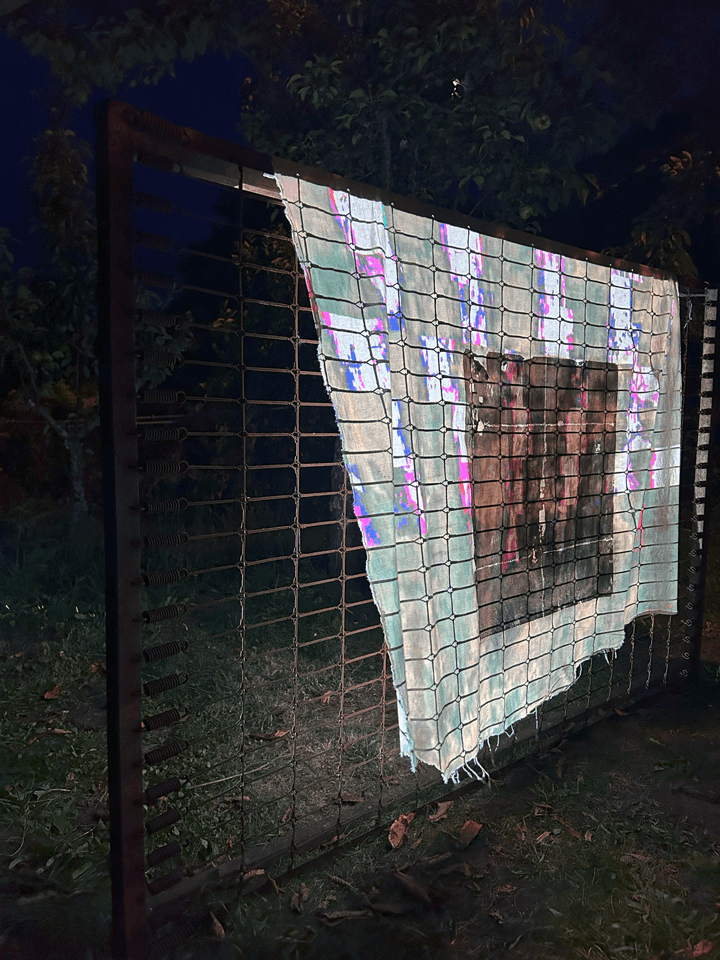
Installation
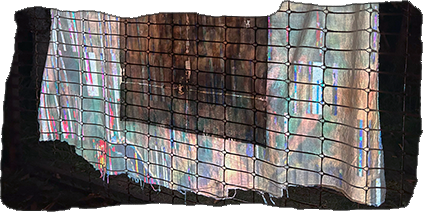
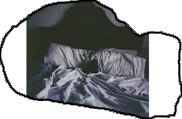
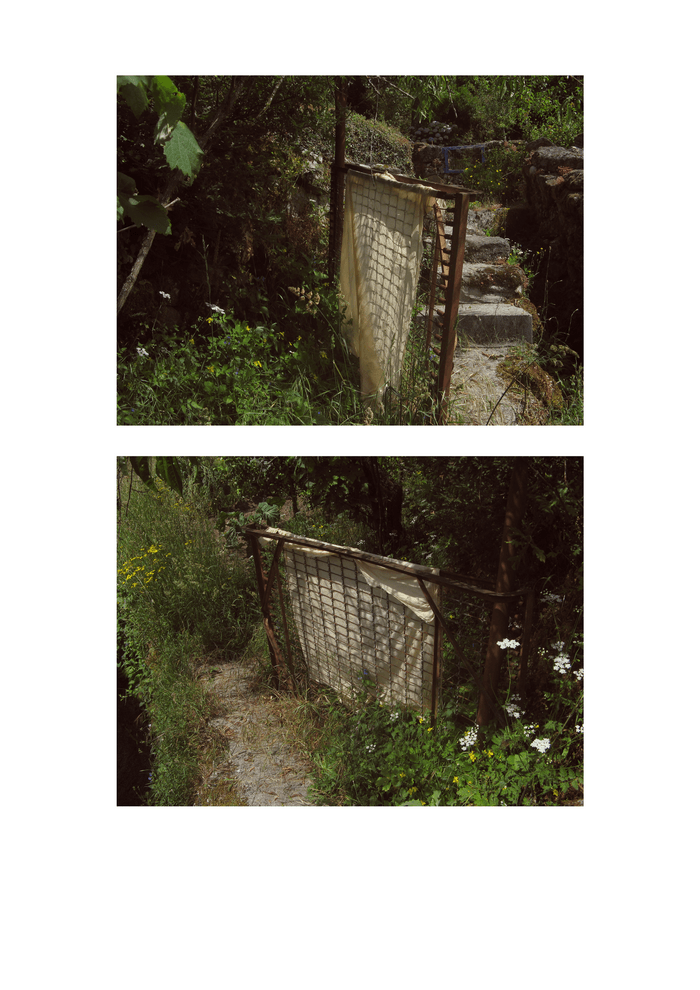
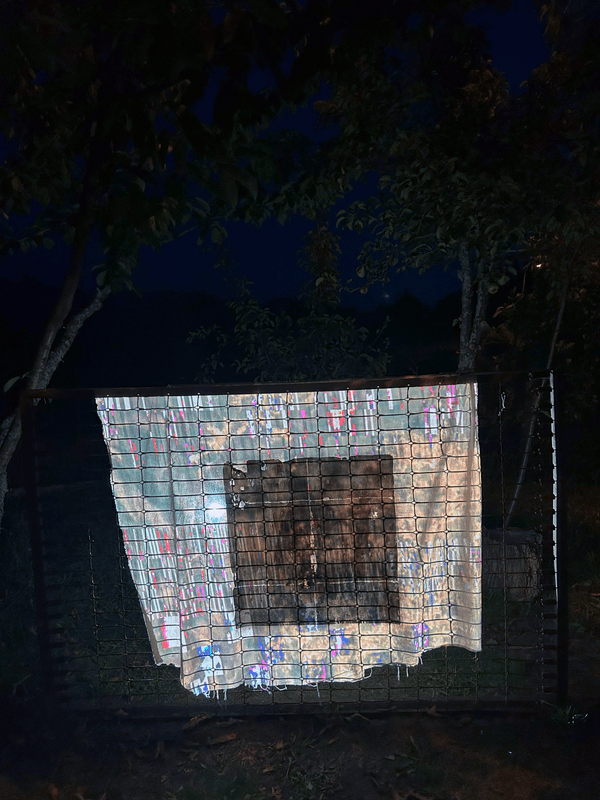
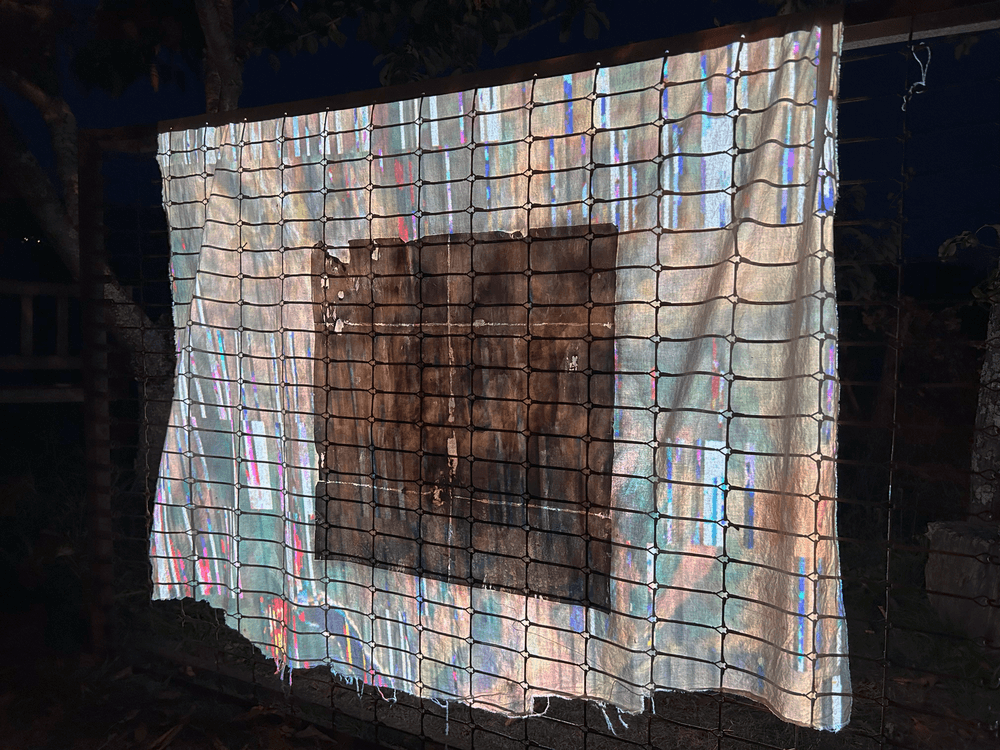
Audiovisual projection on fabric with photo transfer and bed frame | 10’16” loop
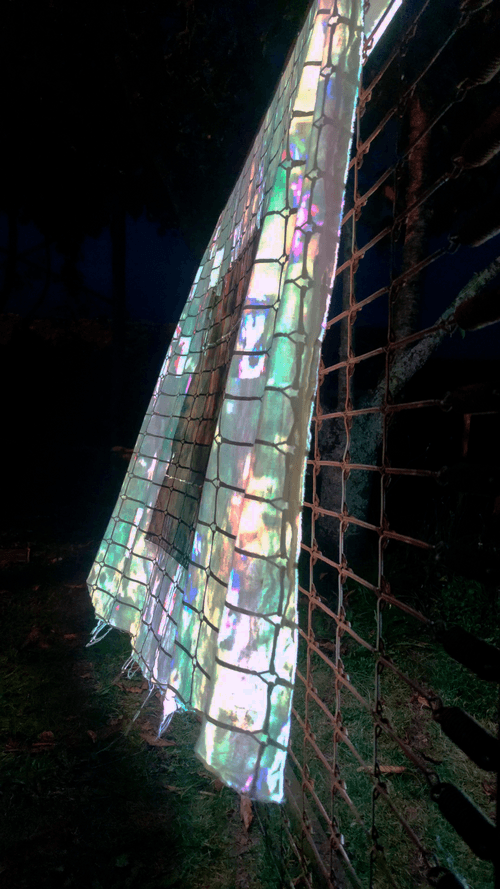
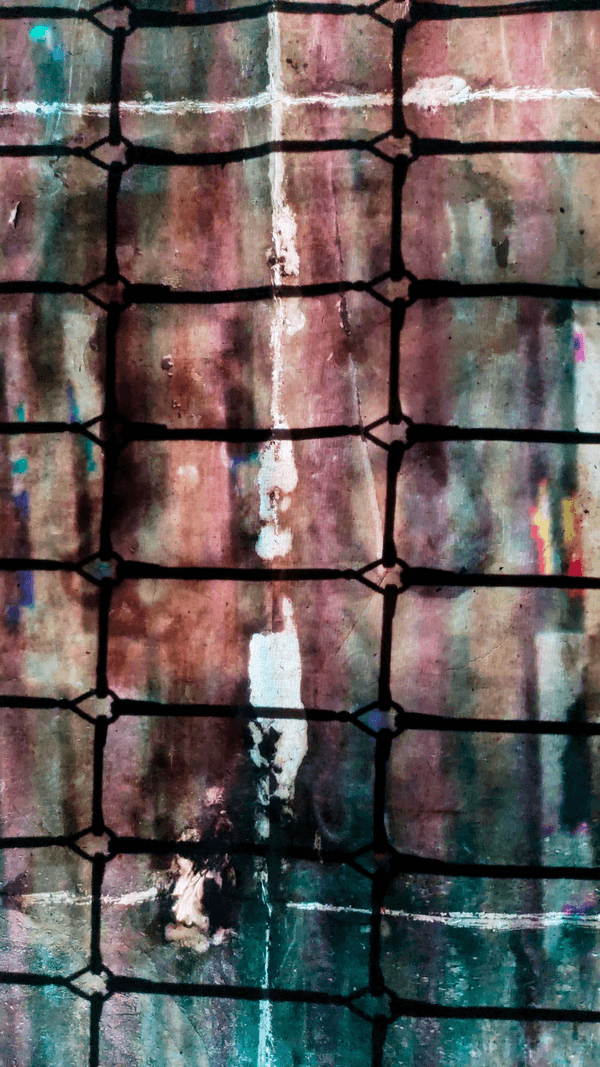
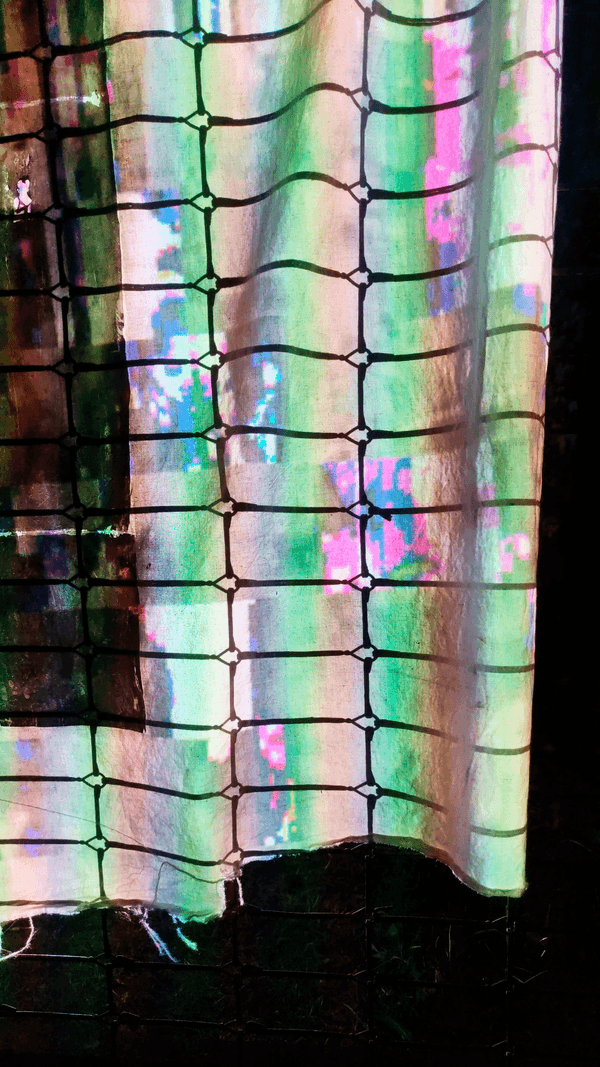
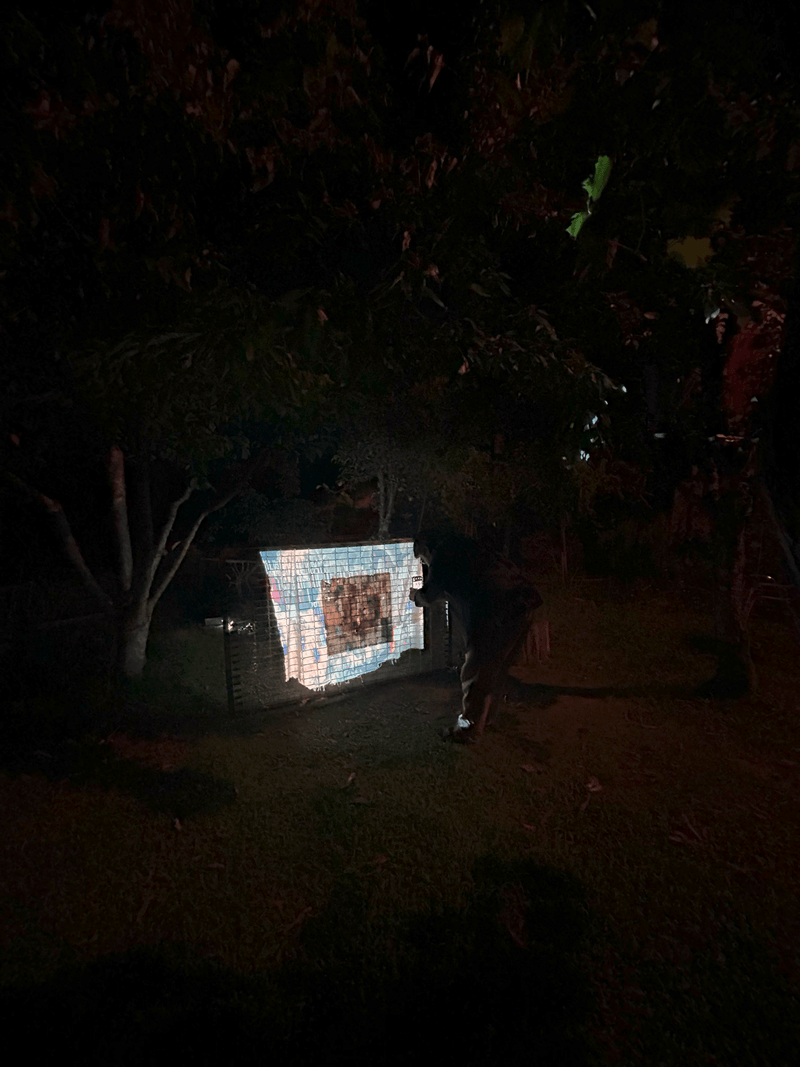
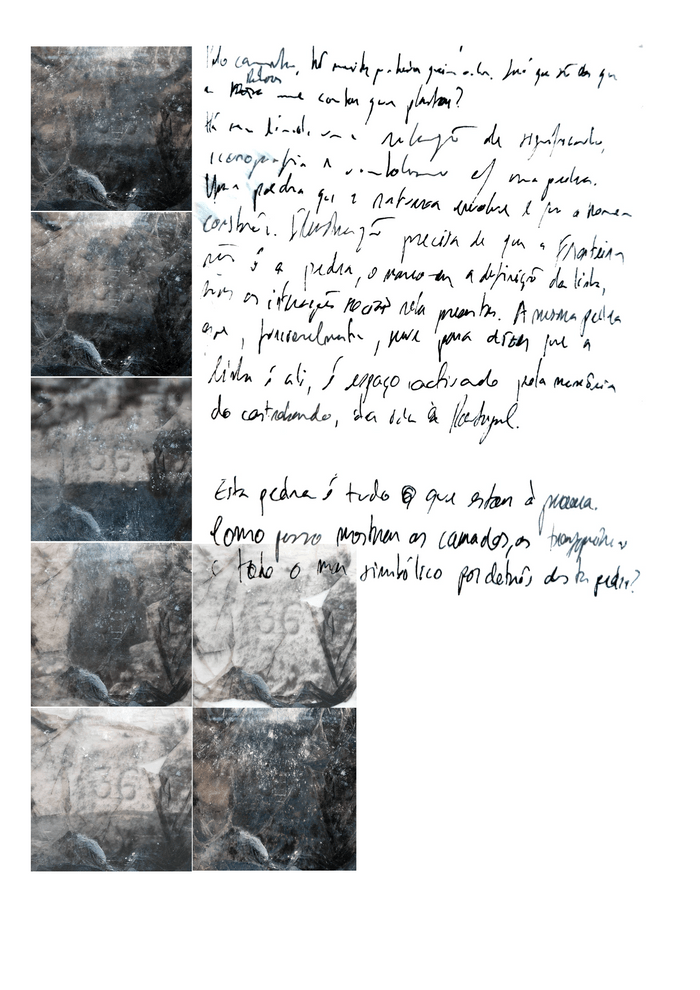
In Senderiz, everyone talks about the 36.
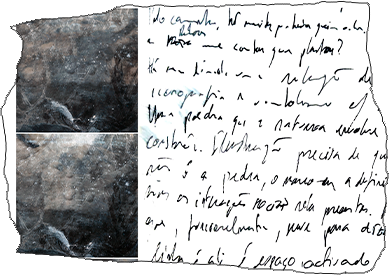
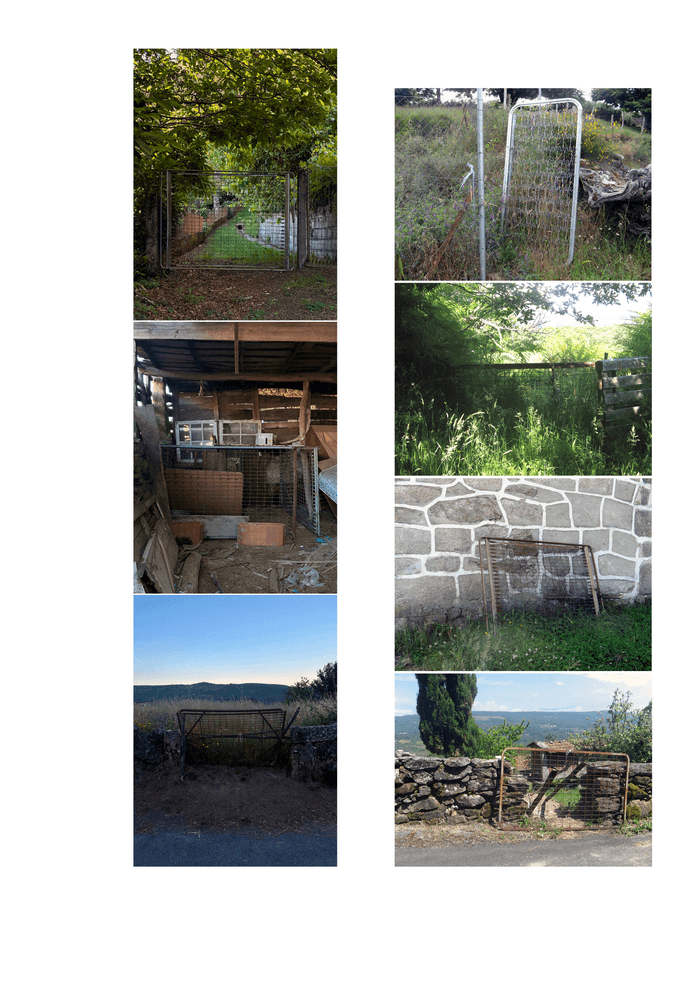
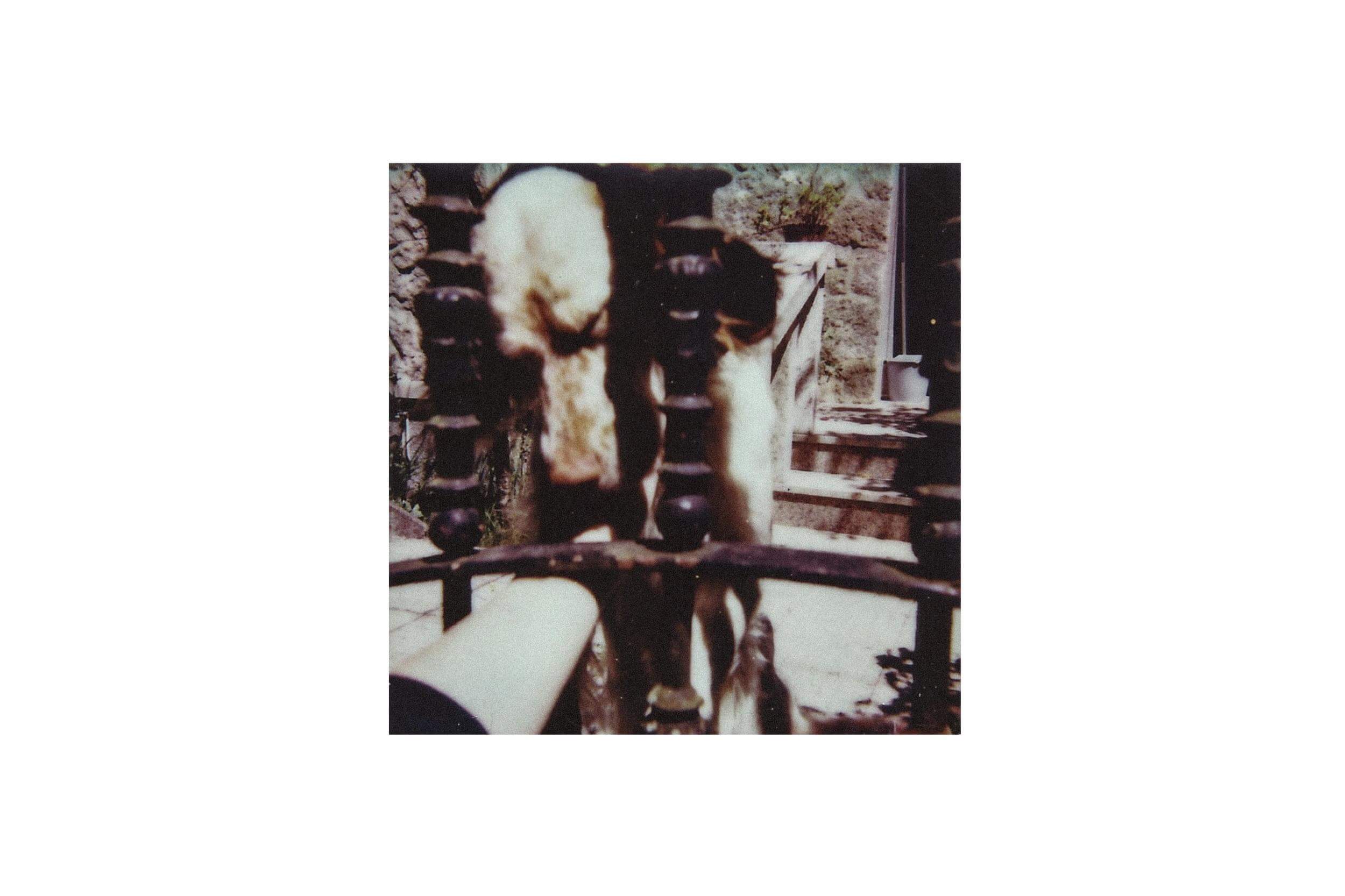
A stone that seems to have a geographical function - to tell us that the border is right there, in that place. It silently announces that Portugal is on one side and Spain on the other.Yet what this landmark didn't foresee is that it is instead at the service of the symbolic, as a space activated by the meetings that took place there, the contraband that was there traded, the several exchanges of rye and corn bread between Portuguese and Spanish women. A place of both vigilance and courage, fear and audacity. A stone that marks a line that, after all, through all the layers of experience, is more blurred than clean.As an immersive moment, 36 merges all these dimensions in a gesture mediated by light, in a dialogue between the permanence of the landmark - in an image generated by Polaroid transparencies, which are also merged by light - and video projection, which questions the map as an instrument for reducing reality. They meet in a rusty bed frame, an object that, all over the village and region, is reconverted into a garden gate.
The installation "36" is a part of André Araújo's artistic residency in Sende in July 2024, whose process, reflections and material explorations can be further found in the journal Border Fieldnotes: Senderiz.
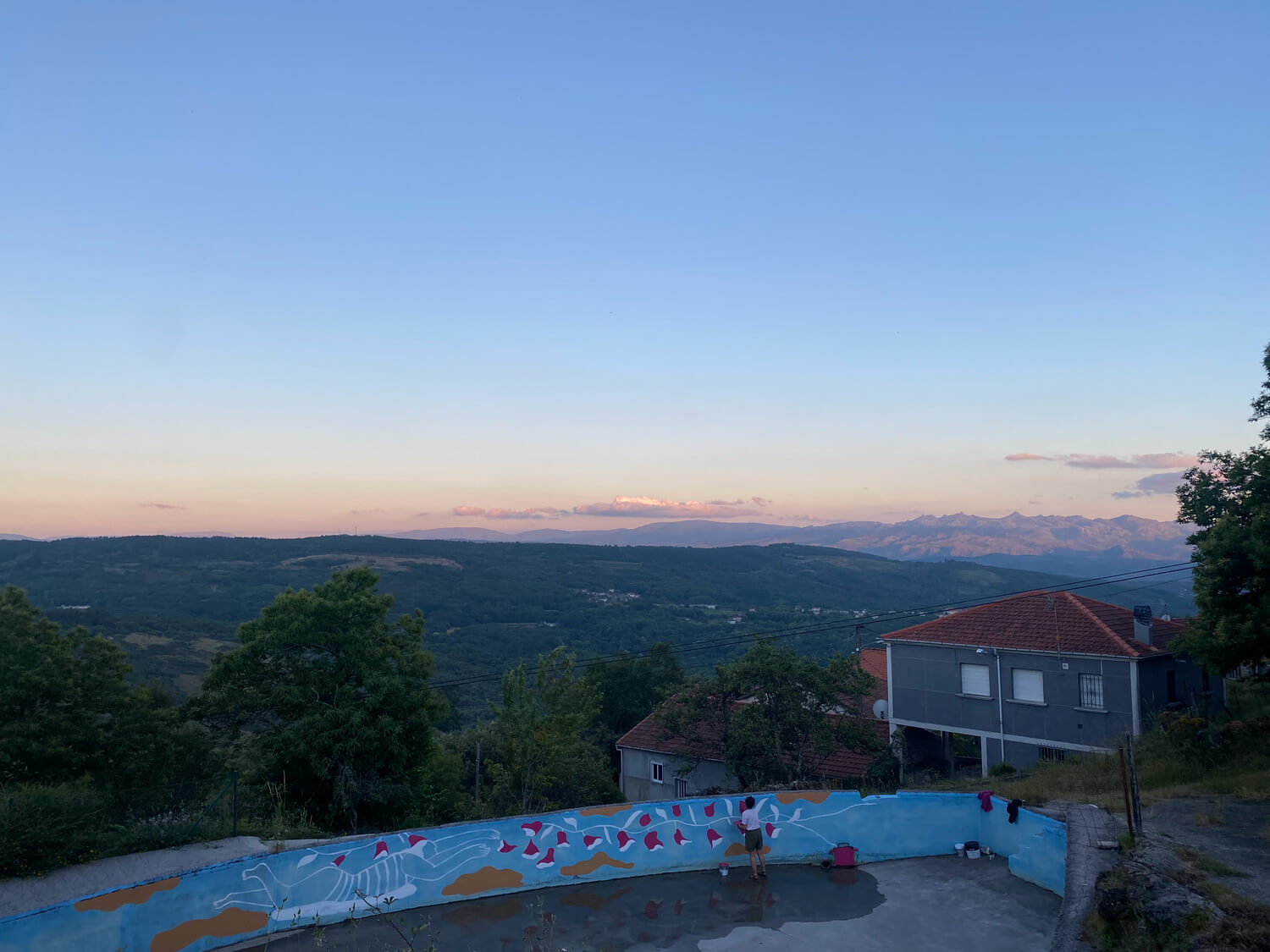
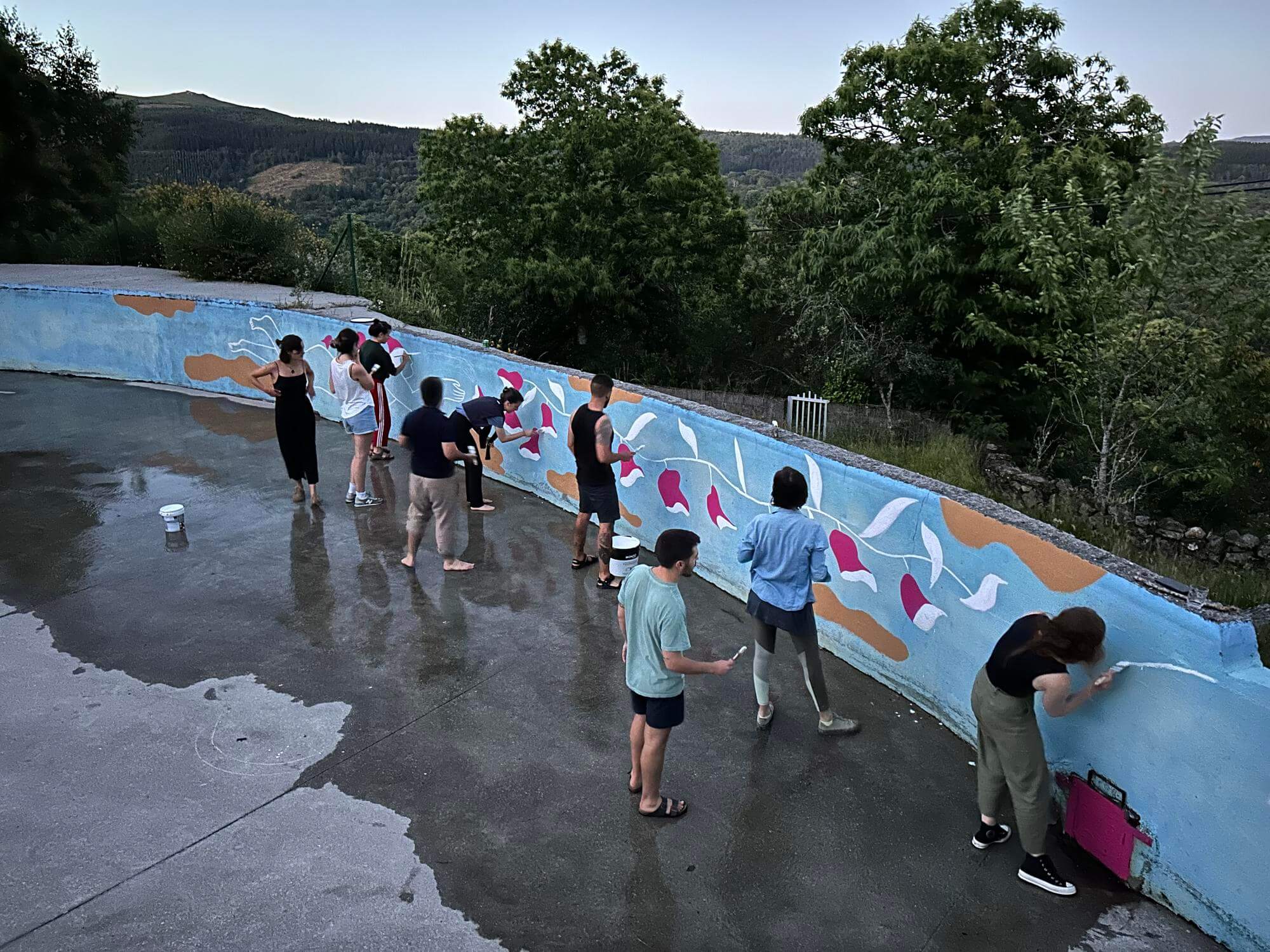
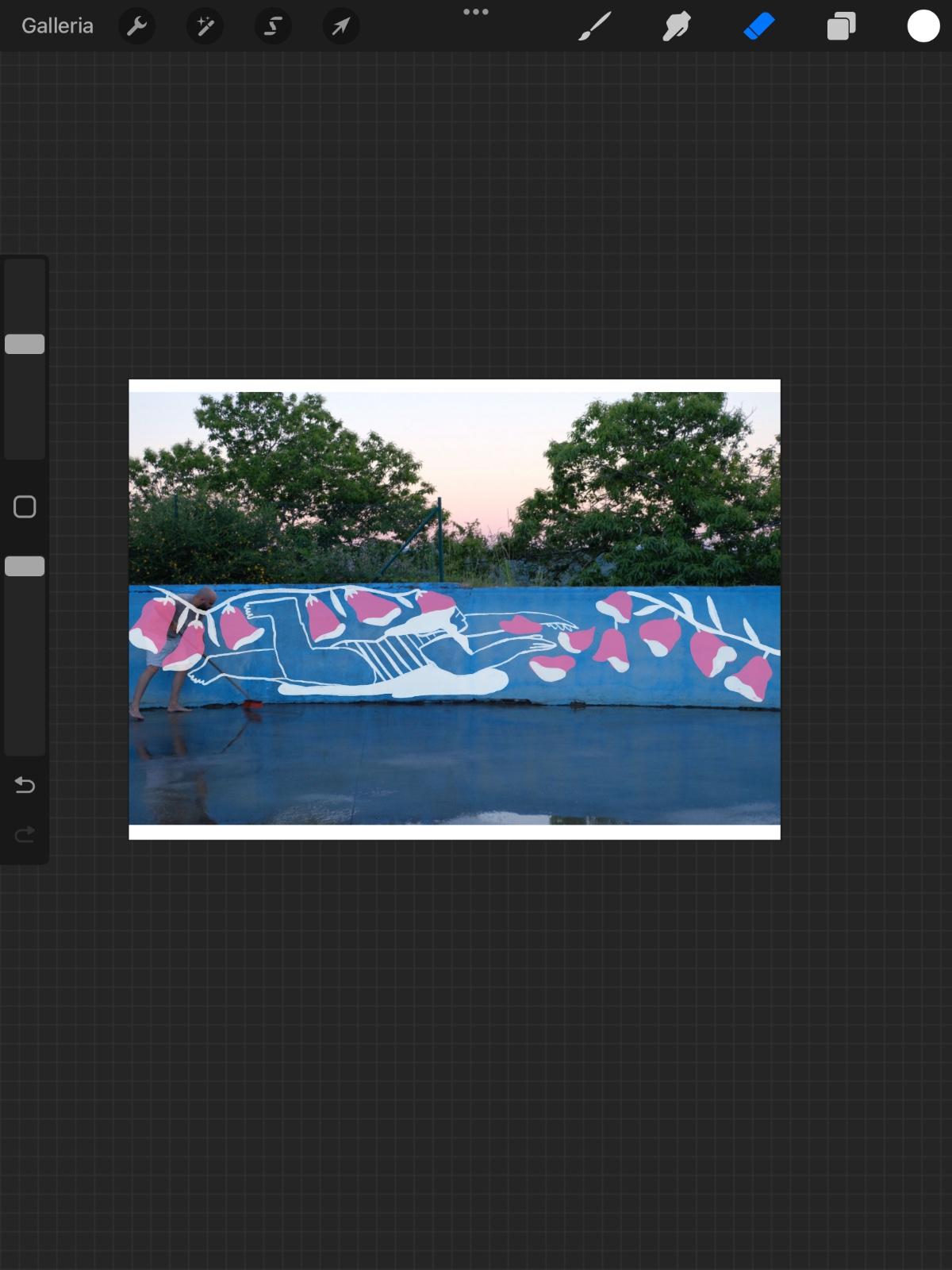
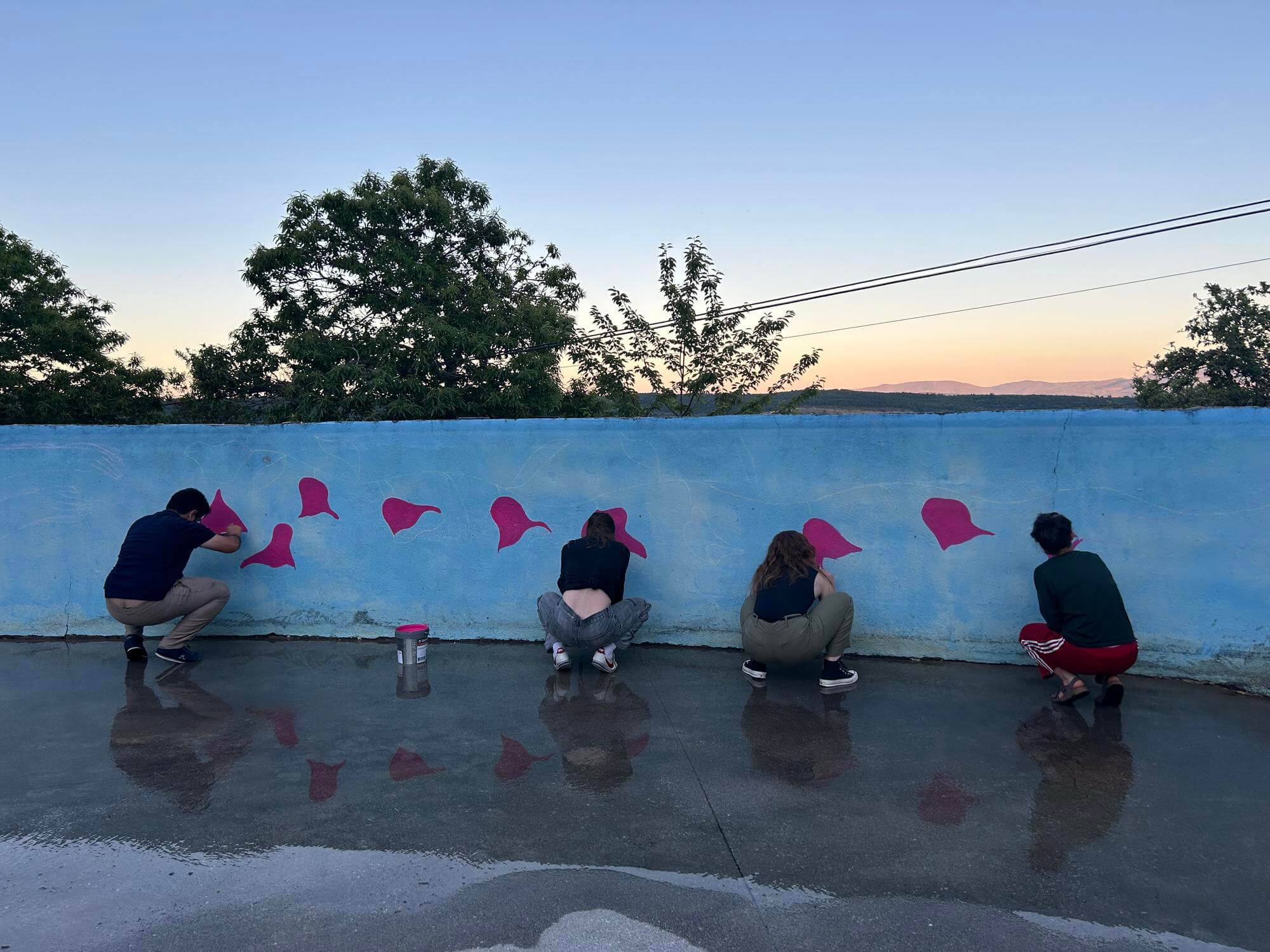
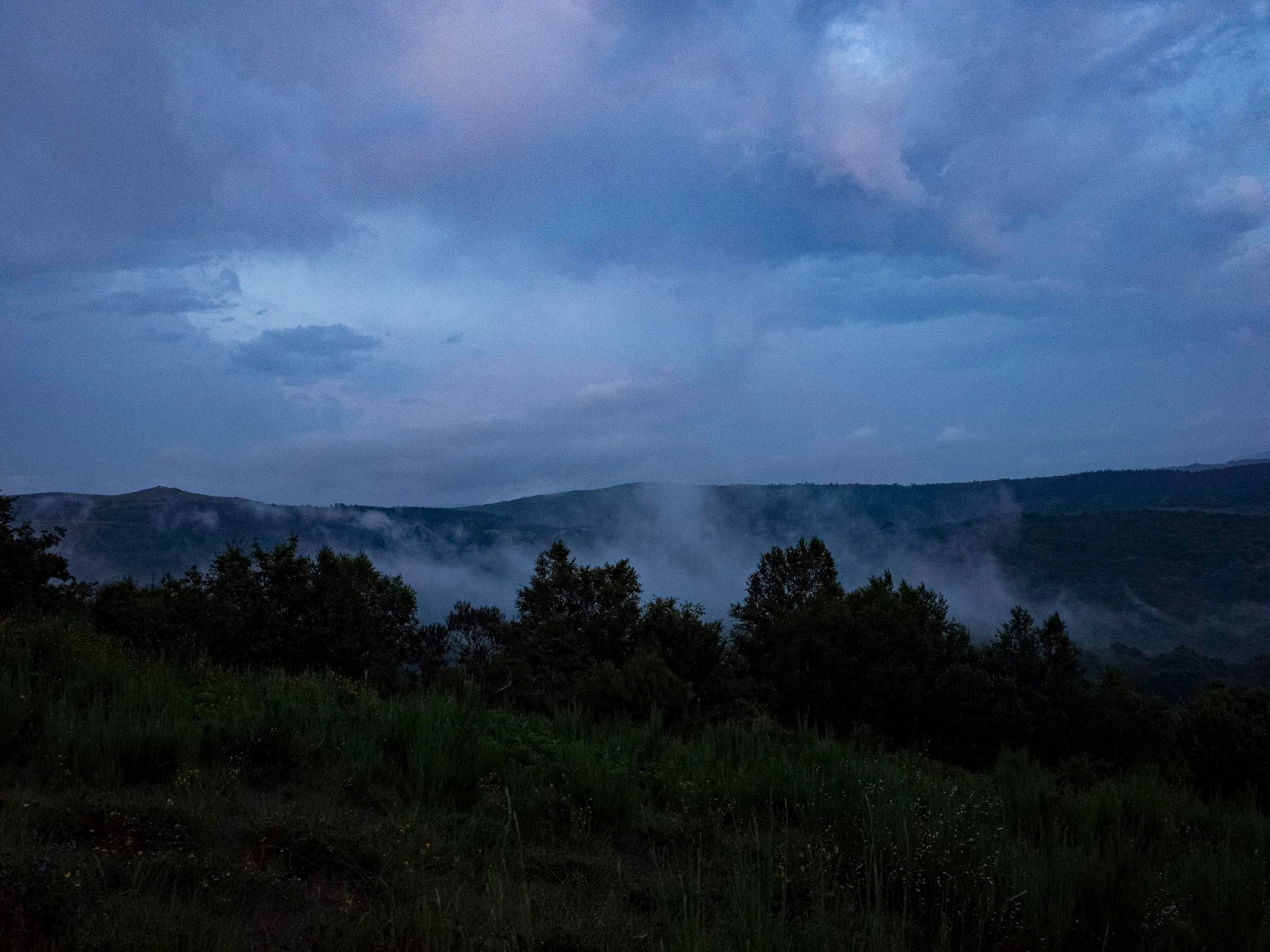
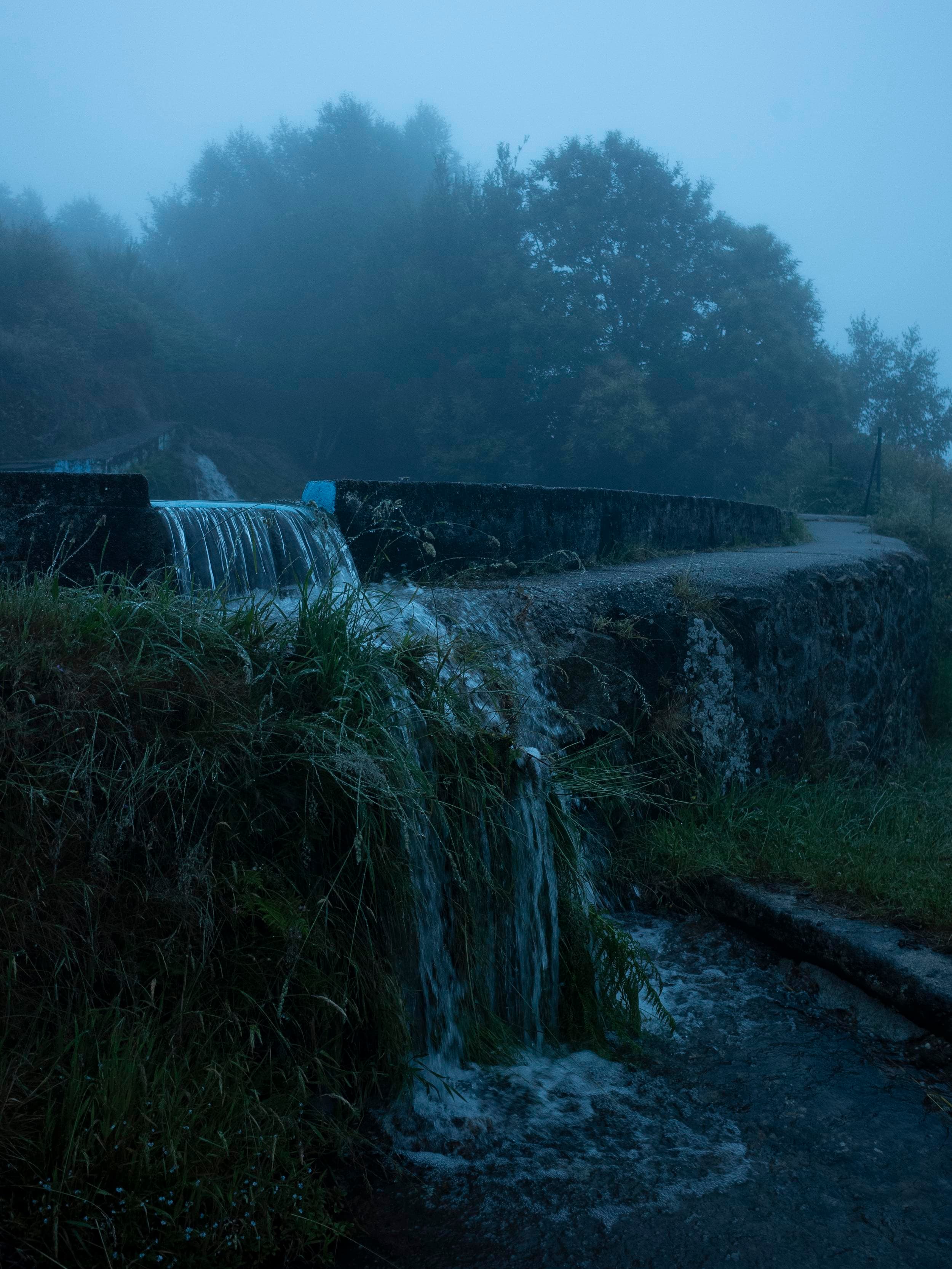
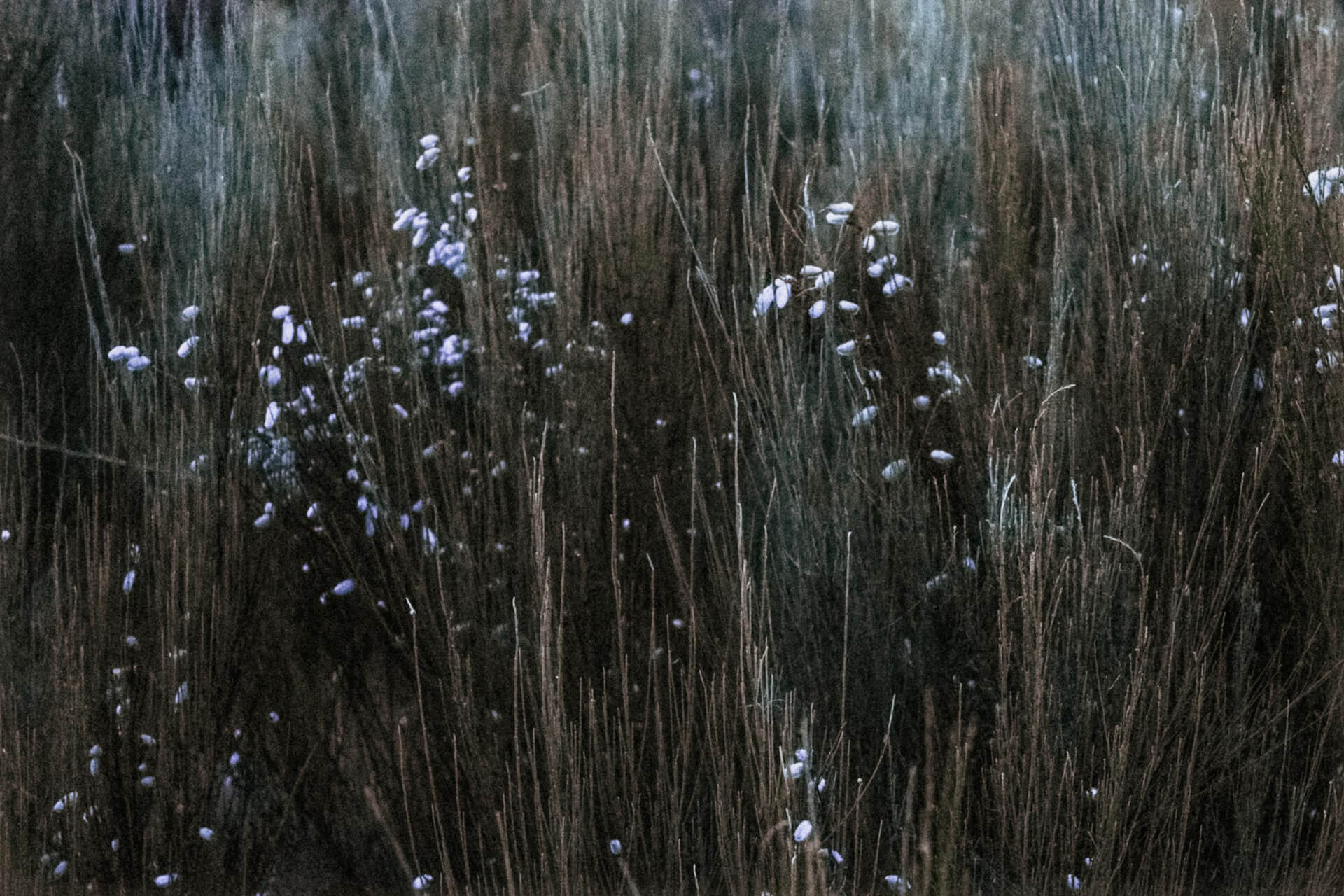
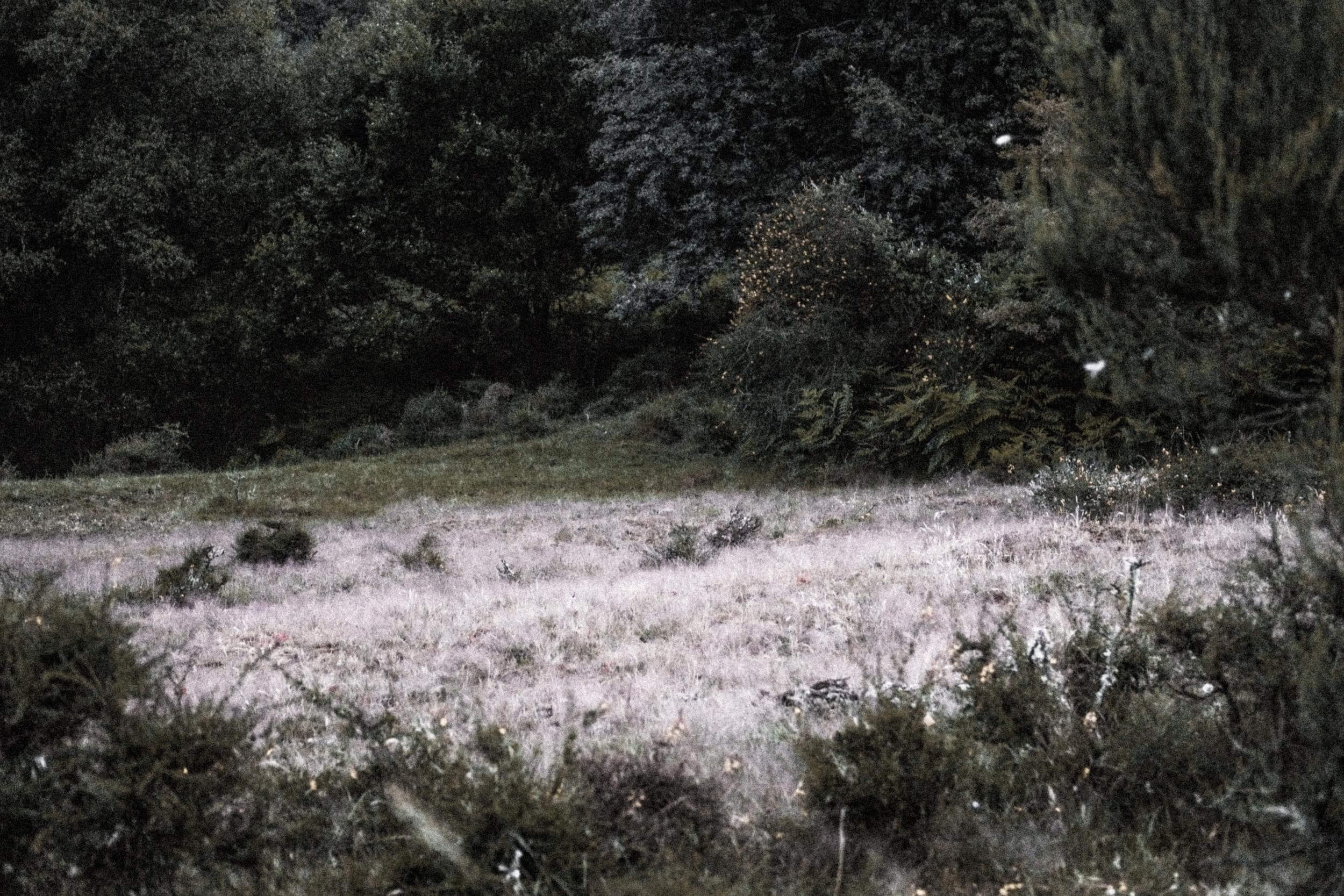
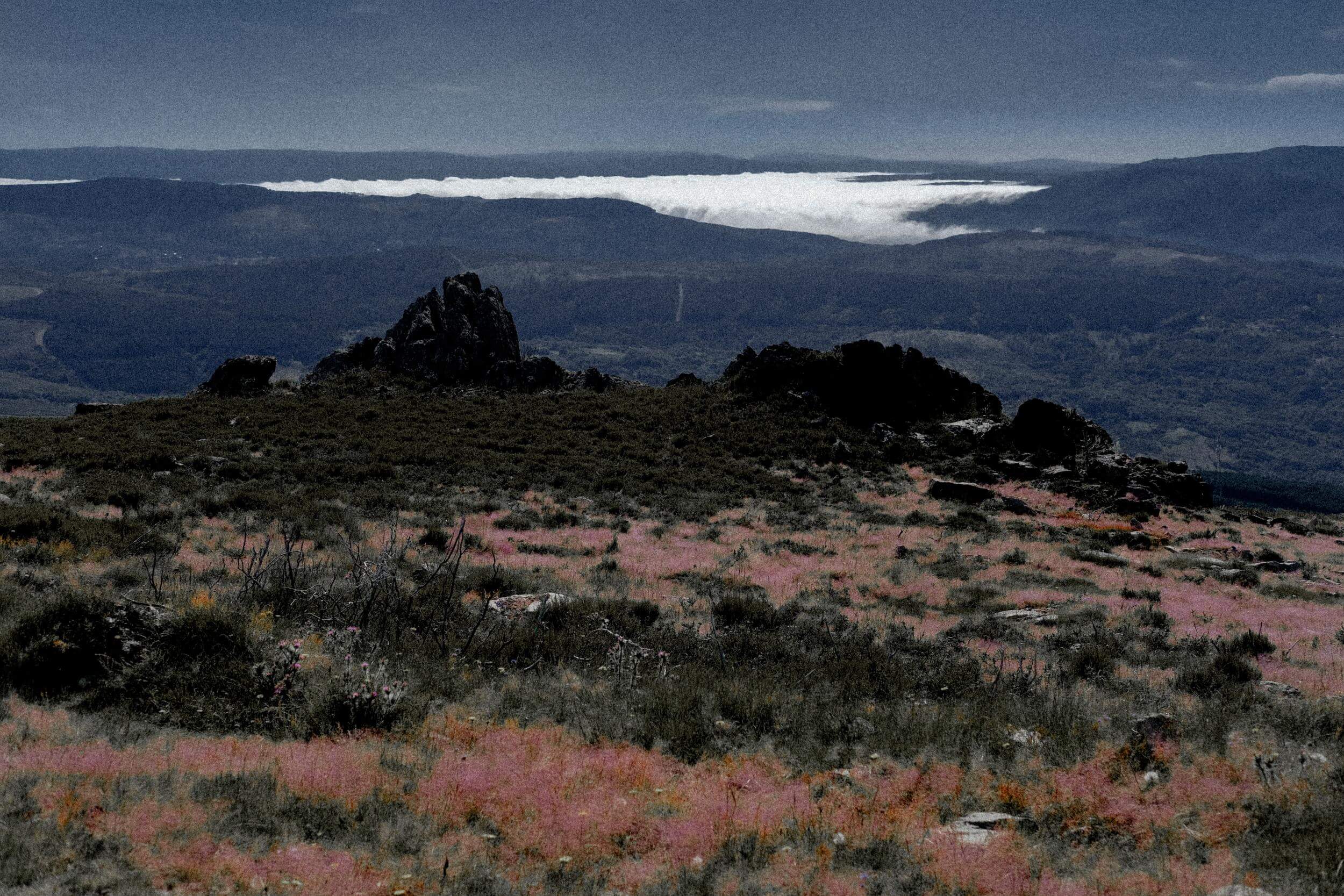
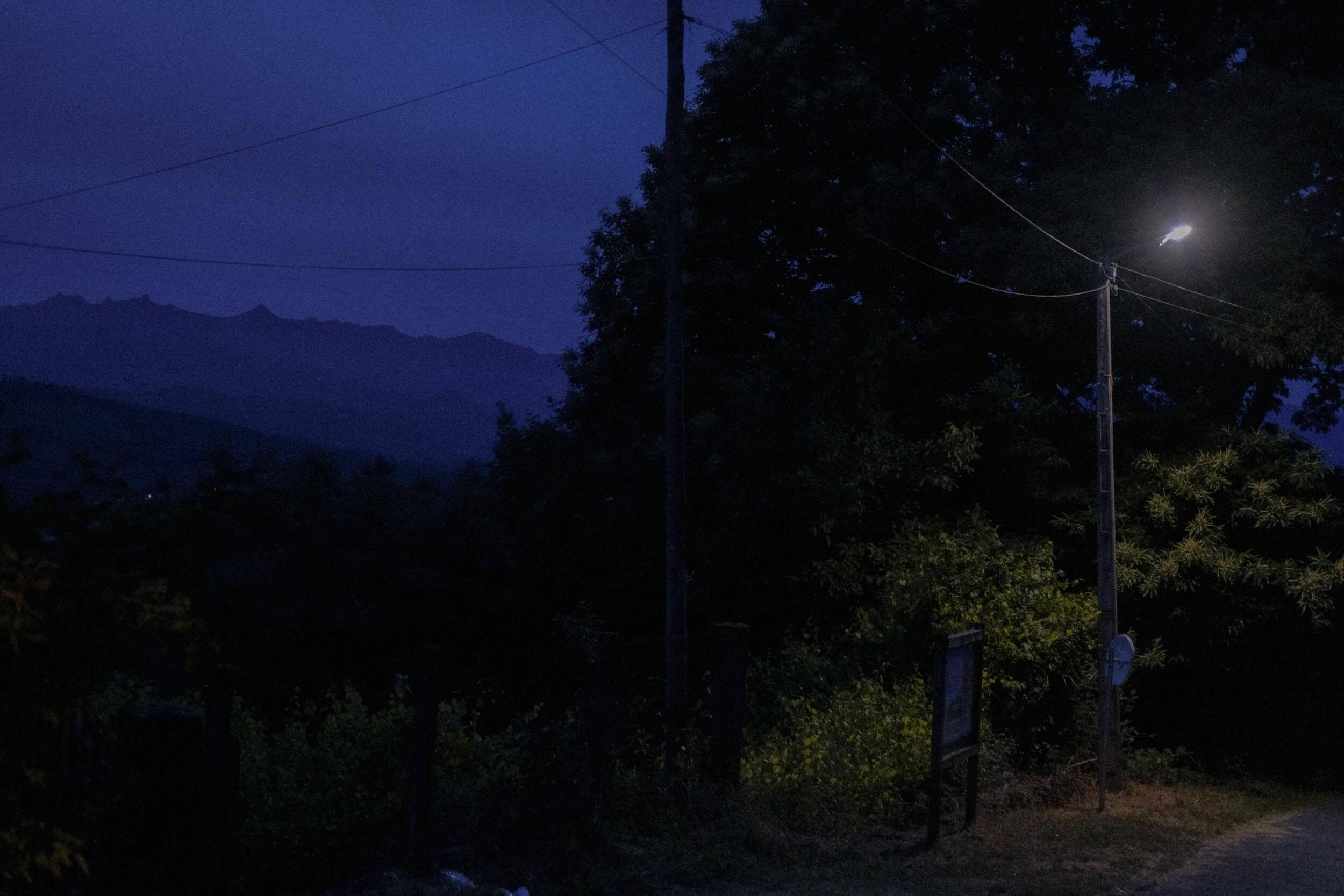
Cotton candy flowers, subtle waterfalls and chirping birds intertwine with each other, as the month of June dissolves before us. This year, the summer carpet unfolds on the top of a mountain, in front of a dispersed Galician landscape, picking up all passengers from different cultural stops, while calling them forth at the exact visionary spot.
Once I arrived back at a place I can call home, I realized what was missing in these last few months. Clarity and content, inner calmness and nothing to demand.
It seems as though everything in our cities is given and yet, we keep getting stuck in the middle of our psychological crossings, feeling pressured to continue on familiar traces within limited spaces. Little do we know, what is sometimes needed is to move with our arms and legs, to crawl, stretch or float in between territorial grounds, leaving behind just a few painted arrows for our minds and hearts to follow. To go somewhere far in order to get close, to step outside, pursuing only our inward compass.
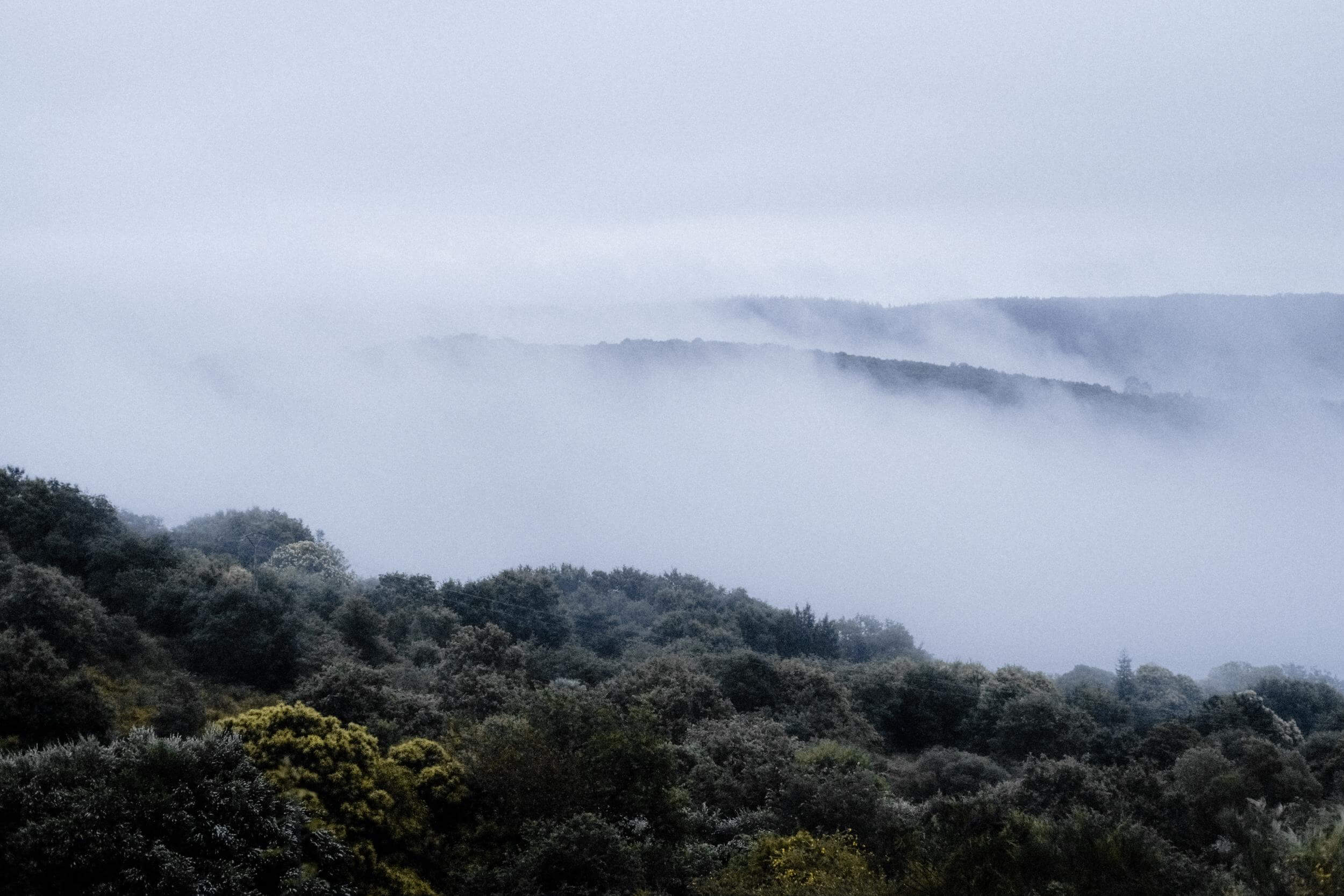
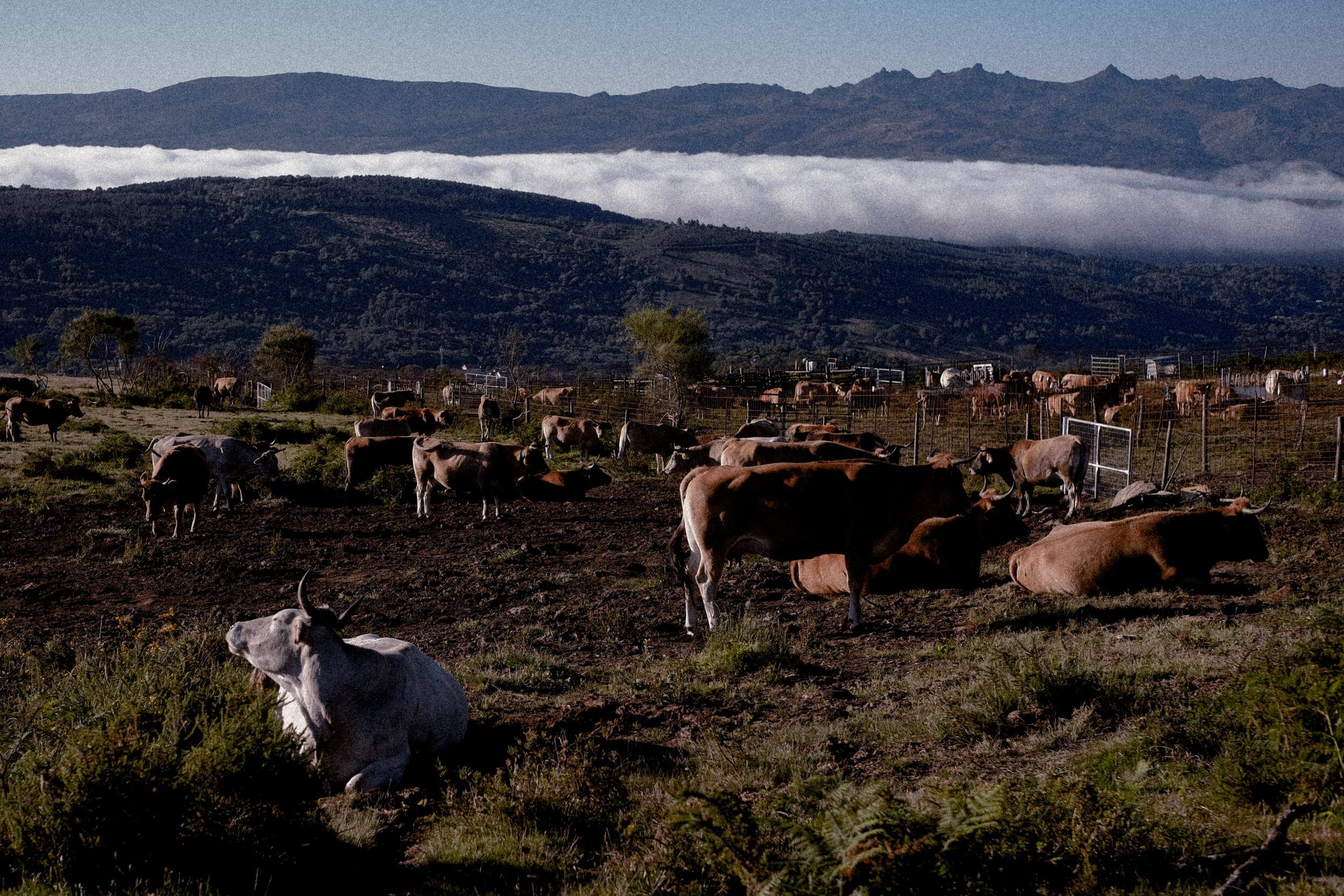
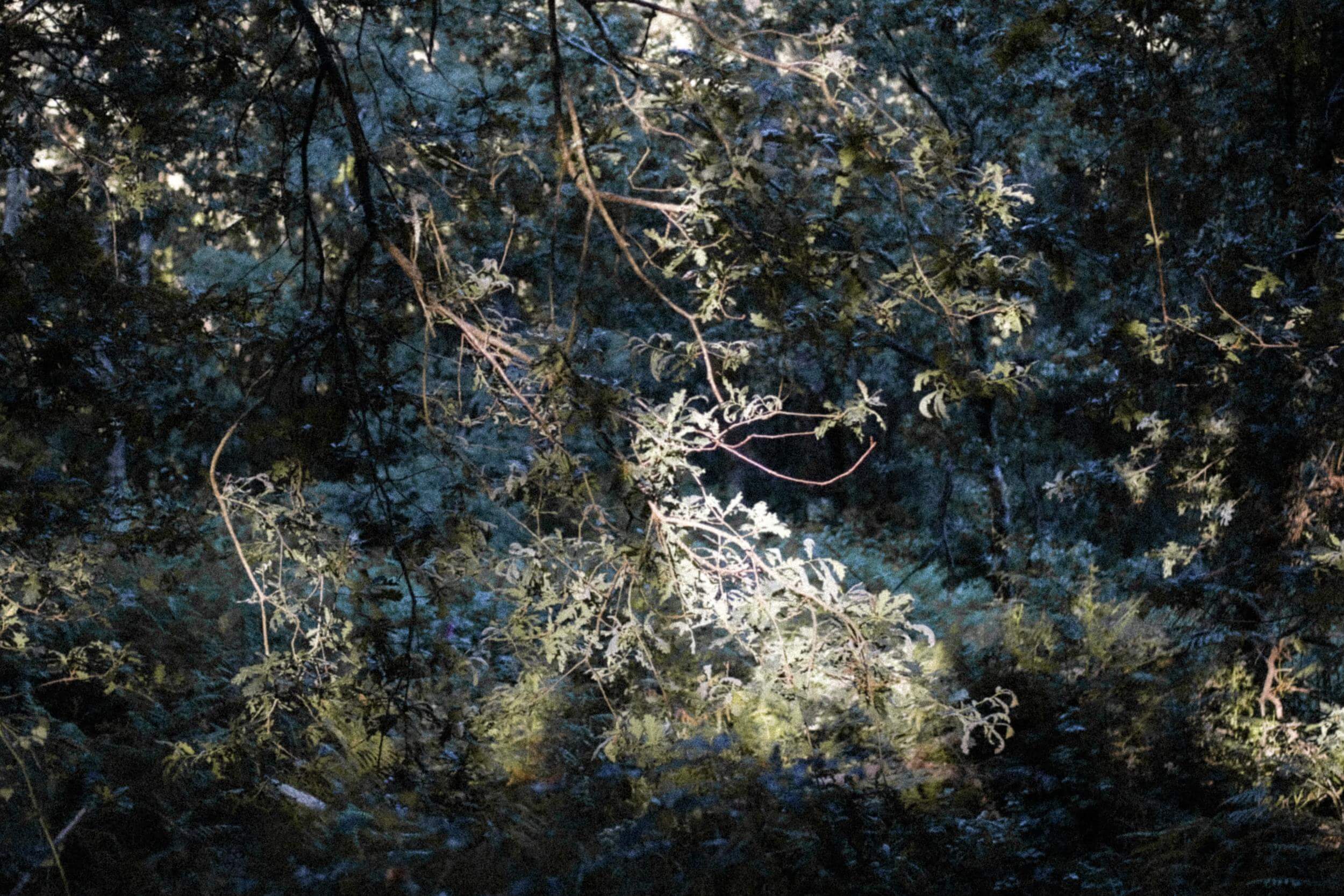
In the midst of the enchanting forest in northwestern Spain, the consistent raindrops fall, melting away the polluted urban fog. Scenic river valleys pour through holes and hidden cat alleys without a pause, whispering the impermanence of life, as opposed to nature’s never-ending sights. Will we listen to the sound they make or to the bells of cows whose future is at stake? Will we recognize the voice of “the pockets of souls” in the coins we throw, when engraved in stones outlives their dread and sorrow? Will we draw the line of division and conquer or finally ease into the untouched Purgatory crossroad?
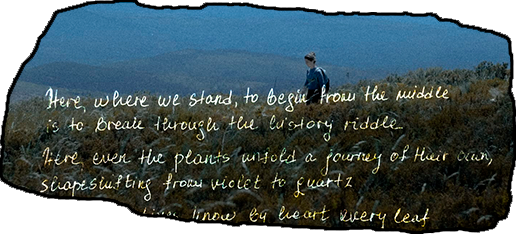
Here, where we stand, to begin from the middle is to break through the history riddle.
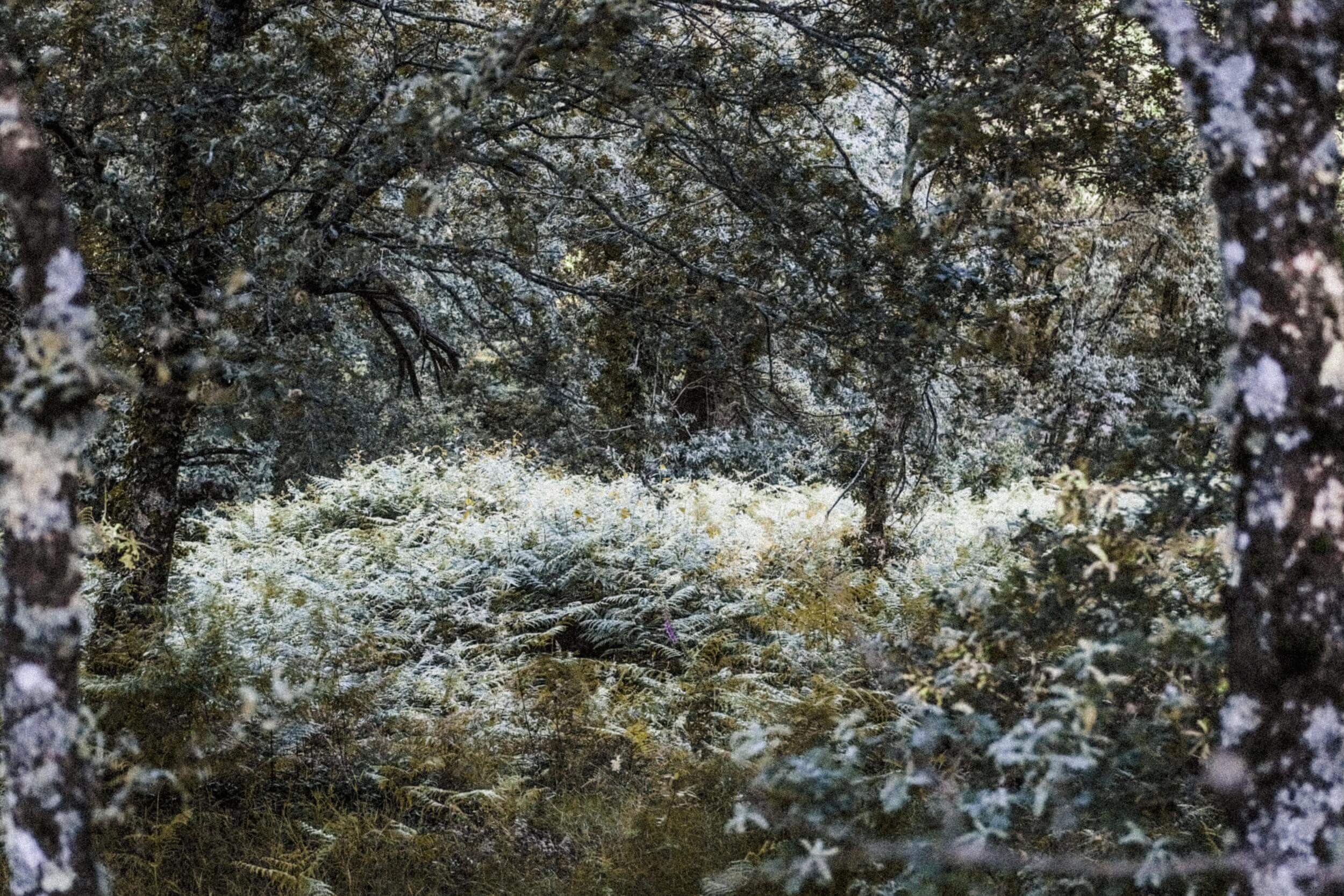
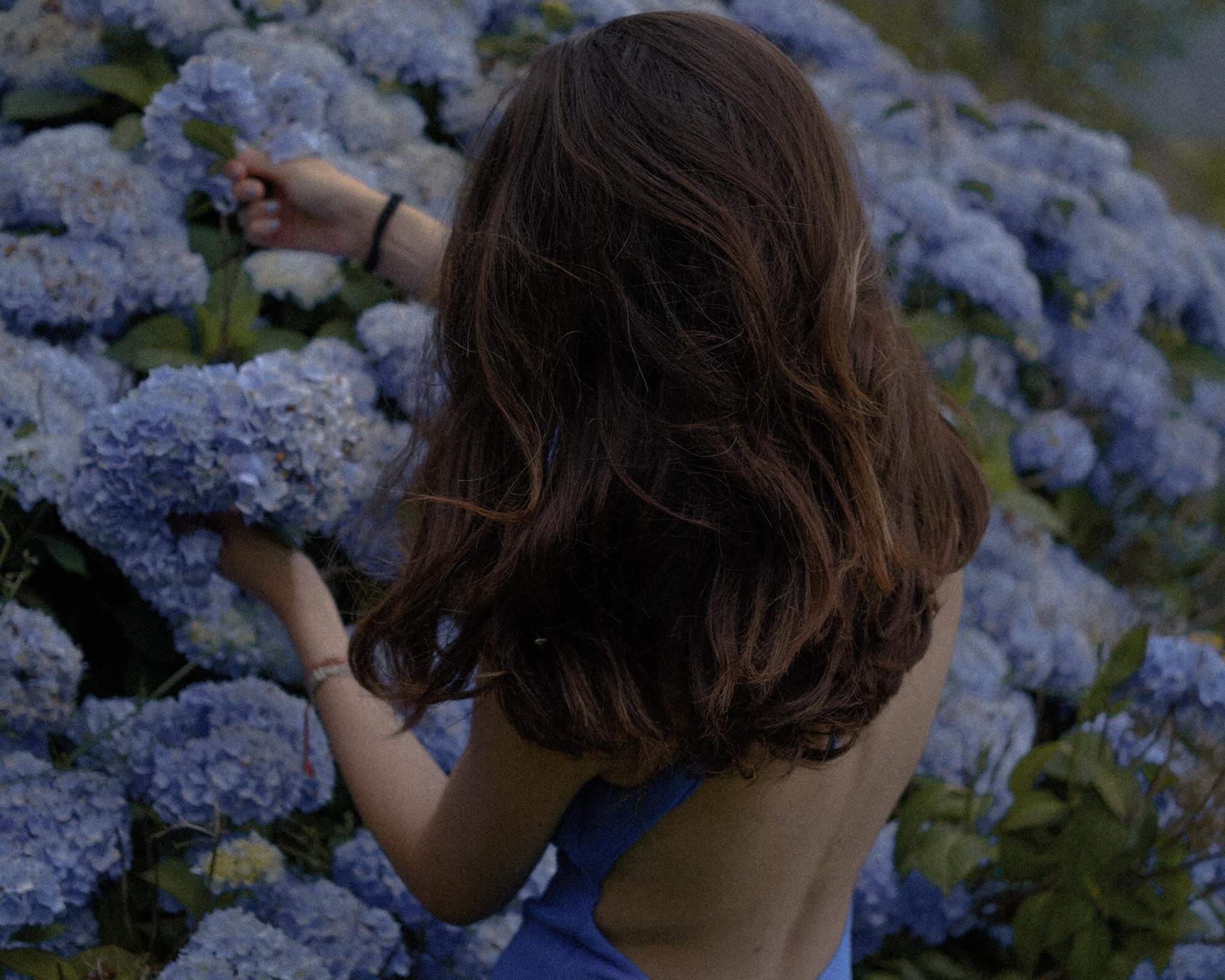
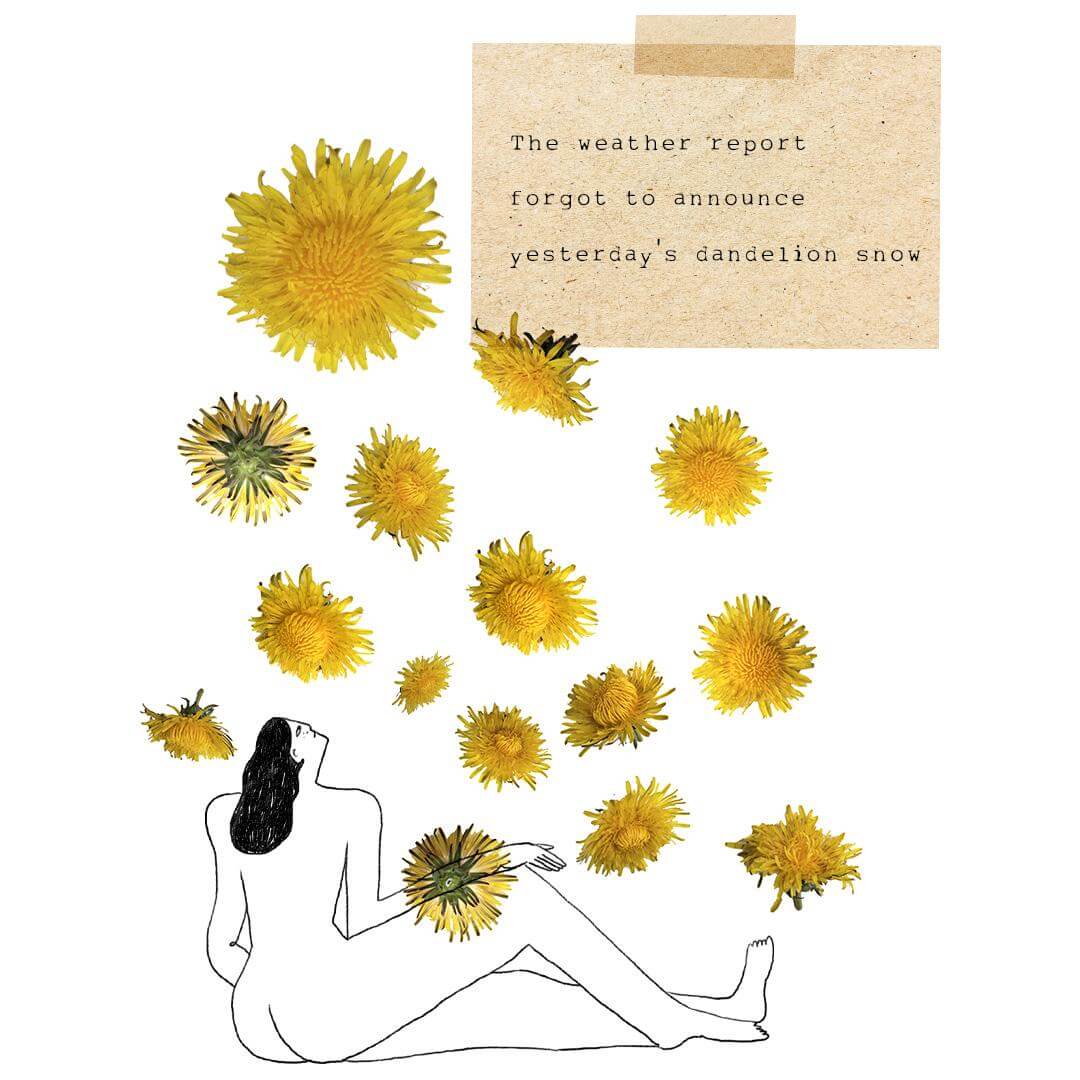
Here, even the plants unfold a journey of their own, shapeshifting from violet to quartz.
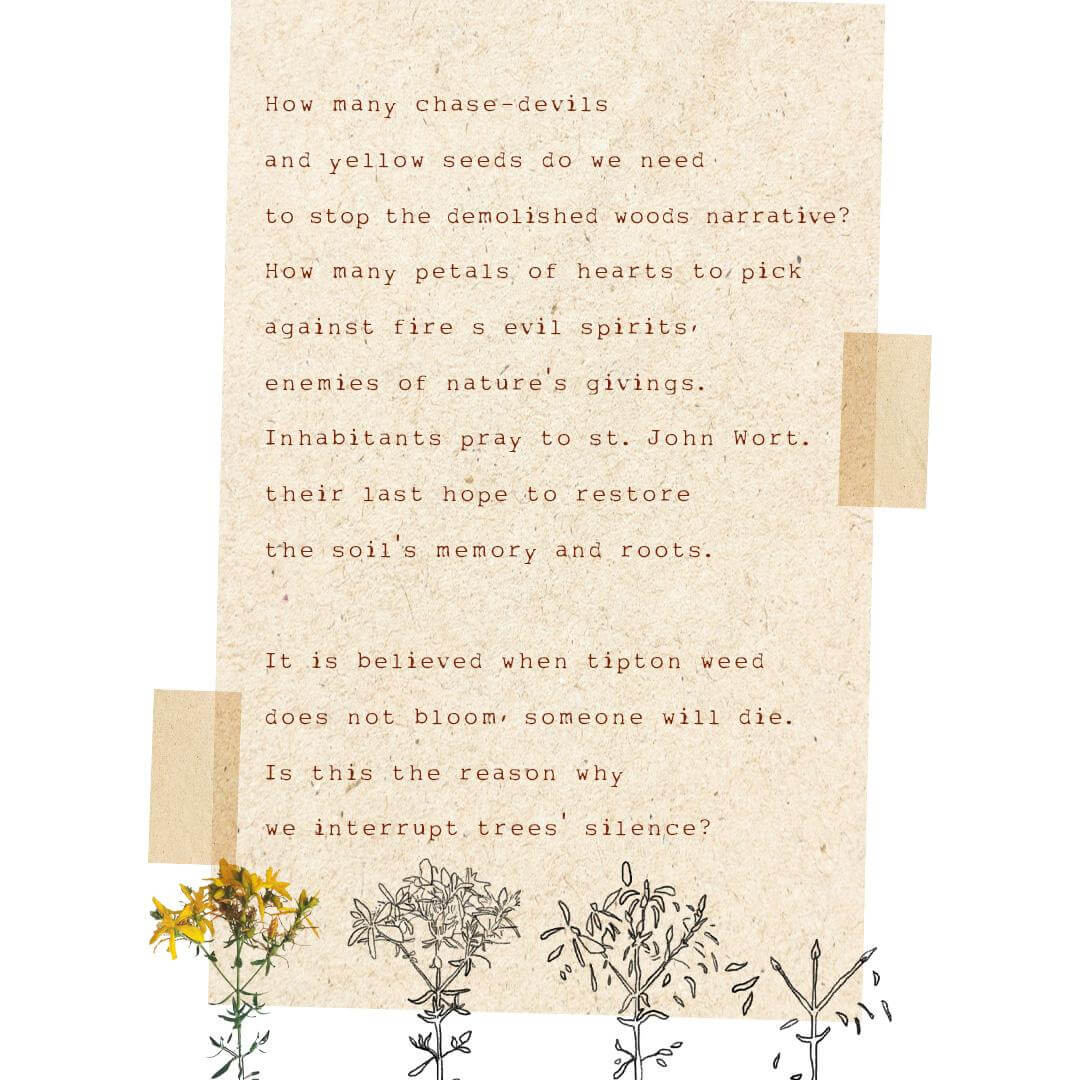
Here, the fire flames seek to withdraw the land's memory and roots.
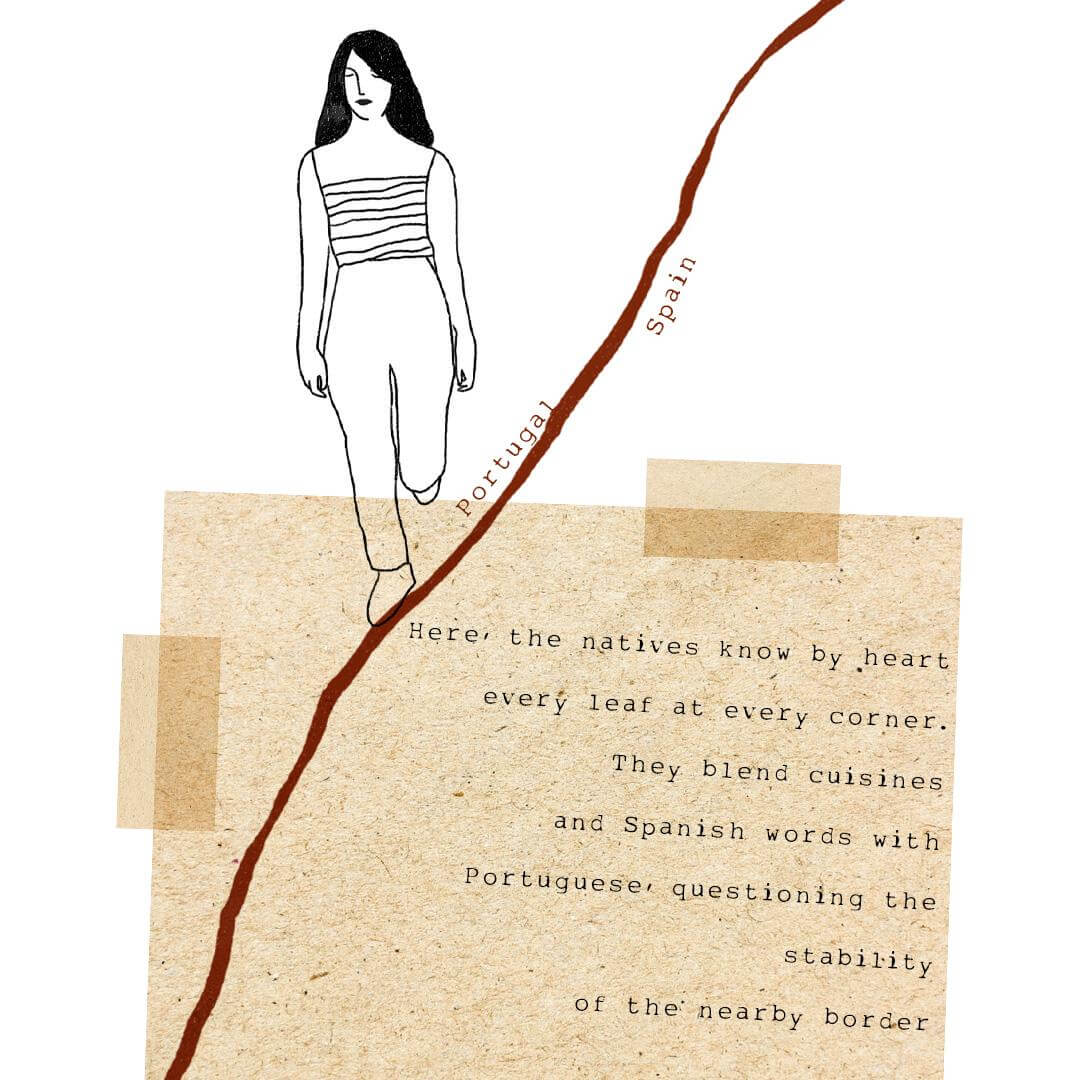
Here, the natives know by heart every leaf at every corner. They blend cuisines and Spanish words with Portuguese, questioning the stability of the nearby border. Their intuition connects with the vulnerability of the weather as rapidly as a curious antenna, catching each thunderstorm in a communicative form.
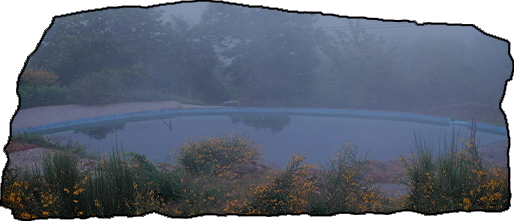
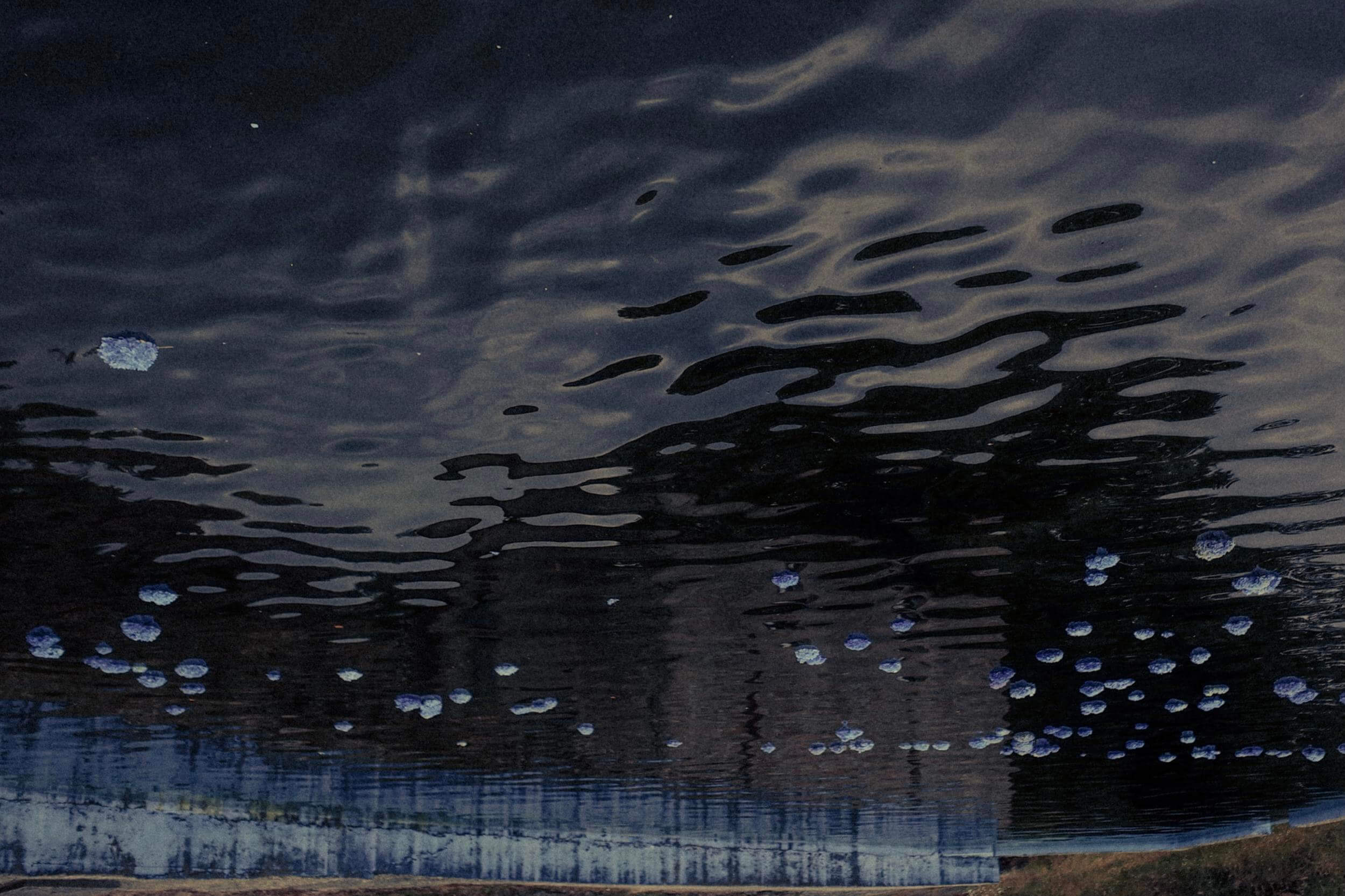
Here, all passengers come and go, transiently as fluid forms, fleeting through solid cornerstone. They splash and swim without touching the inhabitant's strong narrative. They dive their way into the stillness of the wide pool's storytelling. Bit by bit, they learn to speak Gallego through boiling and baking rituals, splitting laughs and sweetened flavors during moonlit sobremesas.
Every traveler brings a scent of his faraway home along the discovery of the unknown road. What is here now, tomorrow will possibly disappear within the misty smog, never facing the harsh cold season.
We will depart with a few new wrinkles on our face, but the spirit of Senderiz remains intact. Nature's cycle continues to persist in the half-time of a football match, capturing the essence of a pale intermediate space, a silent human state. Ideally, the sun and the clouds will make a pact to keep the sky steady and still, until we dare to hear the hushed tone of Galician locals who embrace each smile and tear with their fellow animals, rocks and rivers.
2.
Once, I impatiently ran to the city park to eat from a branch, a cotton candy cloud. I changed its shape with my sticky fingers, imitating the floating fluffy figures in the sky. Now, I imprint delicate fragrances on swimming pool walls with the long forgotten pink color. I freeze the sweet taste of blossom between my tongue, since I cannot afford to lose another memory frame of a happy childhood day.
3.
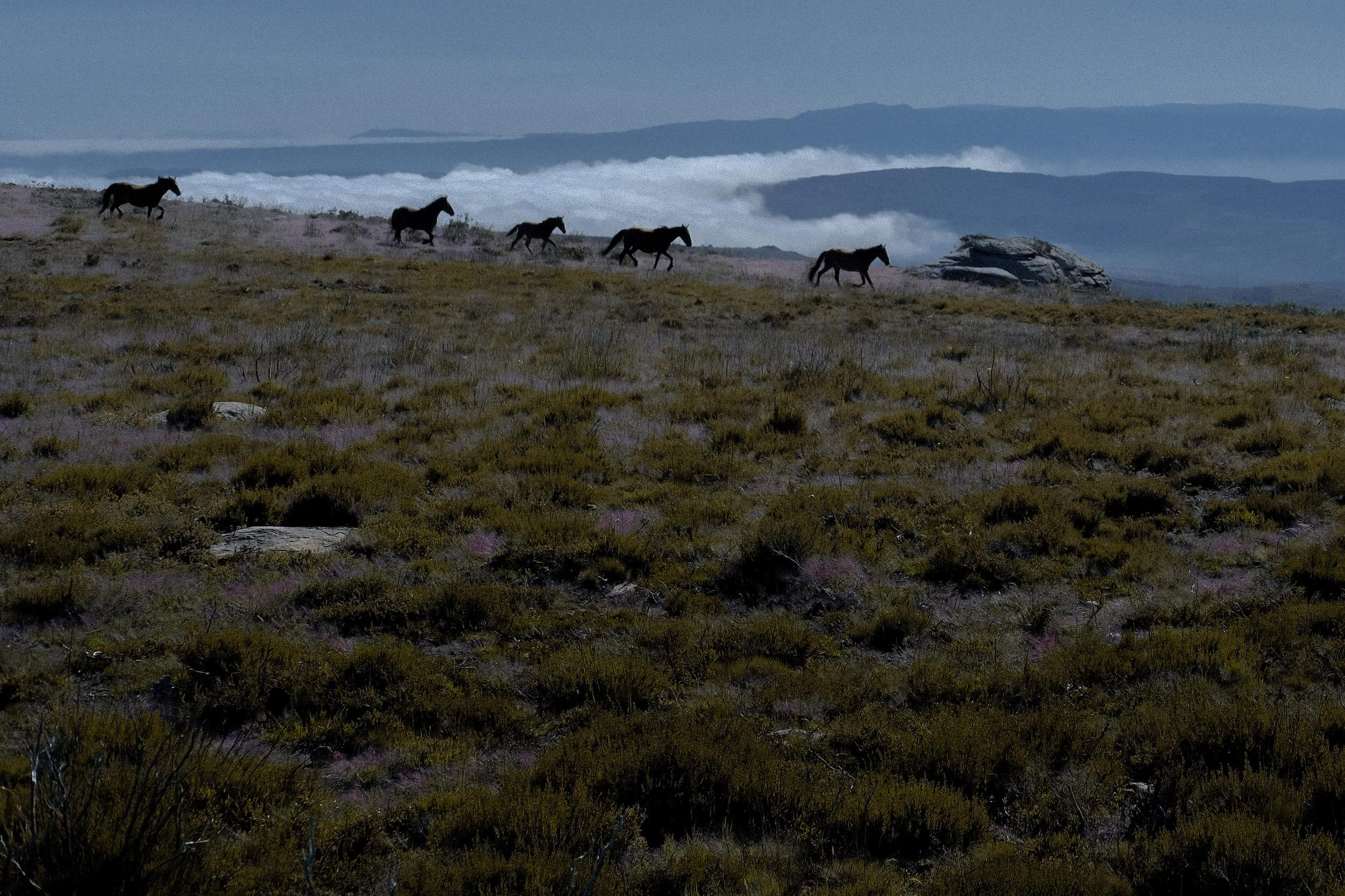
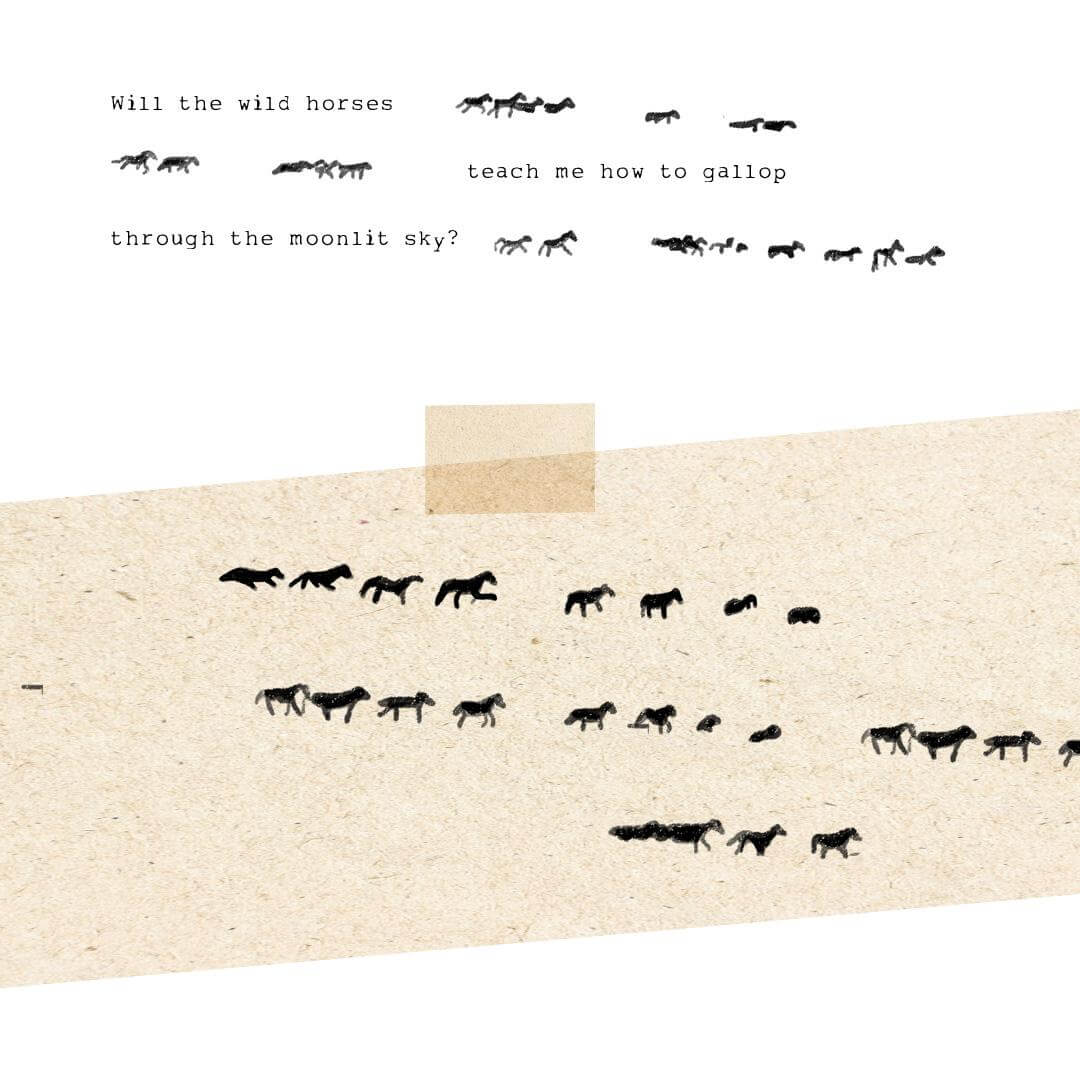
Will the wild horses teach me how to gallop through the moonlit sky? Will their stubborn hoof erase the harsh pencil lines I drew as a child? Will I dare to touch the sunburned mane, as it lifts the weight of each human pound?Will my body learn to swing above this mine's hop, riding within the cloudless atoms?
4.
Cotton cloth veils my sightwhen I step within the Gossypium tribe.Silvered whispers of Rosaura’s shadepass through invisible pain and dread.
Village folks hid behind Hydrangea sills,dispelling ghostly malice and future uncertainties.
Marija Zelenkovska
Nature’s Subtle Essence
Nađa Stanišić
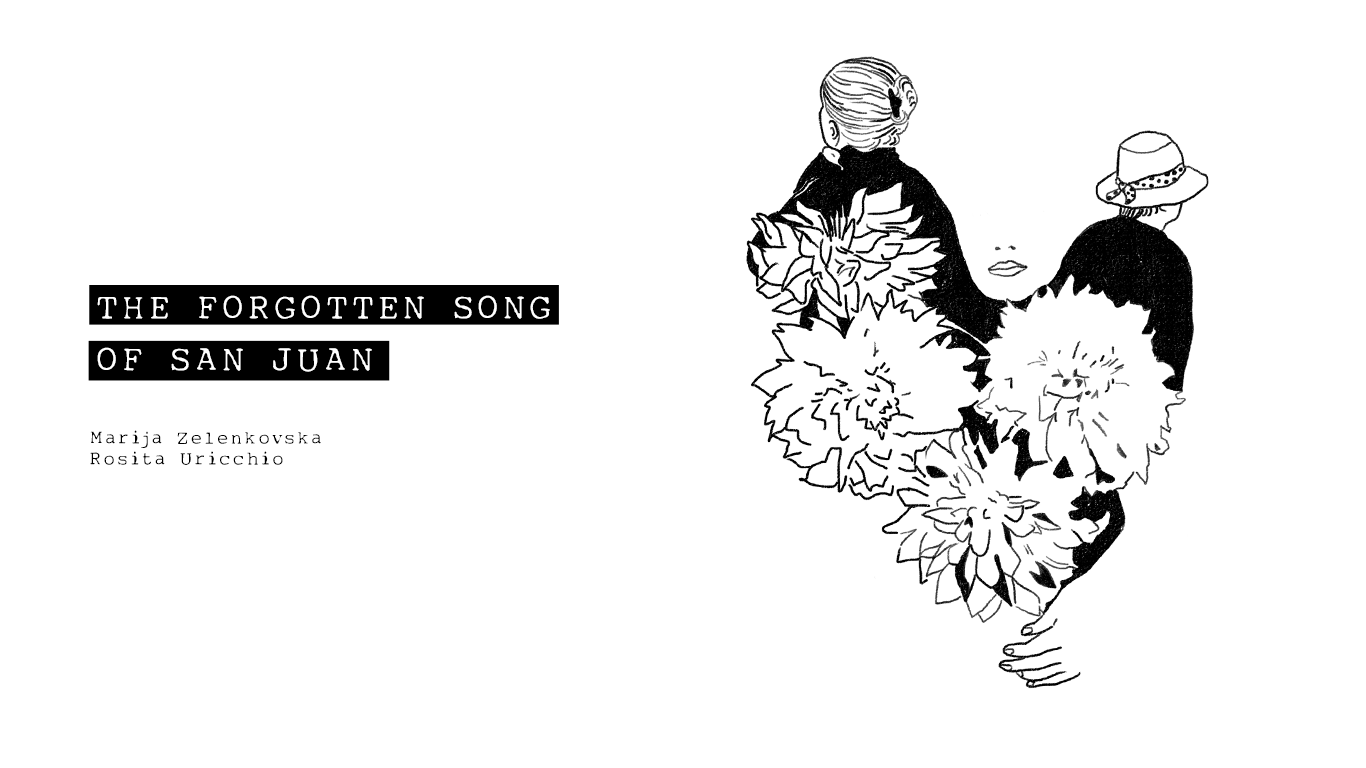
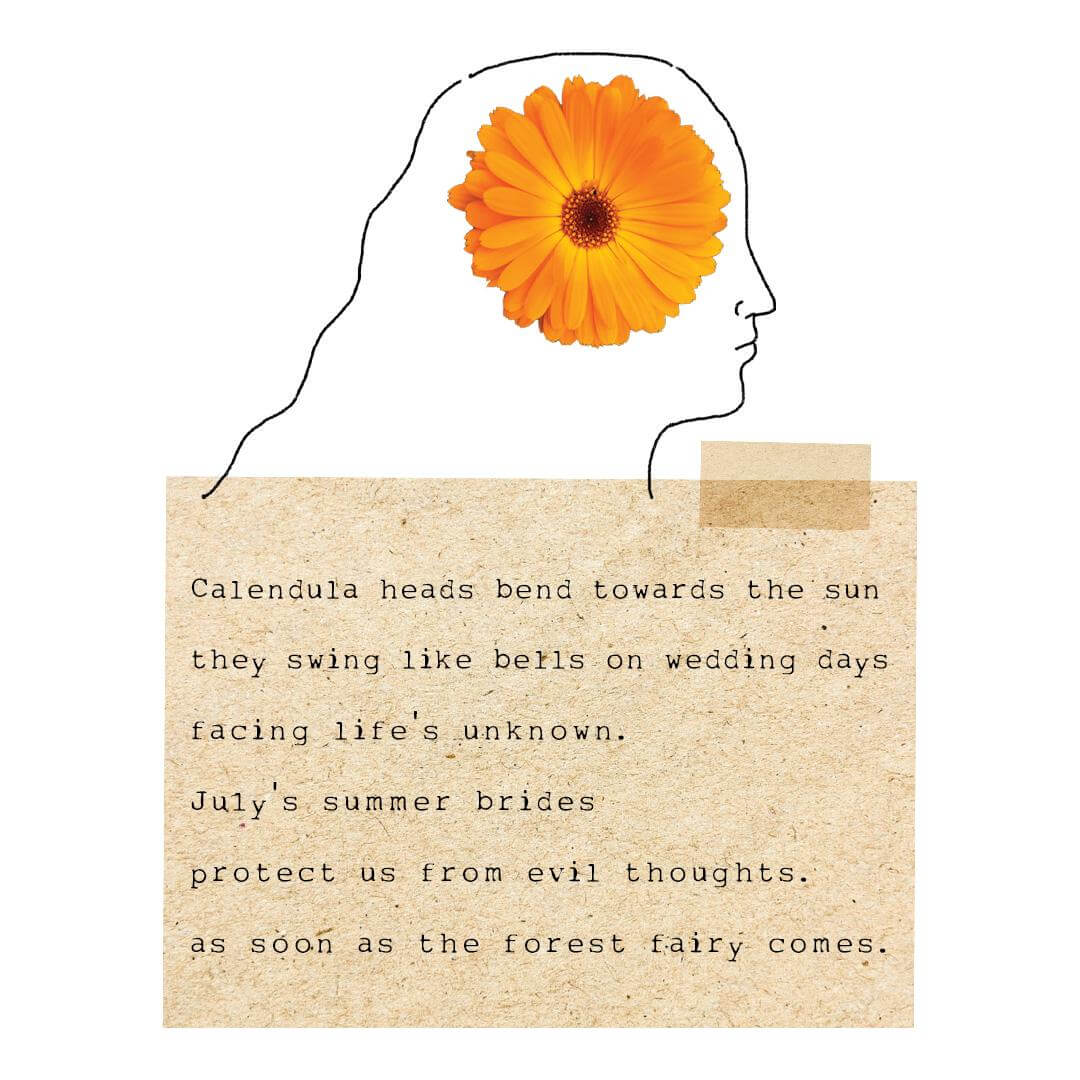
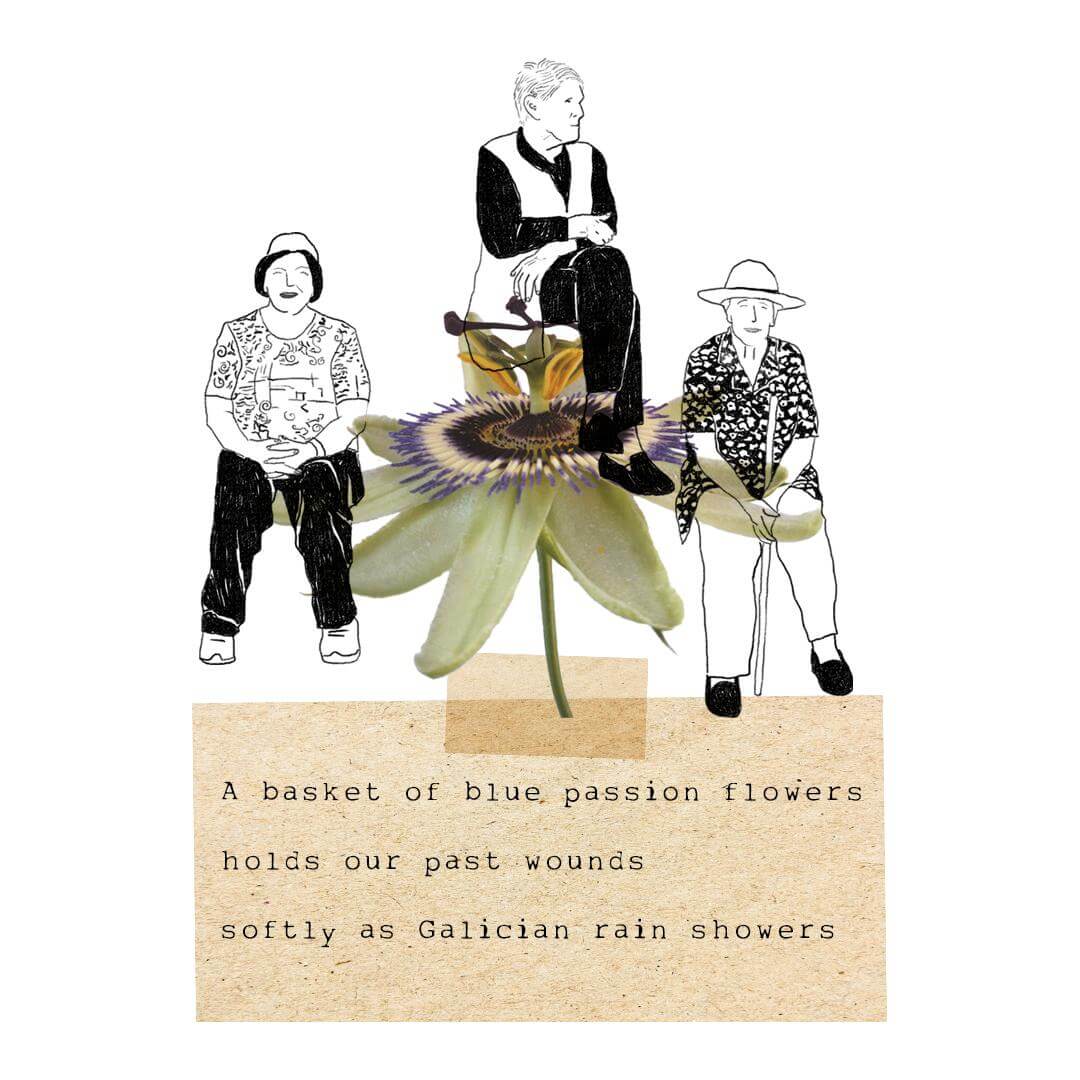
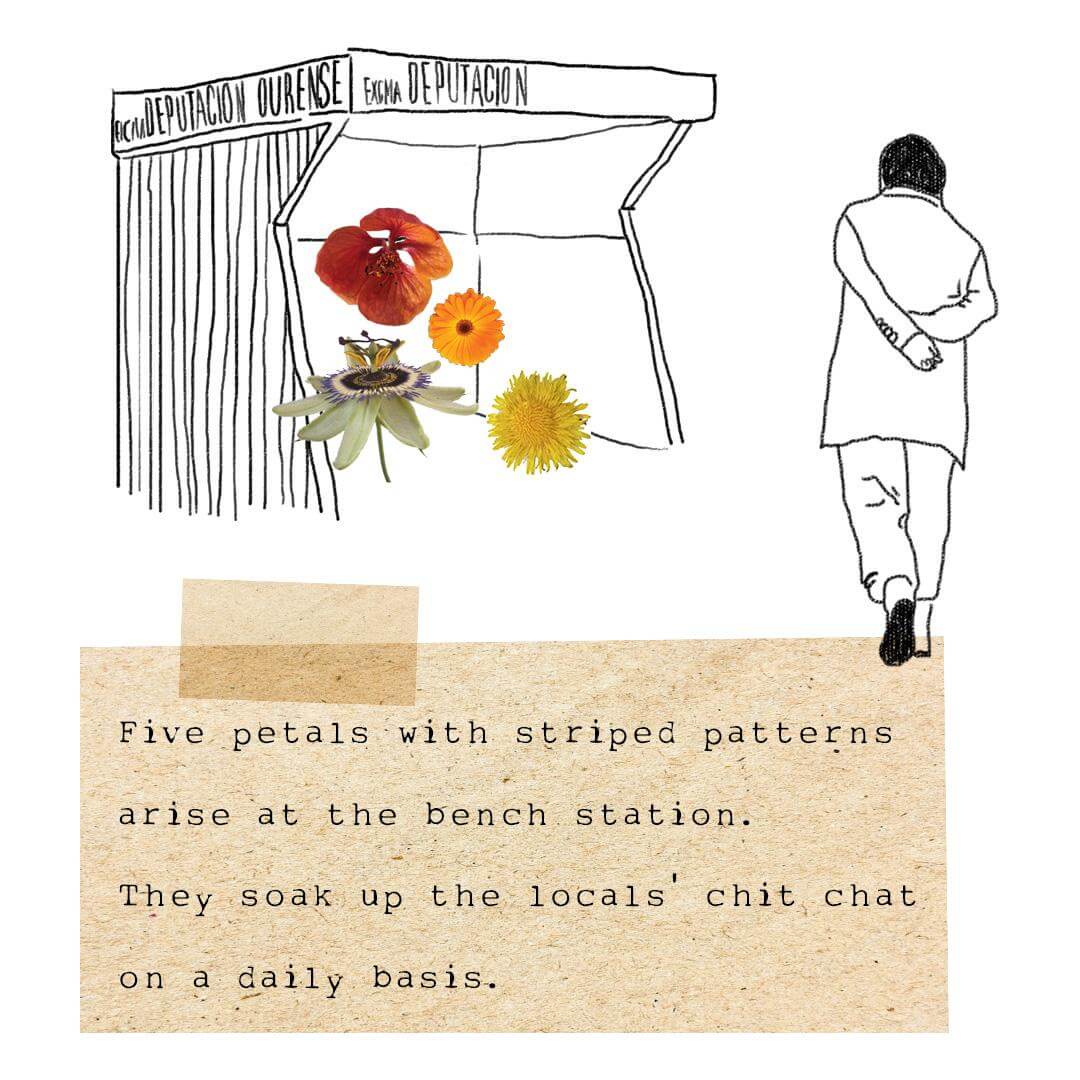
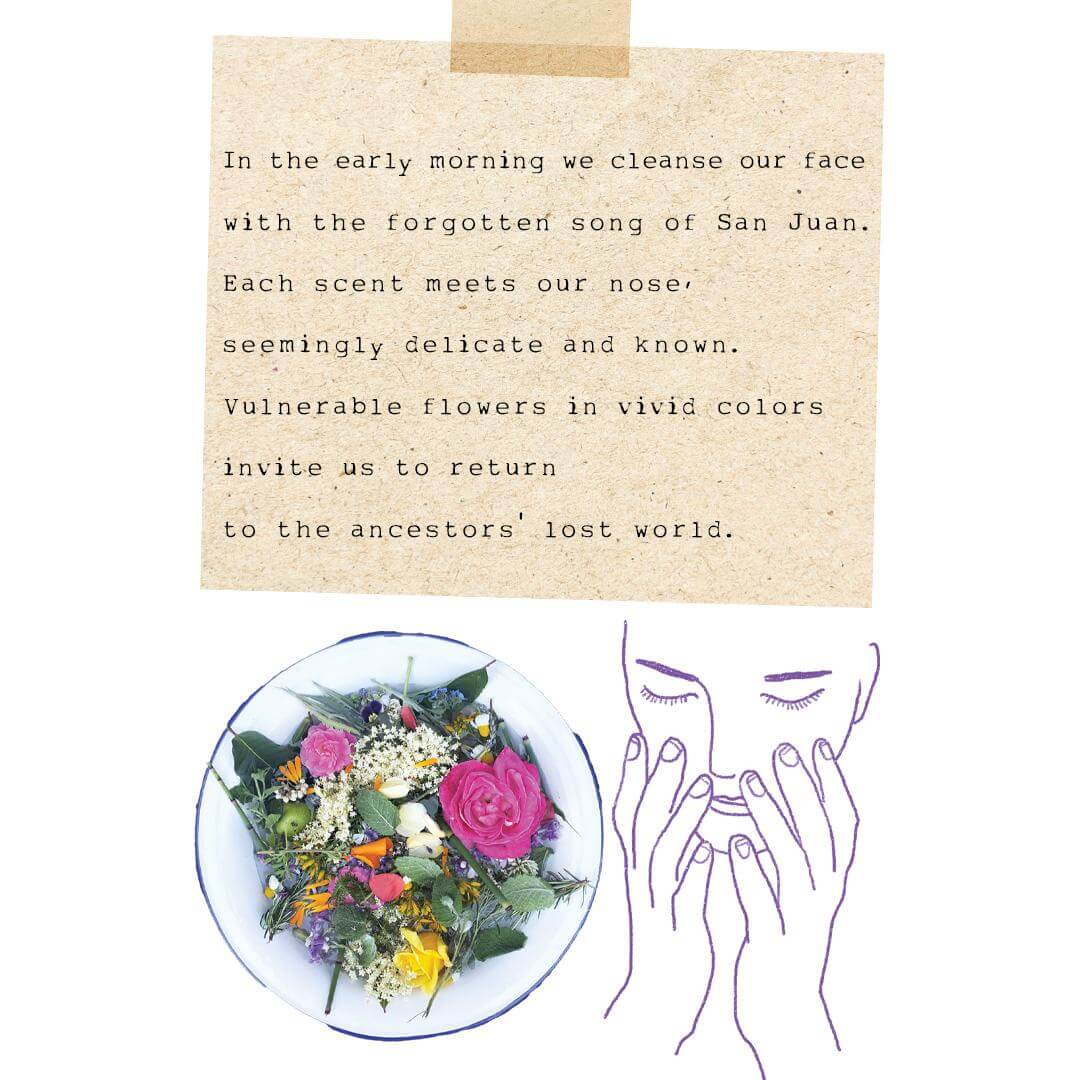
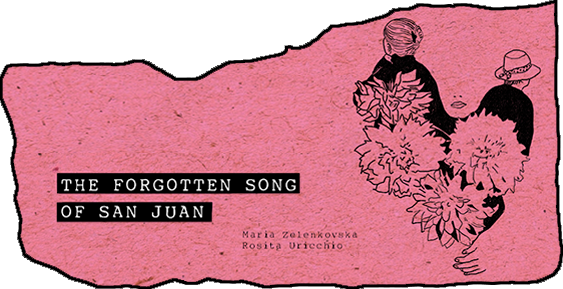
The Forgotten Song of San Juan
Marija Zelenkovska
Rosita Uricchio
The Signal
Nemanja Knežević
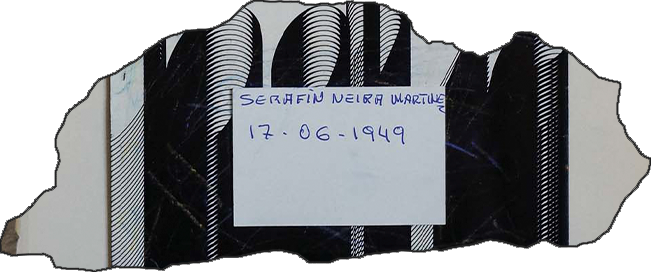
This work is a tribute to the man who brought radio and TV signals to this part of Galicia. His name is Serafin Neira Martinez, but he is known as Finote. Born in 1949, the same year the nearby dam in As Conchas was completed, Finote has spent his life bridging the gap between his secluded village and the wider world. During the same year, the fascist dictator Francisco Franco, came to this small town to inaugurate the dam after seven years of construction.
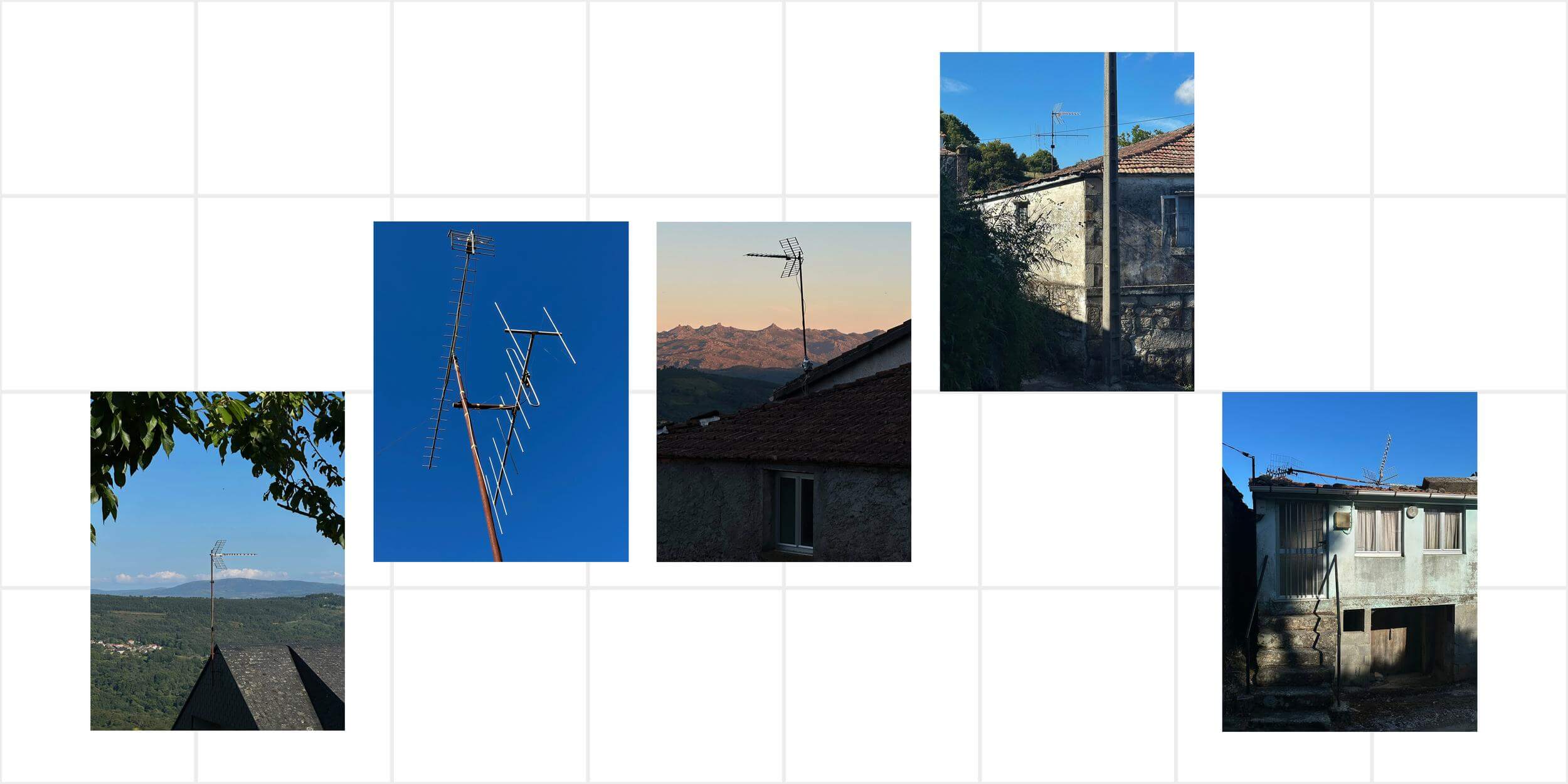
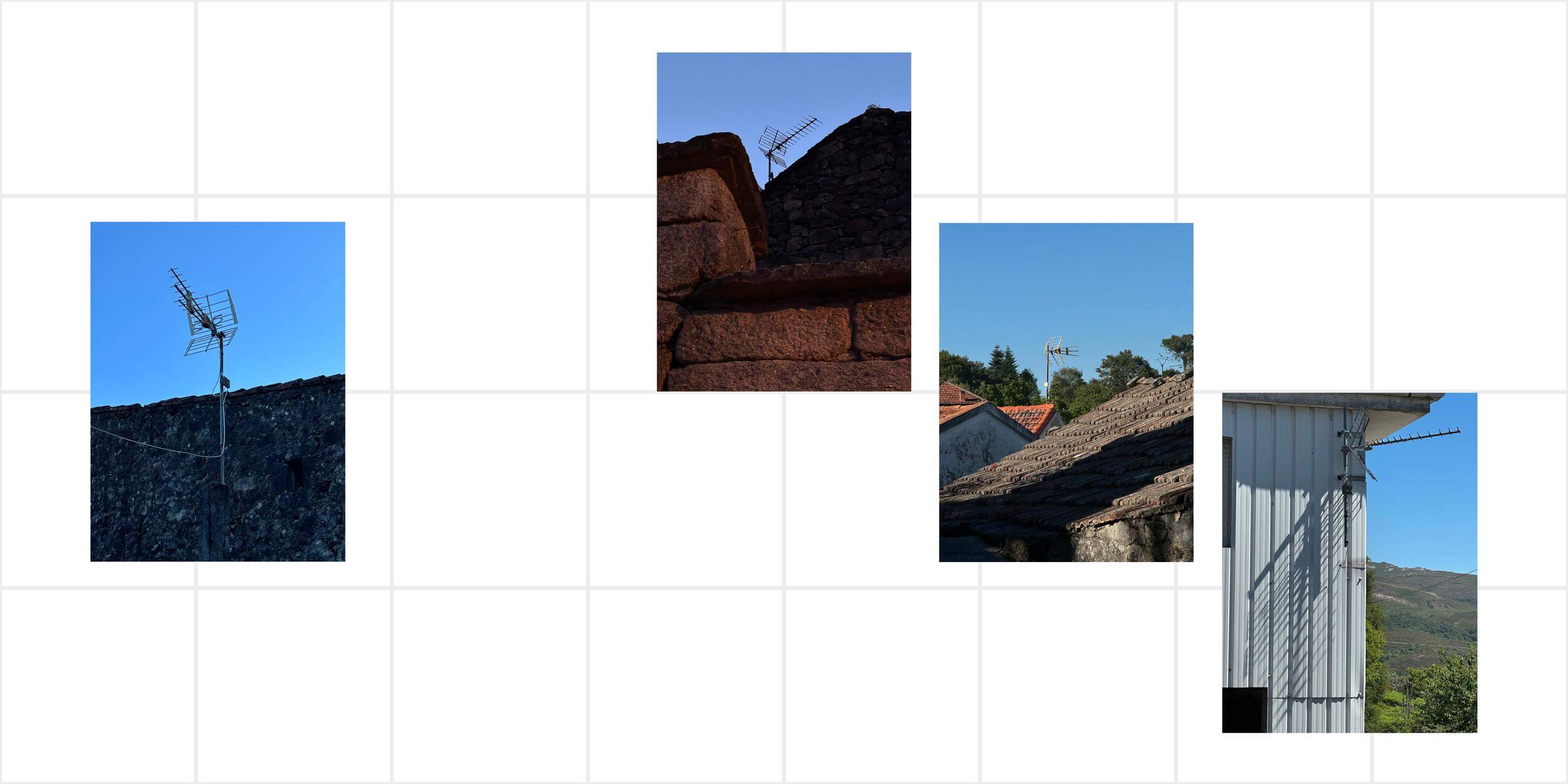
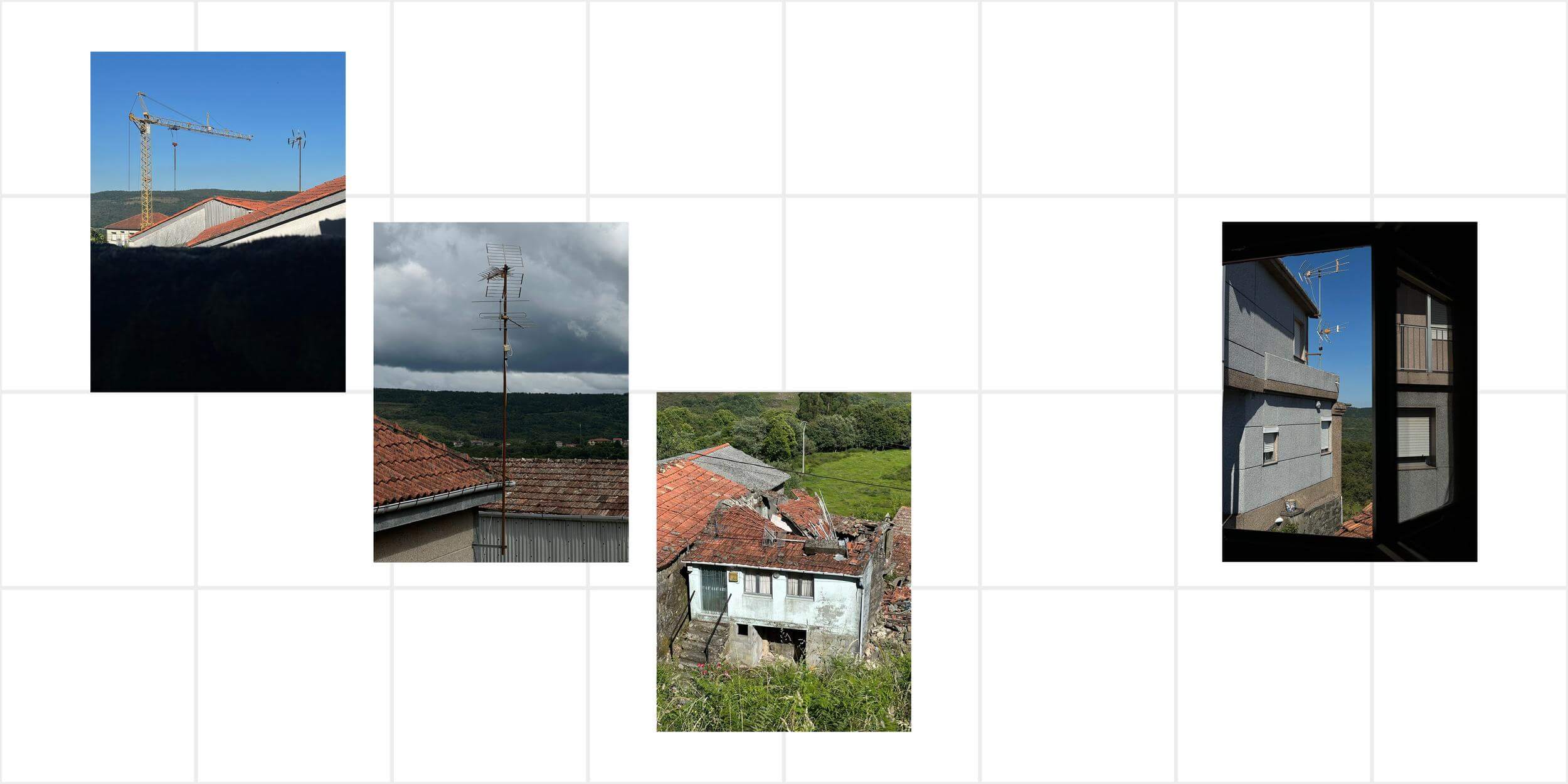
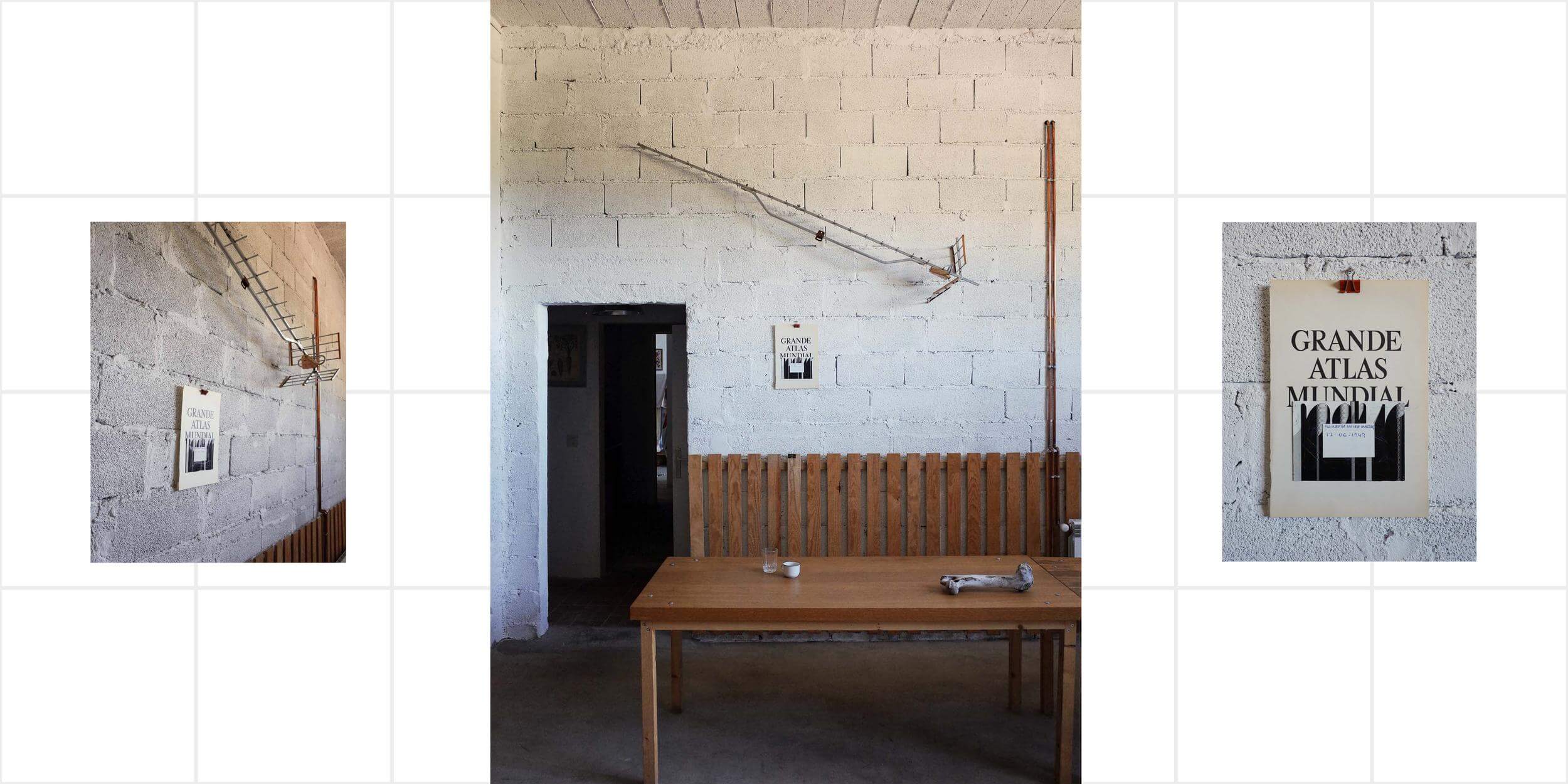
Growing up in the shadow of the newly built dam, Finote’s curiosity and determination set him apart. After finishing primary and secondary school, he pursued his studies through correspondence, receiving books by mail to his village. This unconventional education prepared him for a career that would shape the lives of his neighbors and friends.
Finote’s journey began with the introduction of radio signals to every village in the region. Later, he embarked on the ambitious task of bringing television into homes, a groundbreaking achievement for this isolated area. To make this possible, Finote installed antennas in every household that could afford this modern marvel. It’s hard to overstate the significance of this; for many, television was the first window to the outside world, connecting them through images and sound to places they had never imagined.
Understanding the isolation of the border region between Spain and Portugal, Finote knew that his work was more than just a job. He became a lifeline, physically installing antennas on countless rooftops, and in the process, building lasting relationships with the families he served. As he recalls, the work was demanding, involving treks to high mountain antennas for repairs and battery maintenance to ensure the signal reached every corner of the area.
Despite the challenges, Finote’s passion for his work never waned. Today, even as age has slowed him down, he continues to maintain these vital connections.
In the latter half of the 20th century, the signal Finote helped bring to Galicia transformed from television signal to internet connections. This evolution has been crucial for places like Sende, a coliving space that relies on robust internet connectivity. Inspired by this transformation, my work delves into the importance of connectivity in rural areas, exploring how it has evolved and how the local population has adapted.
In our increasingly connected world, ensuring access to communication is more important than ever. It encourages people to visit, stay, work, and live in these remote regions.
I am deeply grateful to Serafin for his willingness to meet with me, share his life story, and provide insights into his lifelong dedication. His commitment has been the foundation of the antennas that sparked my initial inspiration. The act of photographing these structures has enabled me to gain a deeper understanding of the universal urge to connect with others. The diverse array of antennas, rooftops, and houses, set against the backdrop of the Galician landscape, struck me as sculptures of great significance.
Alongside the photographs, I created an installation at Sende coliving. It features an old antenna from one of the old houses, appropriated, adapted and placed within the coliving space. The installation also includes a collage made from materials found in an old atlas, a page from a Spanish Vogue, and Finote’s handwritten business card, complete with his name and date of birth.
This artwork is a tribute to Finote’s legacy and the profound impact of connectivity in rural life.
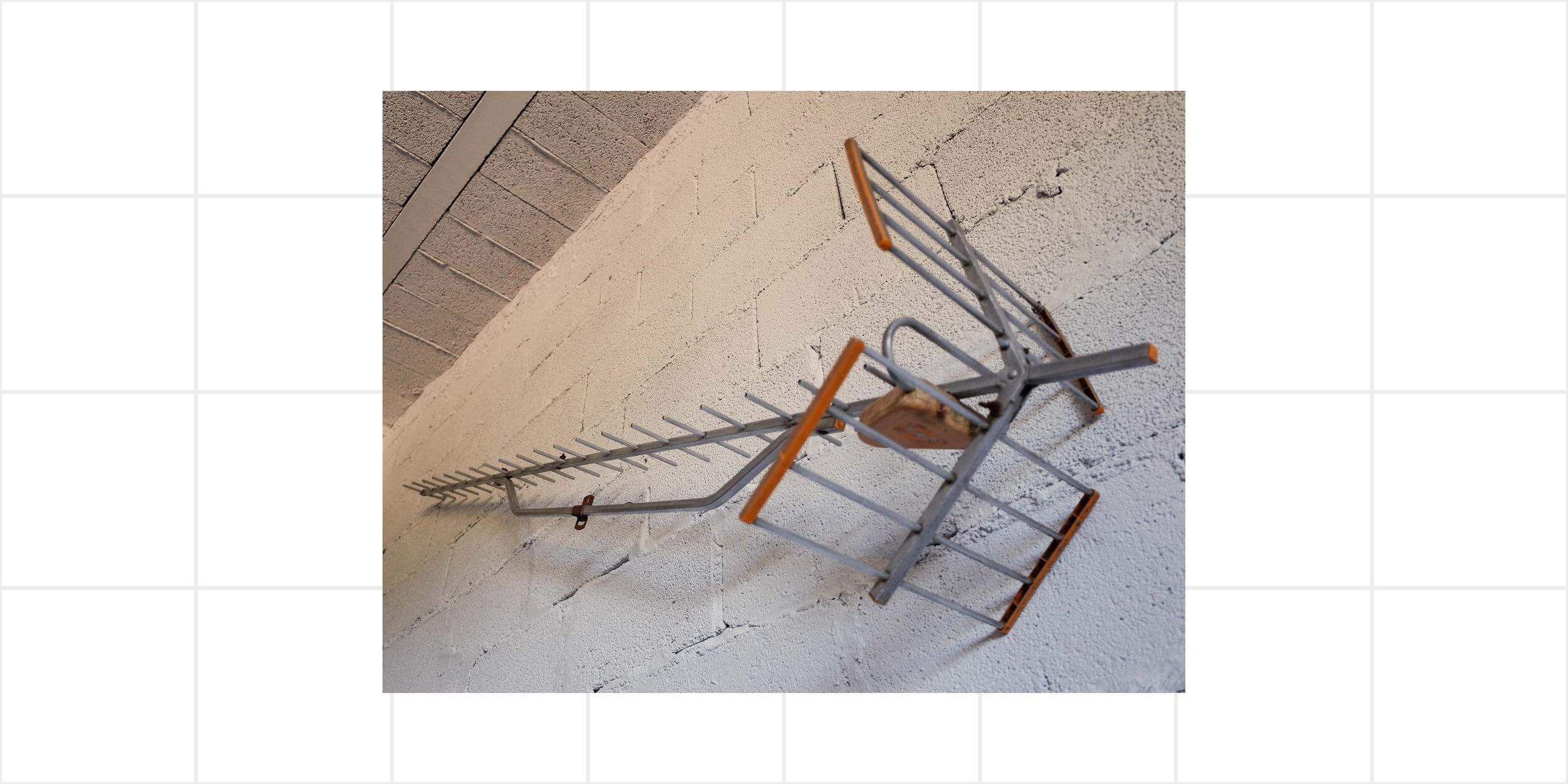
This work wouldn't be possible without the enormous help from the following people, which I am forever grateful for. María, Edo, Luis, Candido, Saša, André, Admir, Antonio and Lola
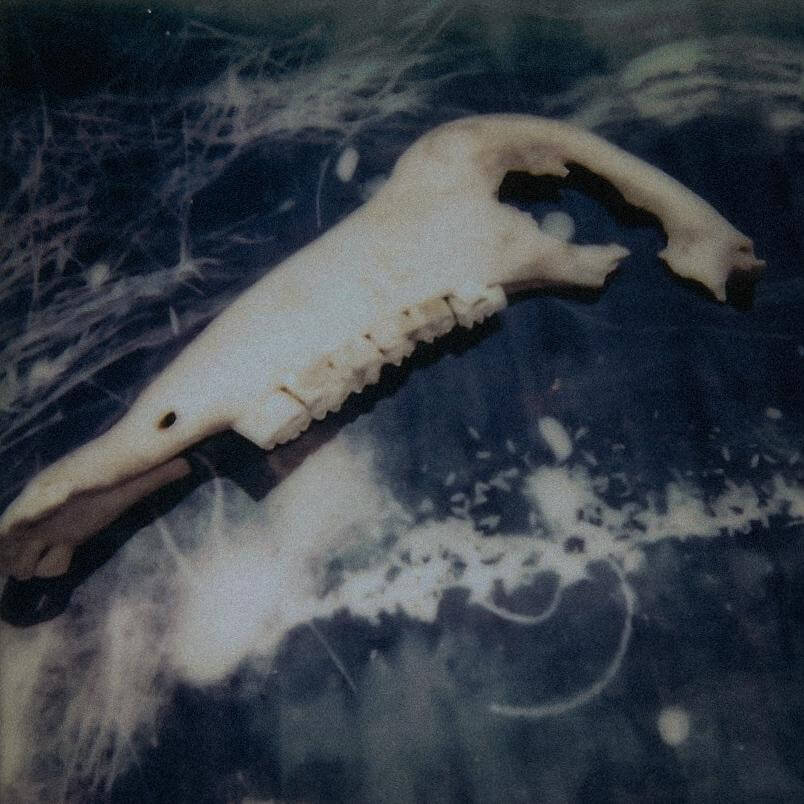
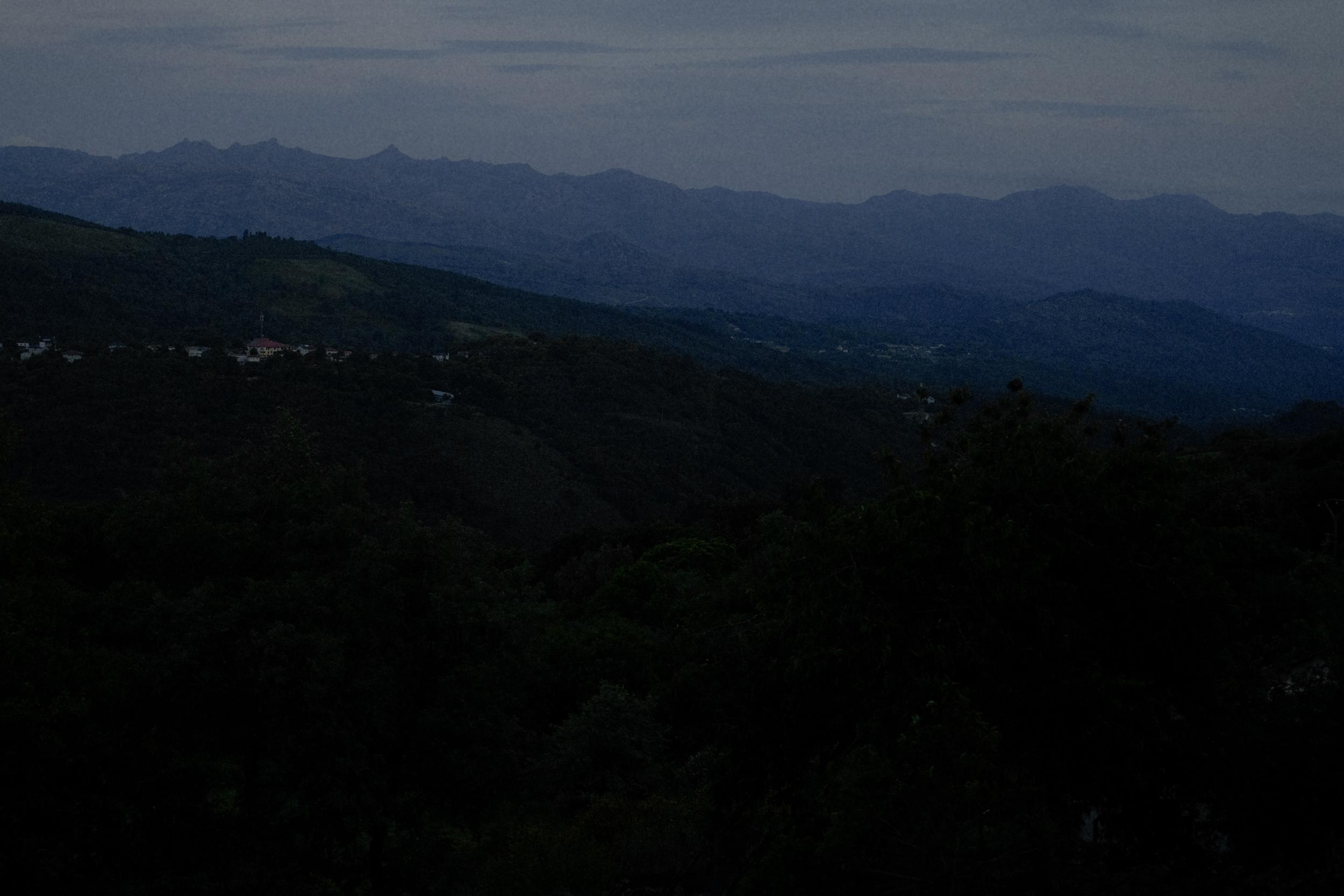
Lunar Orbiter Landscape
Nađa Stanišić
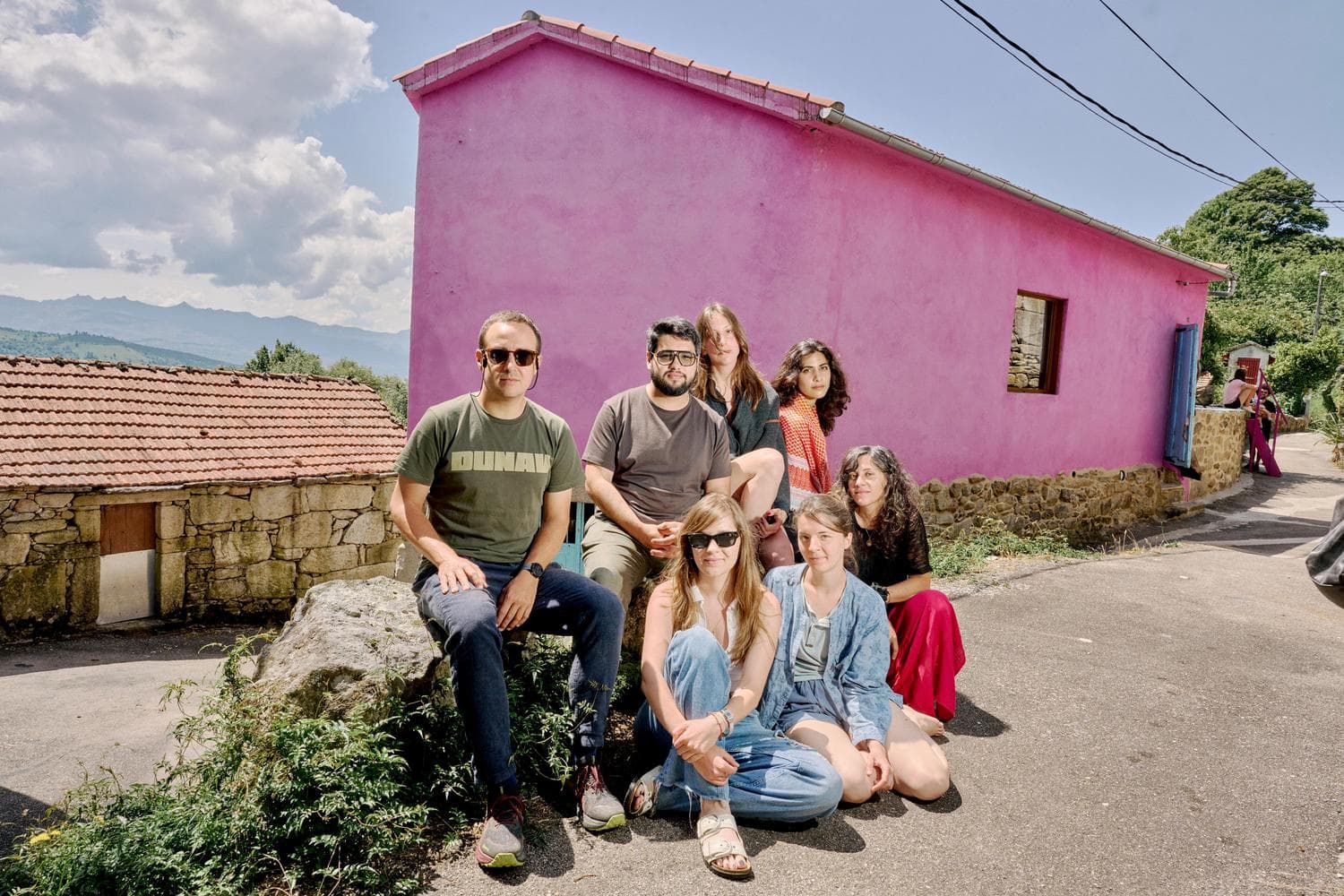
Nemanja Knežević, André Araújo, Nađa Stanišić, Layla Odeh, Aleksandra Čereković, Marija Zelenkovska, Rosita Uricchio
Photo by Alejandro Camba / La Voz de Galicia
How the rural can be revived by preserving and celebrating cultural heritage?
In order to tackle this question, Sende gathered five artists for a one-month-long residency in a 20-inhabitant village in Galicia, Spain.
Although coming from different countries and different realities, with different professional backgrounds, the artists embraced the collective creative process, not only to discover the physical artifacts in the forgotten paths of the area but also to unravel the tangle of untold stories and memories.
The transition from individual to collective focus was the greatest challenge, ultimately enriching our artistic expressions and bringing Senderiz's cultural heritage to life in new ways.
- Nemanja Knežević
Participating artists and cultural professionals:
André Araújo (@araujazz), PT
Layla Odeh (@lejlaao), SRB
Marija Zelenkovska (@mzelenkovska), NMK
Nađa Stanišić (@nadjaoccean), MNE
Rosita Uricchio (@rosita.uricchio), ITA
Mentor:
Nemanja Knežević (@nemanja.knezevic), SRB
Production:
Aleksandra Čereković (@soshizo), SRB
This residency was made possible thanks to Culture Moves Europe, a mobility scheme funded by the Creative Europe program of the European Union and implemented by the Goethe-Institut.
July 2024


This work was produced with the financial assistance of the European Union. The views expressed herein can in no way be taken to reflect the official opinion of the European Union.