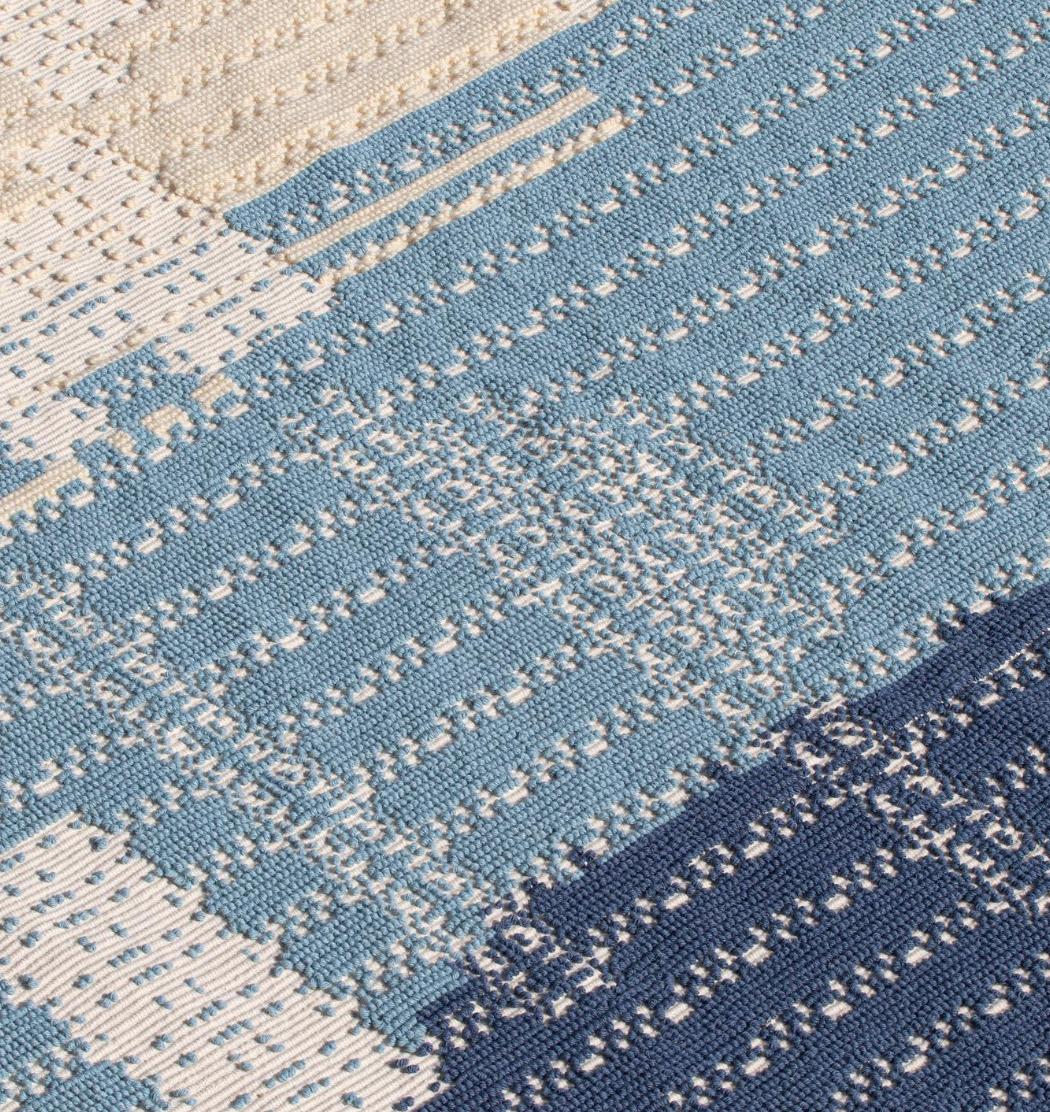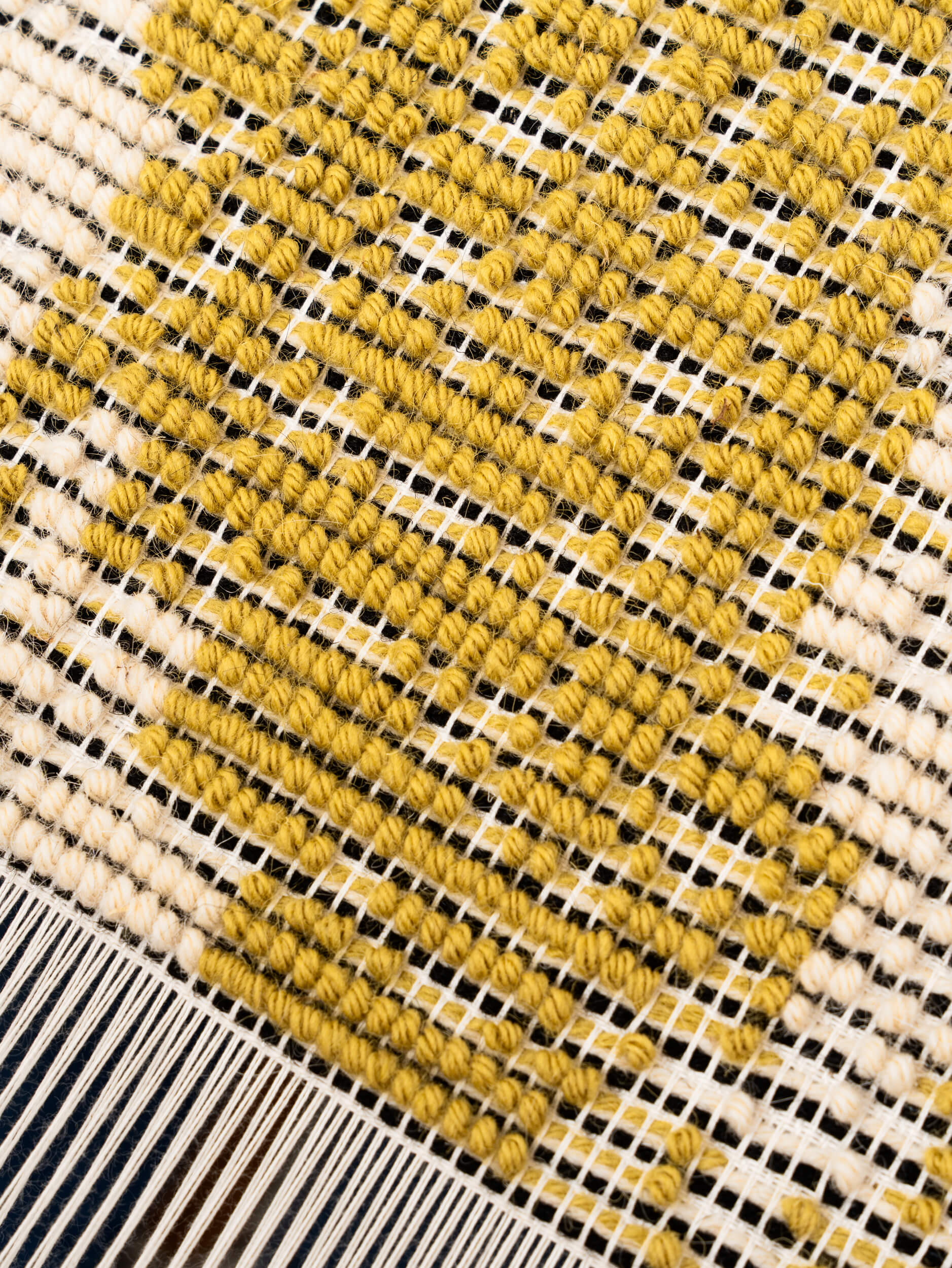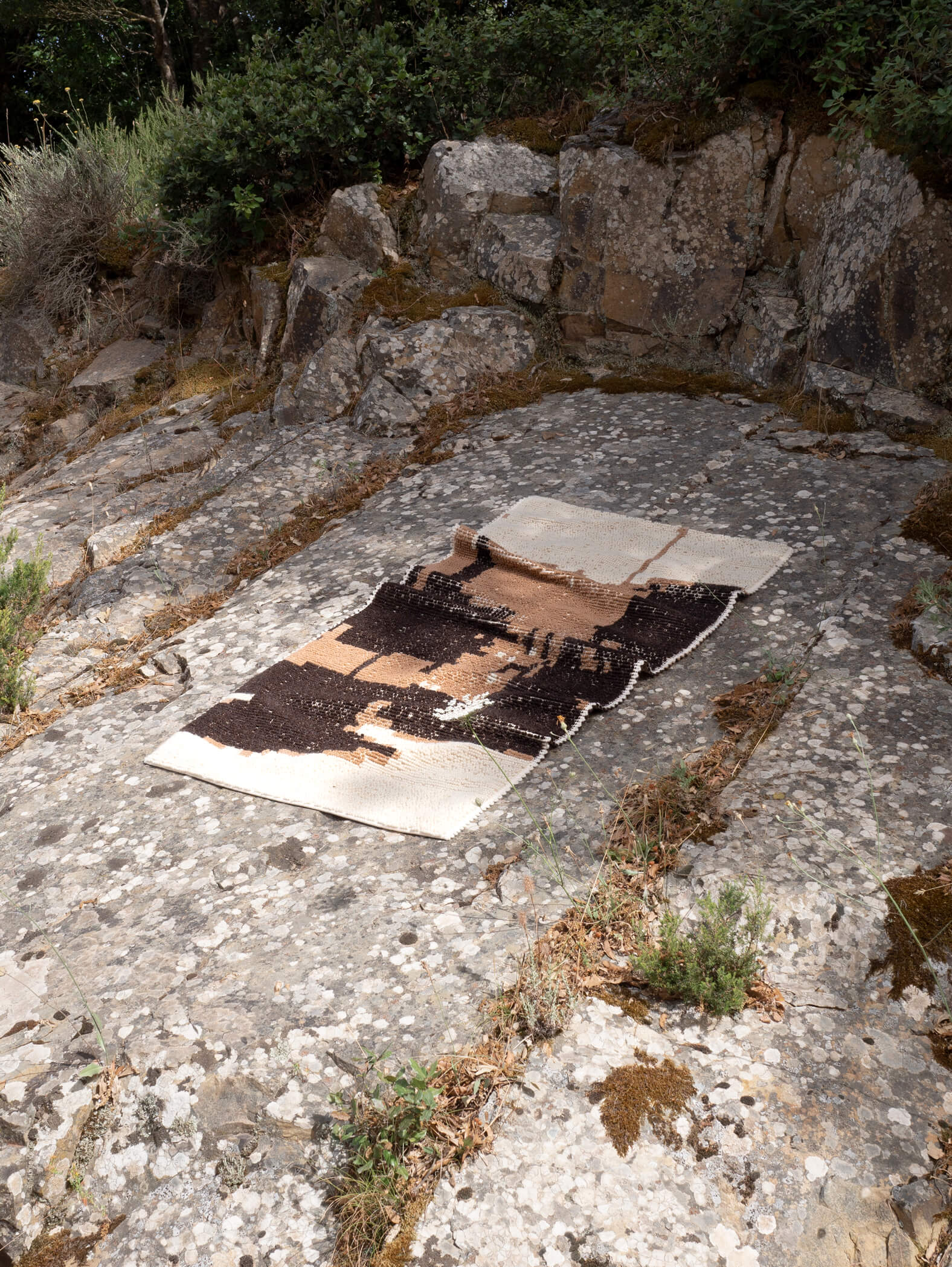
”…these war plane sounds are then translated through an algorithm, into patterns and visual codes, which are later woven into tapestries.”
Just to give a bit of context, Sardinia is the most militarized region in Italy and it hosts the two biggest European military bases.
Since the 50s, this area has been damaged, also the environment, because of the training of the armies there. This was a problem because it was altering the balance of the ecosystem.
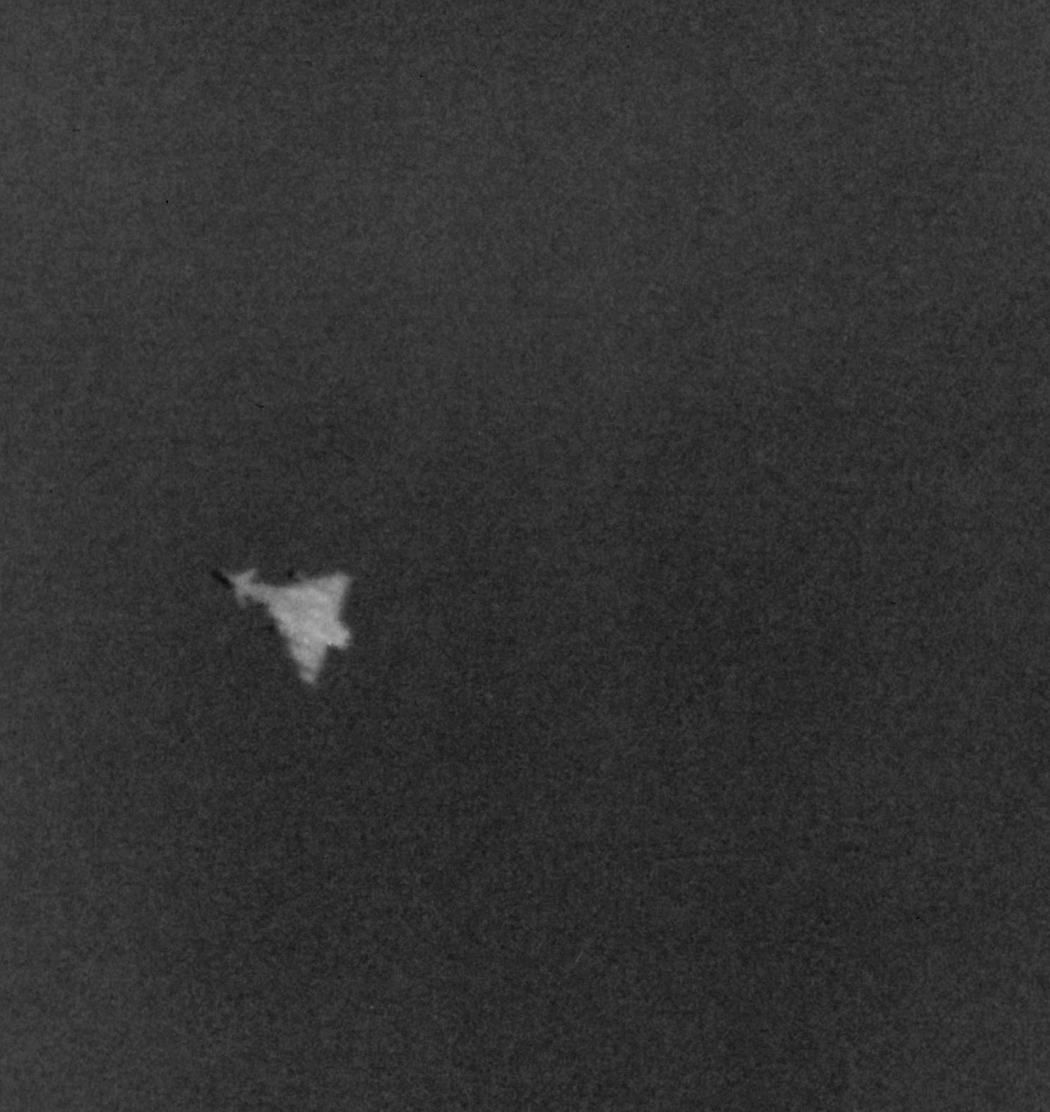
From this situation, I focused my research around a precise question, which is how can we visualize something that cannot be seen, something that is also violently protected in its invisibility? Which is a paradox, because I was using photography to try to represent this space. And if photography is not enough to represent this invisibility, I was trying to create other tools, other ways and other methodologies to try to overcome this invisibility.
I was focusing especially on the specific conditions of the military system and using all those tools to understand the limits of invisibility, inaccessibility and the impossibility of their representation.
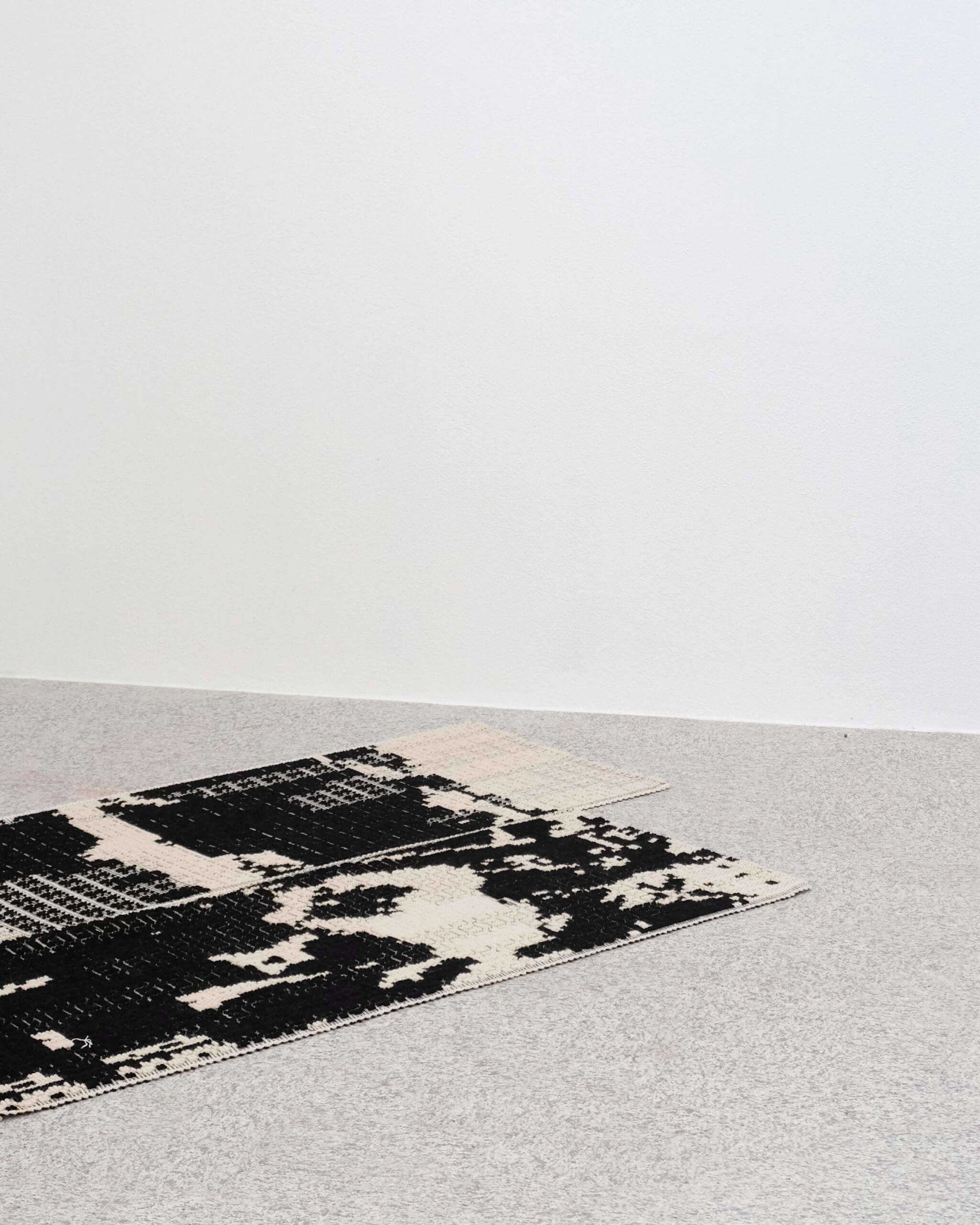
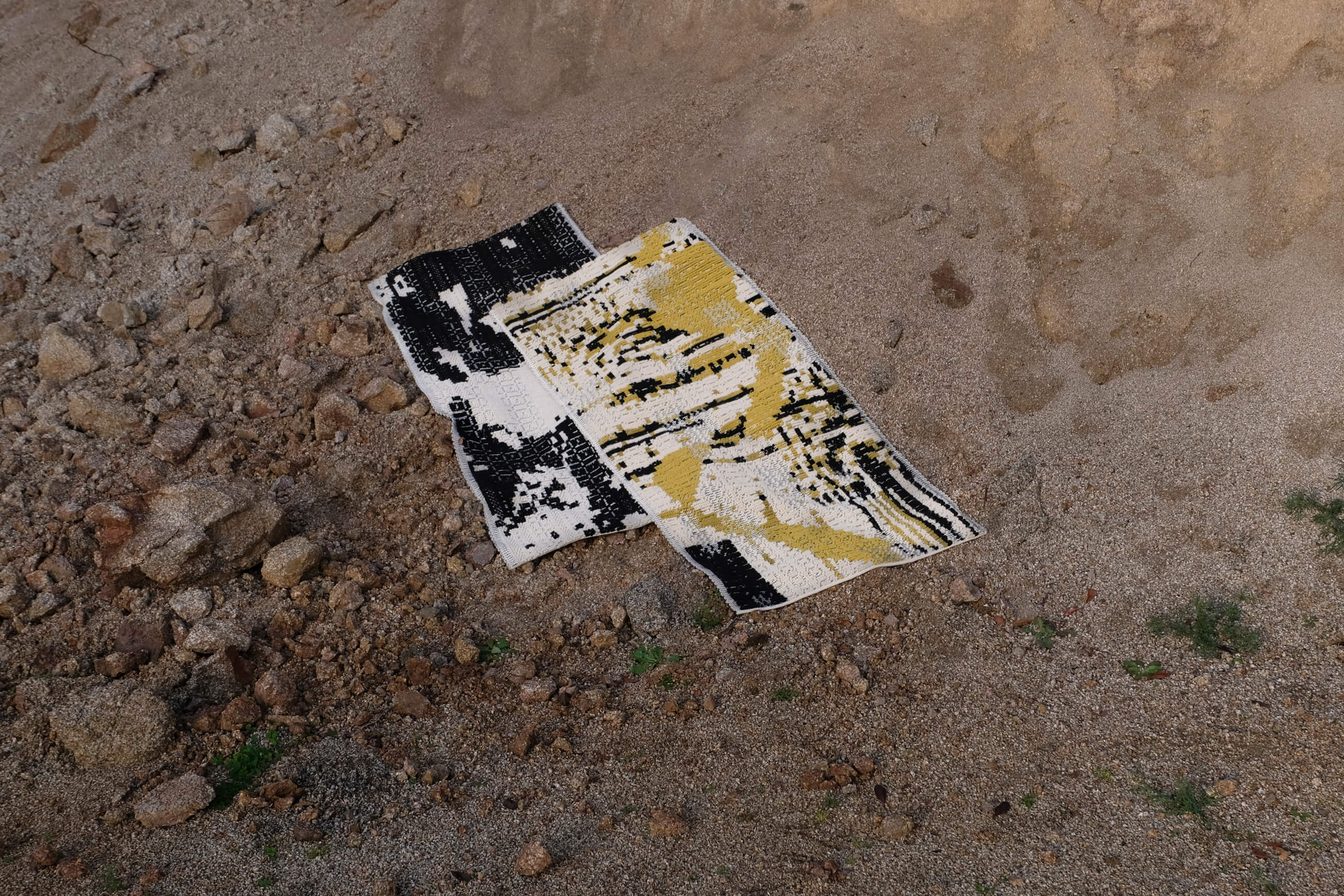
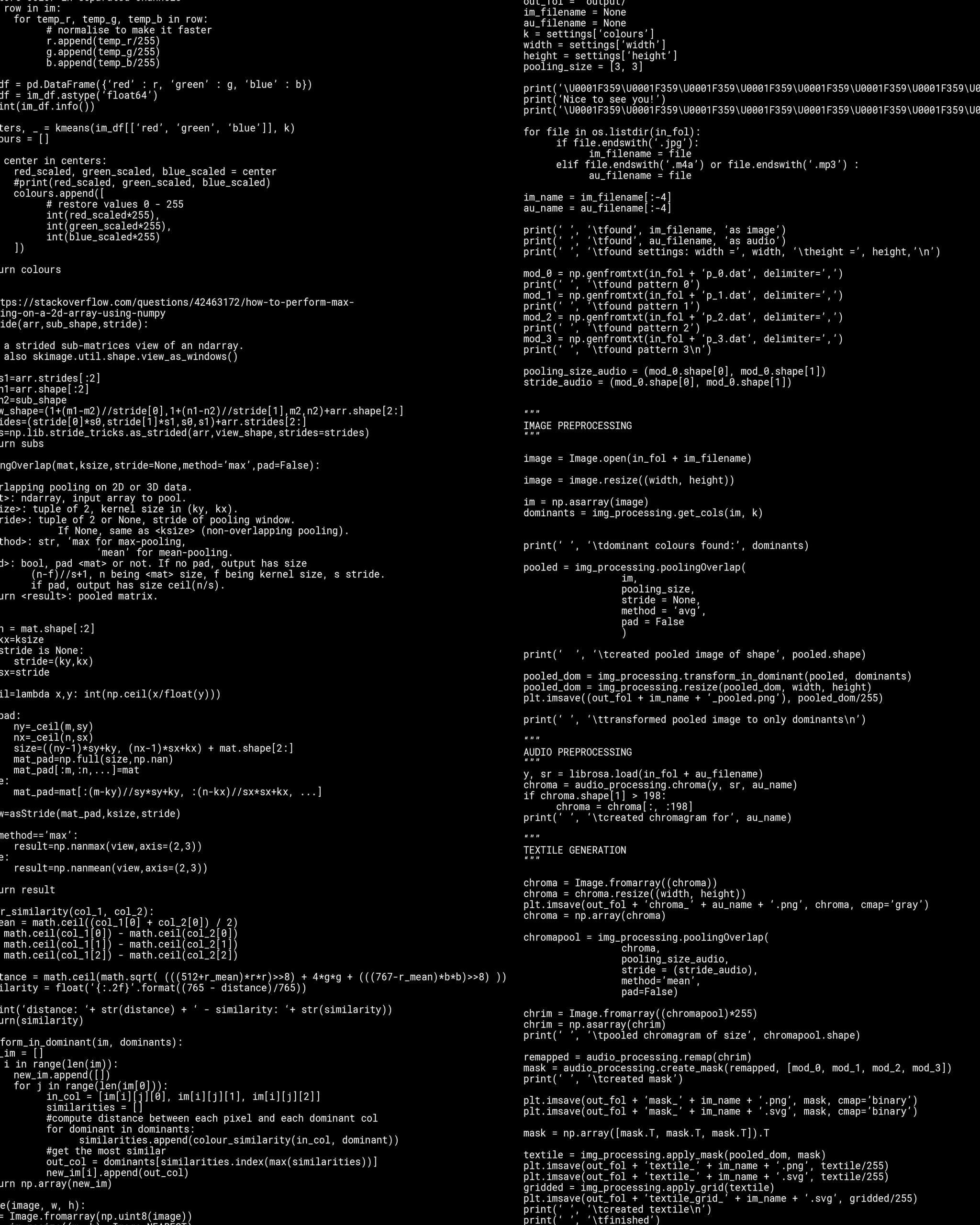
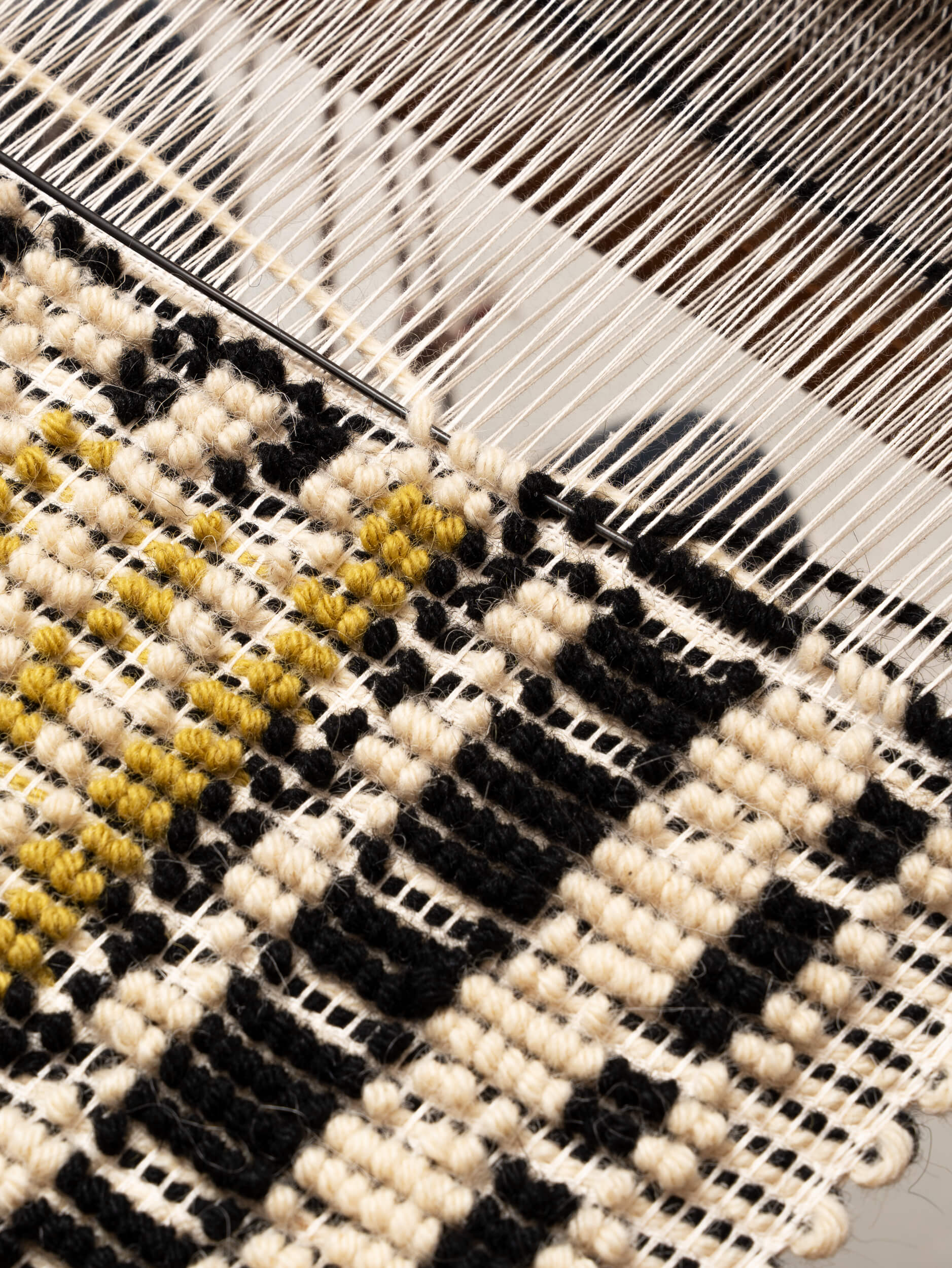
The work is a photographic work, but also textile and with a use of sound. I made a book as the first part of the research, using images taken with the infrared camera, but also analog photography and archival materials. At the same time, I started recording the sounds of the military warplanes along the borders of this invisible area. These sounds are then translated through an algorithm, into patterns and visual codes, which are later woven into tapestries.
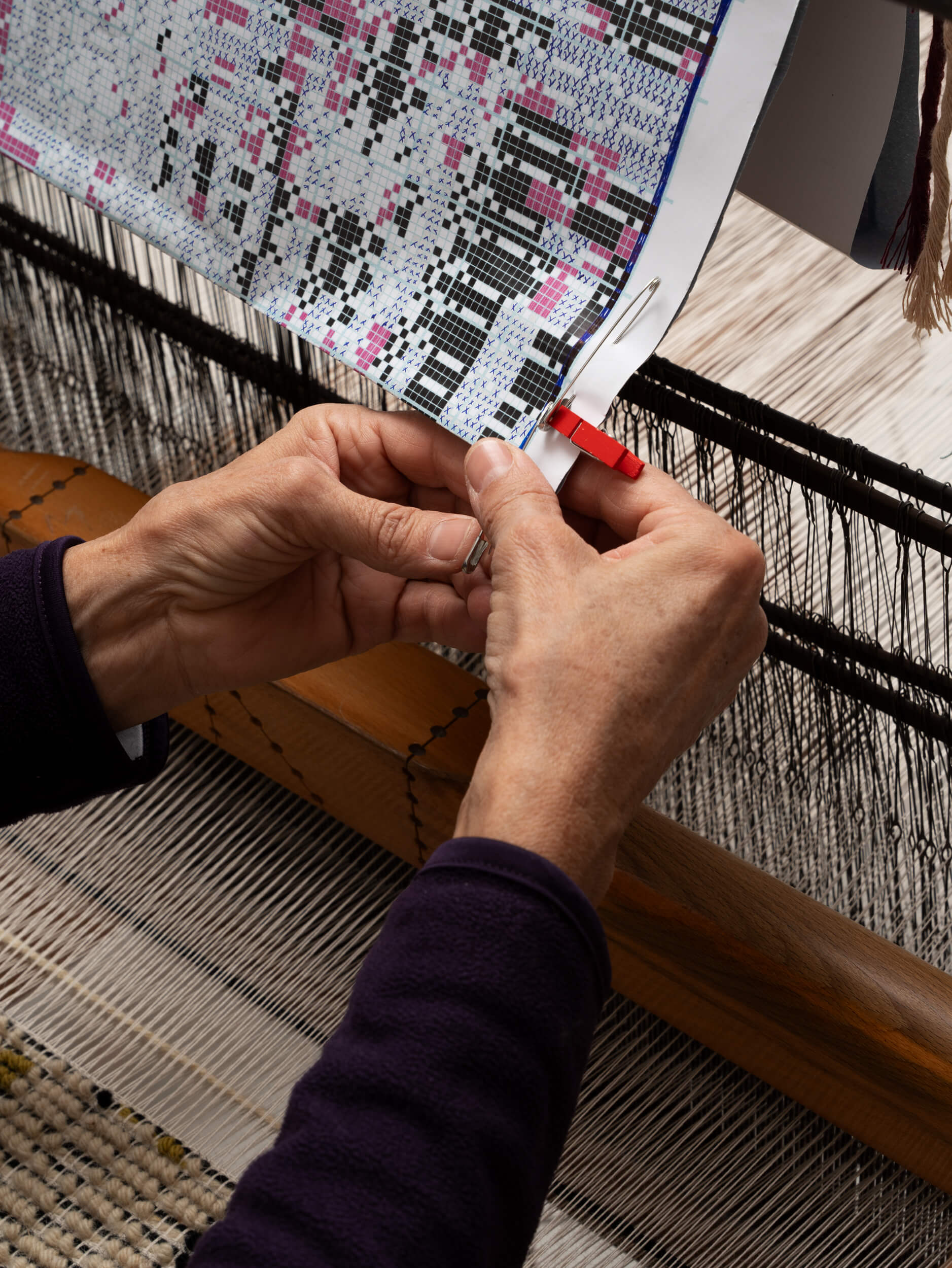
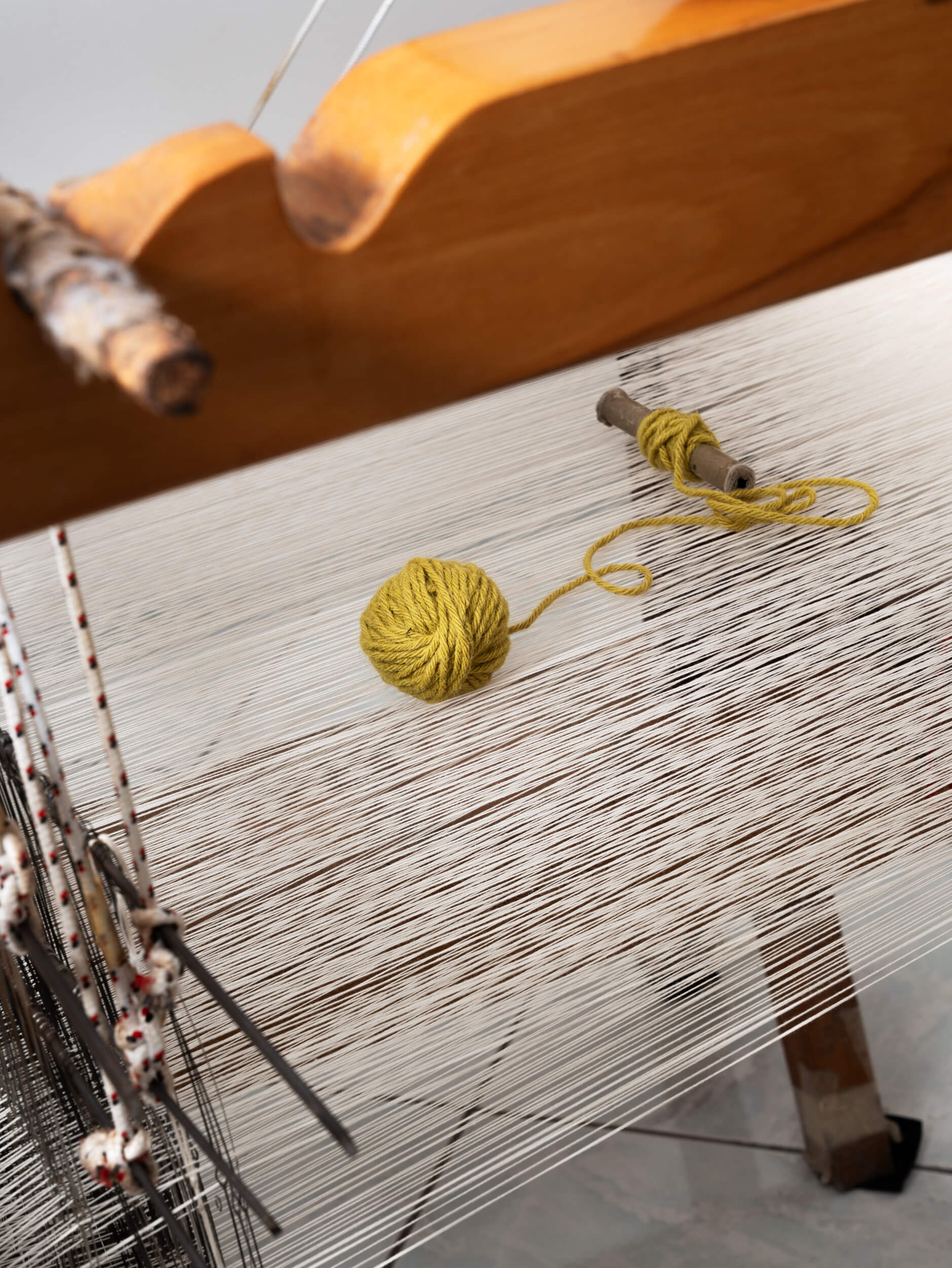
The tapestries are made by my mom and myself. We did it together. My mom is a weaver, and we have a traditional loom in our house. For me, it was interesting to use something that is a very traditional technique to say something else, not only the traditional pieces that we are used to see in Sardinia, but also a way to convey my artistic research.
The idea is to use the sound, that is the only element that you can perceive from the outside, and it's the only element that can make you understand what's happening inside, is the only element that makes you understand that inside there are pre-war exercises from NATO army.
These tapestries are abstract at the end, because they are just a translation of the sound. You cannot see the canonical visible, how we are used to represent spaces. But these abstract representation becomes the only way to symbolically represent these impossibility of representing these hidden territory. And the representation inscribed in these tapestries, generated from the sound, embodies this impossibility of fully accessing the conventional way to represent a space.
In this way, all these elements together, the linguistic representation, the visual, the sonic and the photographic, are creating the grammar of the project, to highlight the constant state of censorship of these spaces.